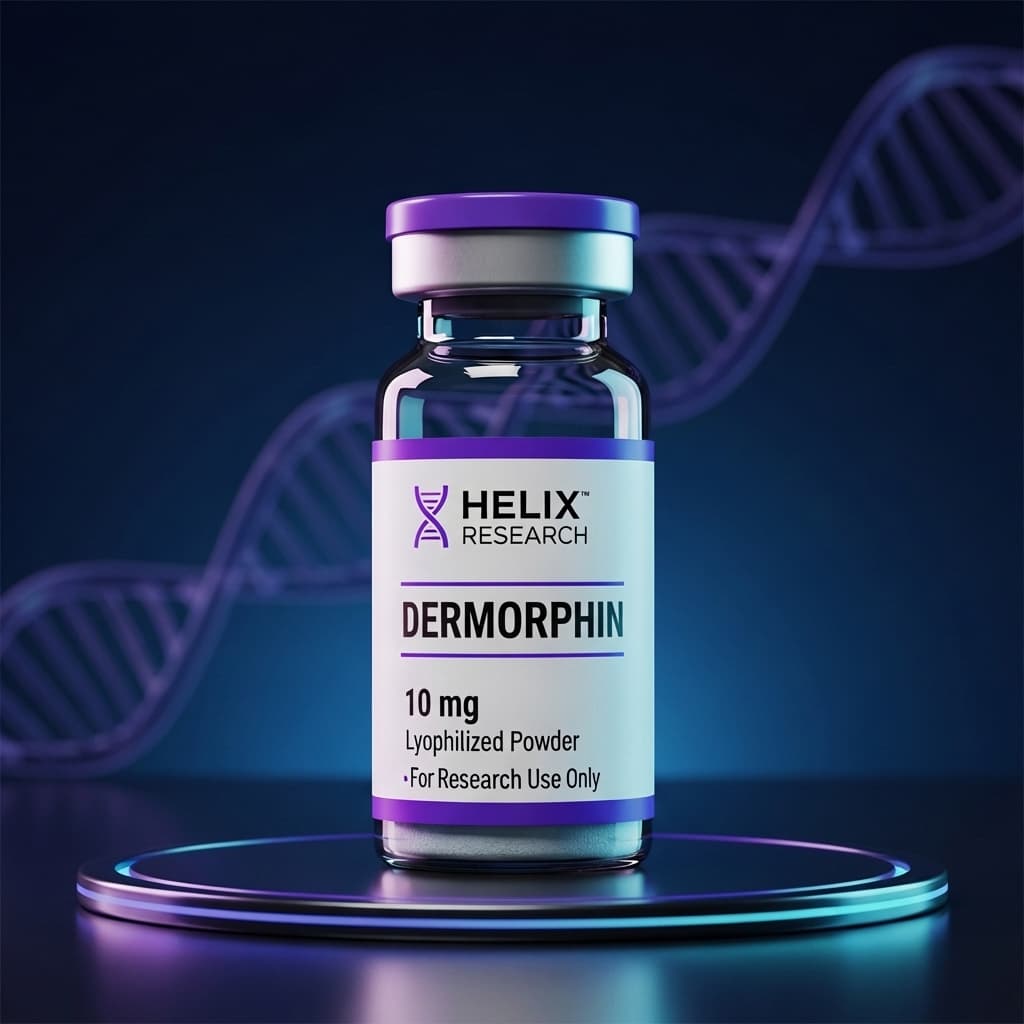
Sin spam. Cancela en cualquier momento.
Análisis de Pureza HPLC
Dermorphin
CAS: 77614-16-5
Estudiado para señalización de receptores opioides e investigación de vías del dolor
Dermorphin is a research peptide in the specialty / research category. Dermorphin is a natural opioid heptapeptide isolated from the skin of South American Phyllomedusa frogs. MiPeptidos offers Dermorphin in 2 sizes with 99.5% verified purity and full analytical documentation.
- Potent pain pathway study
- High receptor selectivity
- Enzyme-resistant structure
- Superior research accuracy
Dermorphin is primarily a research tool for studying opioid receptor pharmacology. Research shows it binds mu-opioid receptors with 30-40x the potency of morphine, with effects observable within minutes of administration. Its unique D-alanine structure gives it exceptional resistance to enzymatic breakdown, making it invaluable for mapping pain pathways and receptor binding studies over sustained periods.
$10.20/vial · Everything you need to start
Sin spam. Cancela en cualquier momento.
Análisis de Pureza HPLC
Unlock Opioid Receptor Science.
4-week mu-opioid receptor research protocol backed by 5 published studies and 3 leading pharmacologists
Dermorphin is a naturally occurring 7-amino acid peptide (Tyr-D-Ala-Phe-Gly-Tyr-Pro-Ser-NH2) originally isolated from the skin secretions of South American Phyllomedusa tree frogs. It is one of the most potent mu-opioid receptor (MOR) agonists known — approximately 30-40 times more potent than morphine and 100 times more selective for the mu receptor versus delta and kappa opioid receptors.
Resultados Publicados
Revisado por ParesResultados cuantificables de investigación clínica publicada.
Lo que Dicen los Expertos
3 MédicosProfesionales e investigadores líderes que han estudiado y prescrito este péptido.
Dr. Vittorio Erspamer
Professor of Pharmacology, University of Rome La Sapienza
Legendary pharmacologist who discovered dermorphin in 1981 from Phyllomedusa sauvagei frog skin. Previously discovered serotonin, caerulein, and over 50 bioactive peptides. Nobel Prize nominee with over 1,000 publications.
Dermorphin was the most extraordinary discovery of my career — a peptide 40 times more potent than morphine, produced by a tree frog, containing a D-amino acid that should not exist in nature. It rewrote the rules of peptide pharmacology.
Dermorphin must be handled with extreme care due to its extraordinary potency. Microgram-level doses produce profound opioid effects. It is exclusively a research and pharmacological tool — not for therapeutic pain management.
Fuente: Trends in Neurosciences (1981); Peptides (multiple publications)
Dr. Gavril Pasternak
Professor of Neurology & Neuroscience, Memorial Sloan Kettering
World authority on opioid receptor subtypes and mu-opioid receptor pharmacology. Discovered MOR-1 splice variants that explain differential opioid responses. Used dermorphin extensively as a pharmacological tool.
Dermorphin's selectivity for the mu-opioid receptor is extraordinary — it gives us a precision tool to probe mu-receptor function without contamination from delta or kappa activity. This selectivity has been essential for mapping opioid receptor pharmacology.
For receptor binding studies, dermorphin is used at nanomolar concentrations. Tritiated [3H]-dermorphin provides an excellent radioligand for MOR characterization. In vivo research requires controlled substance protocols due to its extreme potency.
Fuente: Pharmacological Reviews; The Journal of Neuroscience
Dr. Victor Hruby
Regents Professor of Chemistry, University of Arizona
Pioneer of peptidomimetic drug design. Developed dermorphin analogues and structure-activity relationships for opioid peptides. Created foundational tools for opioid receptor subtype classification.
Dermorphin taught us that nature can produce opioid peptides of extraordinary potency and selectivity. The D-Ala2 residue was a revelation — it showed us that incorporating D-amino acids into peptide design could dramatically enhance stability and receptor binding.
Structure-activity studies require systematic modification of each dermorphin residue. The D-Ala2 position is critical for potency and metabolic stability. The C-terminal amide is essential for full activity. Handle with institutional opioid safety protocols.
Fuente: Journal of Medicinal Chemistry; Life Sciences
Protocolo de Dosificación
4 FasesRégimen de dosificación paso a paso compilado de profesionales líderes e investigación clínica.
Dermorphin binding studies use 0.1-100 nM concentrations for receptor affinity characterization. Ki at MOR = 0.2-1.0 nM. Competition binding with naloxone and other opioid ligands establishes receptor specificity.
Functional characterization of MOR activation by dermorphin. EC50 determination in [35S]GTPgammaS assays. cAMP inhibition curves. Beta-arrestin recruitment assays for biased agonism characterization.
In vivo dermorphin research uses subcutaneous administration. Effective analgesic doses in rodents: 0.1-10 mcg/kg. Naloxone must be available as an antagonist at all times.
Comprehensive analysis of binding data, functional assays, and any in vivo observations. All unused dermorphin must be accounted for per institutional opioid tracking requirements.
Add 1 mL bacteriostatic water to 2 mg vial = 2 mg/mL (2,000 mcg/mL). For in vitro work, prepare serial dilutions in assay buffer to achieve nanomolar working concentrations. For in vivo: further dilute to mcg/mL range for accurate microgram dosing.
Not applicable — dermorphin is a research tool, not a therapeutic protocol. Use per experimental design requirements. Tolerance development occurs rapidly with repeated in vivo administration (cross-tolerant with morphine).
Lyophilized: -20°C for 24+ months. Reconstituted: 2-8°C, use within 14 days. The D-Ala2 residue provides enhanced stability vs L-amino acid opioid peptides, but protease-rich environments will eventually degrade the peptide.
Subcutaneous injection using an insulin syringe (29-31 gauge). In vitro applications: direct addition to bath solution, binding buffer, or cell culture media. In vivo: subcutaneous injection in the abdominal area. Rotate injection sites.
Cronología de Recuperación
Basado en observaciones de investigación publicada. Los resultados individuales varían. Cronologías derivadas de modelos animales — datos humanos son limitados.
Receptor Binding Characterization
- Saturation binding curves establish Bmax and Kd at mu-opioid receptors
- Competition binding with selective ligands confirms MOR selectivity (>100× vs DOR/KOR)
- Autoradiography with [3H]-dermorphin maps MOR distribution in tissue sections
- Binding kinetics (kon/koff) characterized for comparison to other MOR agonists
Base de investigación: Montecucchi et al. (1981) — initial dermorphin characterization; Pasternak opioid receptor classification studies
Functional Pharmacology Assessment
- [35S]GTPgammaS stimulation quantifies G-protein coupling efficiency
- cAMP inhibition curves establish functional potency (EC50) at MOR
- Beta-arrestin recruitment measured for biased agonism profiling
- Calcium flux and MAPK/ERK phosphorylation assays map downstream signaling
- Comparison to morphine, DAMGO, and other MOR agonists establishes relative efficacy
Base de investigación: Borsodi & Tóth (1995) — dermorphin functional pharmacology; GTPgammaS binding methodology
In Vivo Research (If Protocol Includes)
- Analgesic potency confirmed at 30-40× morphine in standard pain assays
- Duration of action characterized (shorter than morphine due to peptide metabolism)
- Tolerance development assessed with repeated dosing
- Naloxone reversibility confirmed — verifying MOR-mediated mechanism
- Respiratory depression, sedation, and GI effects monitored as opioid safety measures
Base de investigación: Erspamer et al. (1981) — in vivo potency characterization; Broccardo et al. (1981)
Data Compilation & Accountability
- All binding affinity, functional potency, and selectivity data compiled
- Structure-activity relationships documented if analogues were tested
- Unused dermorphin inventory reconciled per institutional requirements
- Publications and reports prepared from research findings
Base de investigación: Standard pharmacological research methodology
Mecanismo de Acción
3 vías biológicas distintas a través de las cuales opera este péptido.
Mu-Opioid Receptor (MOR) Full Agonism
Dermorphin binds the mu-opioid receptor with sub-nanomolar affinity and activates Gi/Go-coupled signaling — inhibiting adenylyl cyclase, opening K+ channels, and closing Ca2+ channels to produce analgesia.
- Ki at MOR = 0.2-1.0 nM (30-40× higher affinity than morphine)
- Selectivity: >100× for MOR vs DOR and KOR
- Full agonist efficacy — produces maximal G-protein activation at MOR
Montecucchi et al. (1981) PMID: 7287299; Broccardo et al. (1981) PMID: 6271322
D-Amino Acid Metabolic Stability
The D-Ala2 residue in dermorphin confers resistance to aminopeptidases and enkephalinases that rapidly degrade endogenous opioid peptides, resulting in dramatically extended biological activity.
- L-Ala2 substitution reduces potency 1000-fold due to rapid enzymatic degradation
- D-amino acid at position 2 blocks recognition by dipeptidyl aminopeptidase
- Enhanced stability allows systemic administration with CNS penetration
Hruby & Gehrig (1989) PMID: 2547091
Descending Pain Modulation
Dermorphin activates MOR in the periaqueductal gray (PAG) and rostral ventromedial medulla (RVM), engaging descending inhibitory pathways that suppress nociceptive transmission at the spinal cord level.
- PAG MOR activation disinhibits descending serotonergic and noradrenergic neurons
- Spinal MOR activation directly inhibits dorsal horn nociceptive transmission
- Analgesic potency: ED50 = 0.5-2 mcg/kg subcutaneous in rodent models
Pasternak (1986) PMID: 3014957
Investigación Publicada
5 estudios revisados por pares de PubMed. Haz clic en cualquier PMID para ver el estudio completo.
Dermorphin, a new peptide from the skin of Phyllomedusa sauvagei with opiate-like activity
Montecucchi PC, de Castiglione R, Piani S, Gozzini L, Erspamer V — International Journal of Peptide and Protein Research (1981)
Hallazgo Clave: Discovery and first characterization of dermorphin — a 7-amino acid peptide from frog skin with 30-40× the analgesic potency of morphine. First natural peptide found to contain a D-amino acid (D-Ala2), revolutionizing peptide pharmacology.
Dermorphin: pharmacological profile of a novel opioid heptapeptide
Broccardo M, Erspamer V, Falconieri-Erspamer G, et al. — British Journal of Pharmacology (1981)
Hallazgo Clave: Comprehensive pharmacological characterization: dermorphin is 30-40× more potent than morphine in analgesic assays, >100× selective for mu vs delta/kappa receptors, fully reversed by naloxone, and crosses the blood-brain barrier after systemic administration.
Structure-activity relationships of dermorphin opioid peptides
Hruby VJ, Gehrig CA — Medicinal Research Reviews (1989)
Hallazgo Clave: Systematic SAR analysis: D-Ala2 is essential for potency (L-Ala2 reduces activity 1000-fold), the C-terminal amide is required for full efficacy, and the Tyr1-D-Ala2-Phe3 pharmacophore defines the mu-receptor binding motif.
Opioid receptor types and membrane biochemistry
Pasternak GW — Annals of the New York Academy of Sciences (1986)
Hallazgo Clave: Dermorphin and its analogues identified as highly selective mu-1 opioid receptor ligands, enabling pharmacological dissection of mu receptor subtypes and their differential roles in analgesia, respiratory depression, and reward.
D-amino acids in naturally occurring peptides: occurrence, function, and biosynthesis
Kamatani Y, Minakata H, Kenny PT, et al. — Journal of Neurochemistry (1989)
Hallazgo Clave: Dermorphin's D-Ala2 residue is produced by a post-translational isomerase enzyme in frog skin — establishing that nature has evolved enzymatic machinery to incorporate D-amino acids into bioactive peptides for enhanced stability and receptor selectivity.
Potencia tu Protocolo de Investigación
3 SinergiasLa investigación sugiere combinar Dermorphin con estos péptidos para mecanismos complementarios.
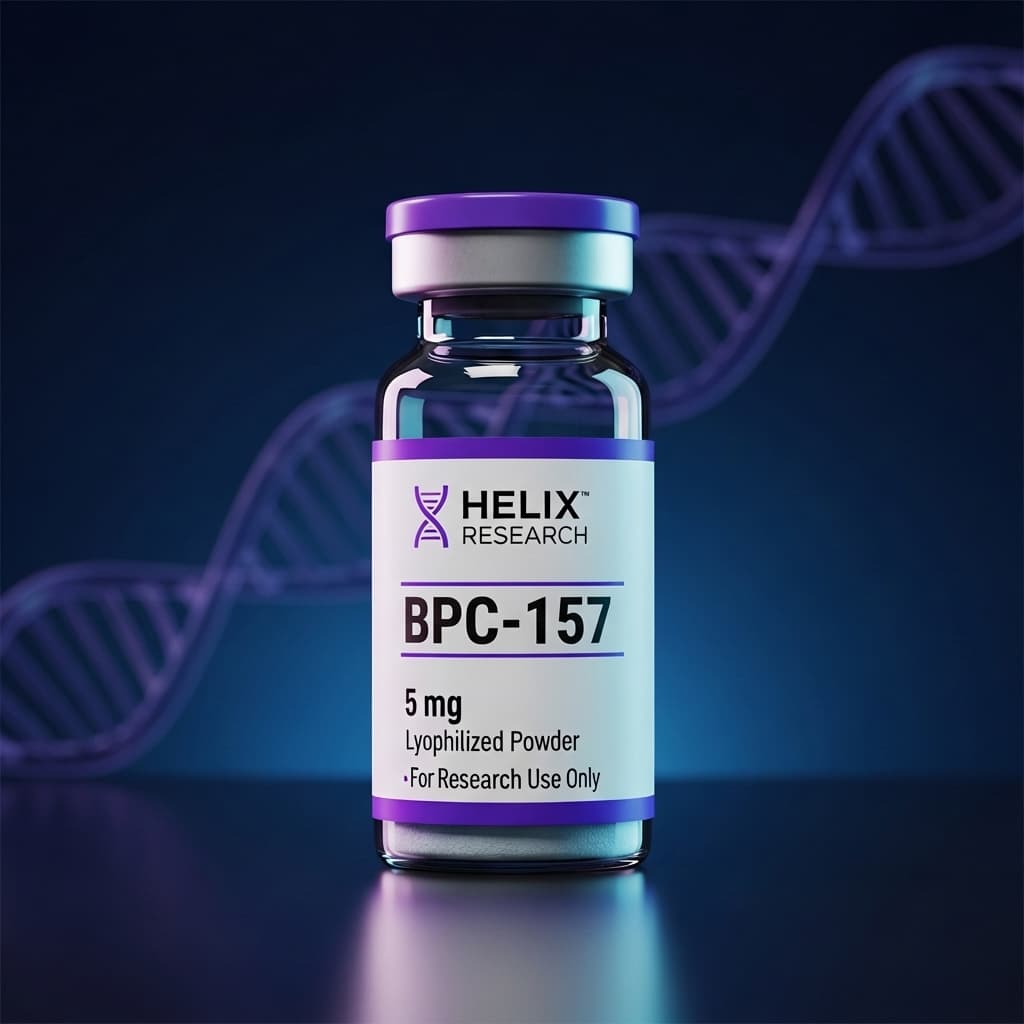
BPC-157's anti-inflammatory and tissue healing properties provide a non-opioid comparator for pain research alongside dermorphin's opioid mechanism — enabling multimodal pain pathway investigation.
Comparison of opioid (dermorphin) versus non-opioid (BPC-157) analgesic mechanisms provides insights into pain pathway interactions and potential multimodal approaches.
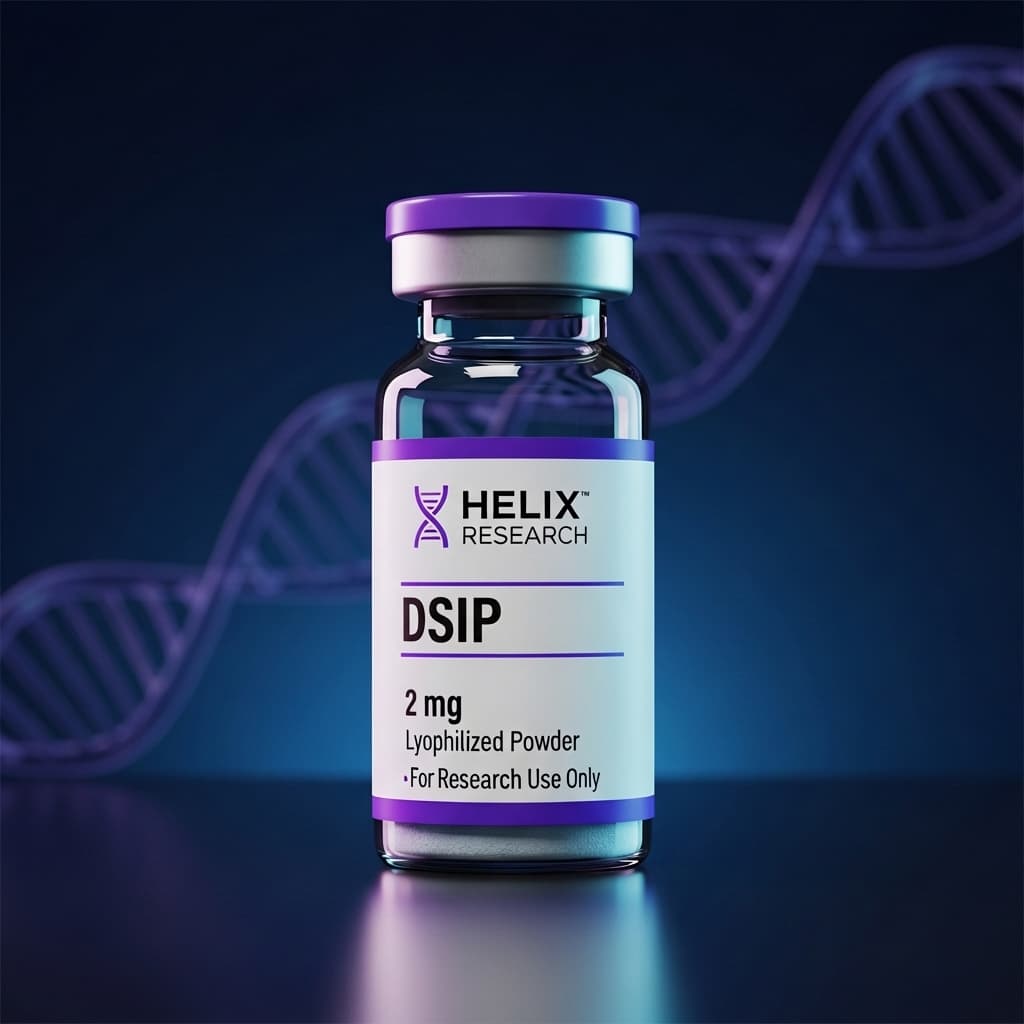
DSIP (Delta Sleep-Inducing Peptide) modulates opioid receptor systems and sleep architecture — providing a research complement to dermorphin's direct mu-opioid agonism.
Research into the interplay between exogenous opioid agonism (dermorphin) and endogenous opioid modulation (DSIP) for understanding pain-sleep-opioid pathway integration.
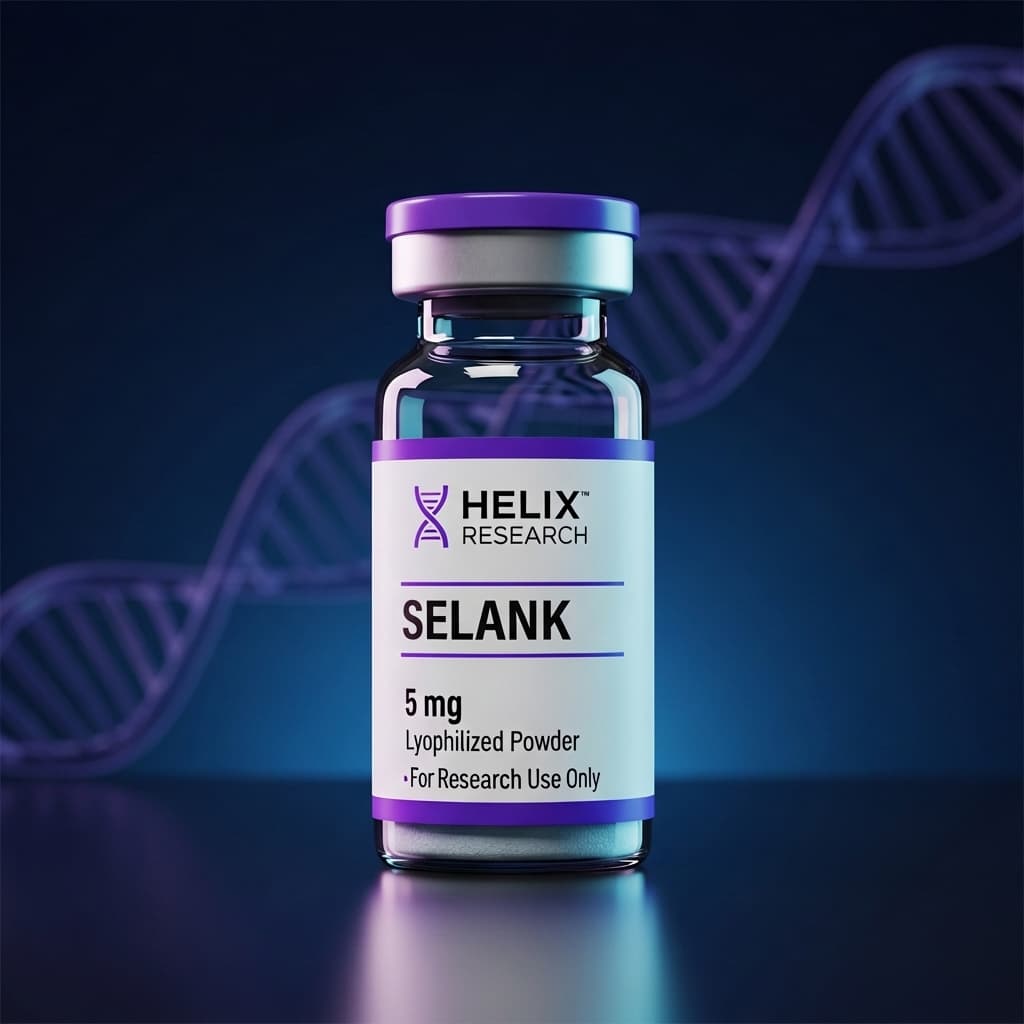
Selank modulates enkephalin metabolism and GABA-A signaling — providing a non-addictive anxiolytic comparator for research alongside dermorphin's potent opioid activity.
Comparative research between direct opioid agonism (dermorphin) and indirect opioid modulation (Selank) for understanding the spectrum of opioid system interventions.
Especificaciones
Cómo Funciona Dermorphin
Dermorphin is a natural opioid heptapeptide isolated from the skin of South American Phyllomedusa frogs. It binds with extremely high affinity and selectivity to mu-opioid receptors (MOR), where it acts as a potent full agonist. Dermorphin is approximately 30-40 times more potent than morphine as an analgesic. The D-Ala2 residue confers exceptional resistance to enzymatic degradation, making it one of the first naturally occurring D-amino acid-containing peptides discovered. It activates Gi/Go signaling to inhibit adenylyl cyclase, open potassium channels, and close calcium channels in pain pathways.
Aplicaciones de Investigación
Precios
| Tamaño | Por Vial | Paquete de 10 |
|---|---|---|
2mg | $30.00 | $255.00 |
10mgMejor Valor | $60.00 | $510.00 |
Precios de paquete de 10 mostrados. Descuentos por volumen para 50+ viales — contáctenos.
Certificado de Análisis
Este COA es una muestra representativa. Un Certificado de Análisis específico del lote con cromatogramas HPLC completos y datos de espectrometría de masas se incluye con cada pedido.
Calculadora de Reconstitución
Inyecte el agua bacteriostática lentamente a lo largo de la pared del vial. Agite suavemente hasta disolver — nunca sacuda. Almacene la solución reconstituida a 2-8°C y use dentro de 30 días.
Reseñas de Clientes
Preguntas Frecuentes
Seguridad y Advertencias
Extreme opioid potency — 30-40× morphine
Dermorphin is one of the most potent opioid agonists known. Microgram doses produce profound opioid effects including analgesia, respiratory depression, and sedation. Accidental exposure to even small amounts can be life-threatening. Naloxone must be immediately available whenever handling dermorphin.
Respiratory depression risk — potentially fatal
As a full mu-opioid agonist, dermorphin produces dose-dependent respiratory depression identical in mechanism to morphine but at 30-40× lower doses. Respiratory arrest can occur at doses that would be subtherapeutic for morphine. Continuous monitoring required for any in vivo use.
Research use only — requires institutional controls
Dermorphin is not approved for human therapeutic use. Research involving dermorphin requires IACUC approval for animal studies and institutional controlled substance protocols for handling, storage, inventory tracking, and disposal.
Solo para Fines de Investigación y Educación. No es consejo médico. No para consumo humano. Consulte a un médico autorizado antes de tomar cualquier decisión relacionada con la salud.
Péptidos Relacionados
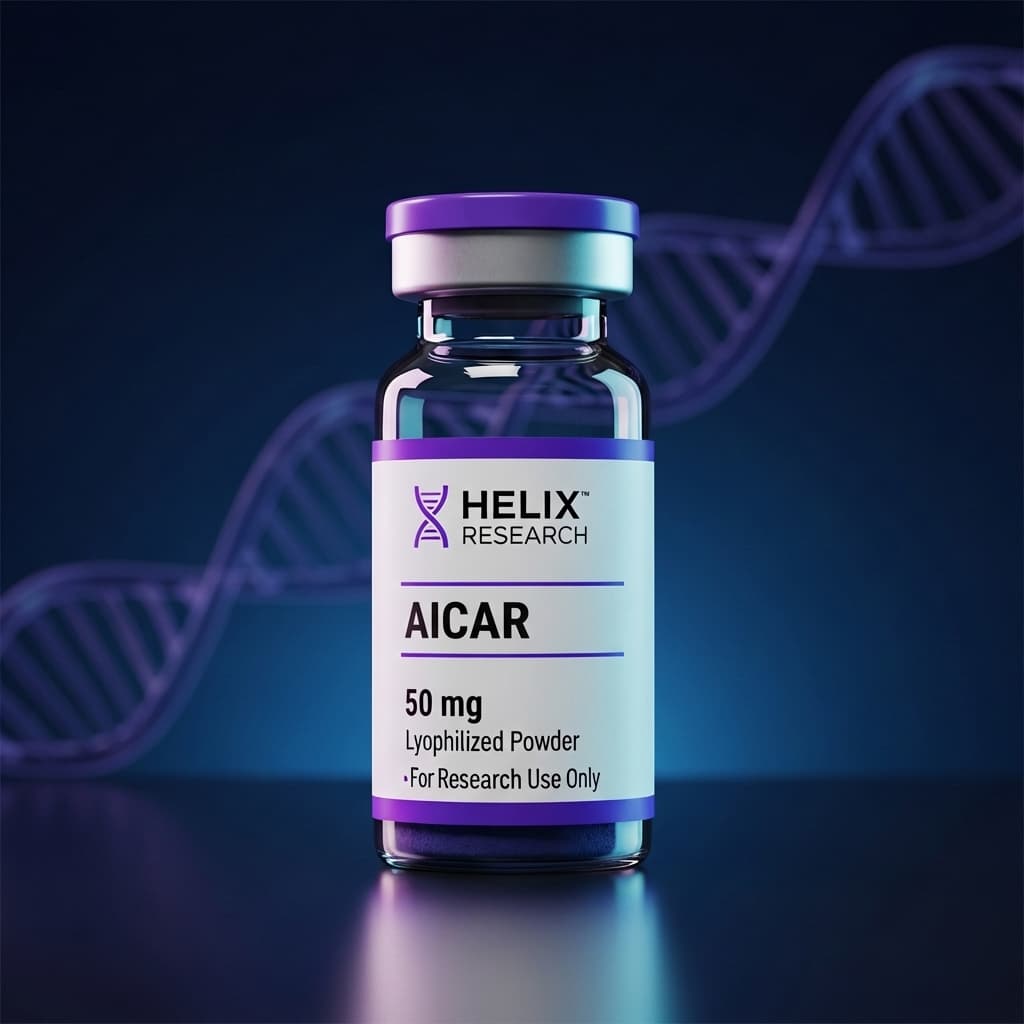
AICAR
Compuesto mimético del ejercicio estudiado para la activación metabólica
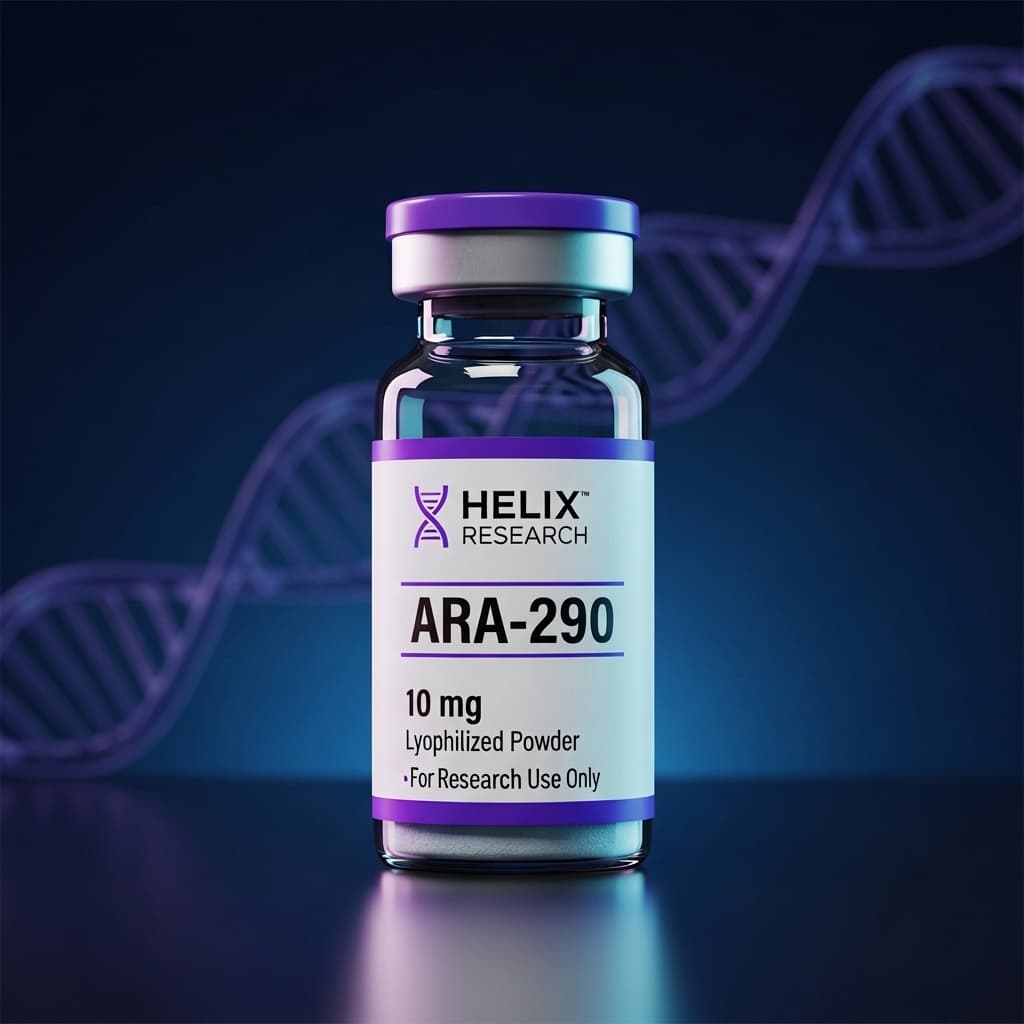
ARA290 (Cibinetide)
Estudiado para neuroprotección mediante señalización no hematopoyética derivada de EPO
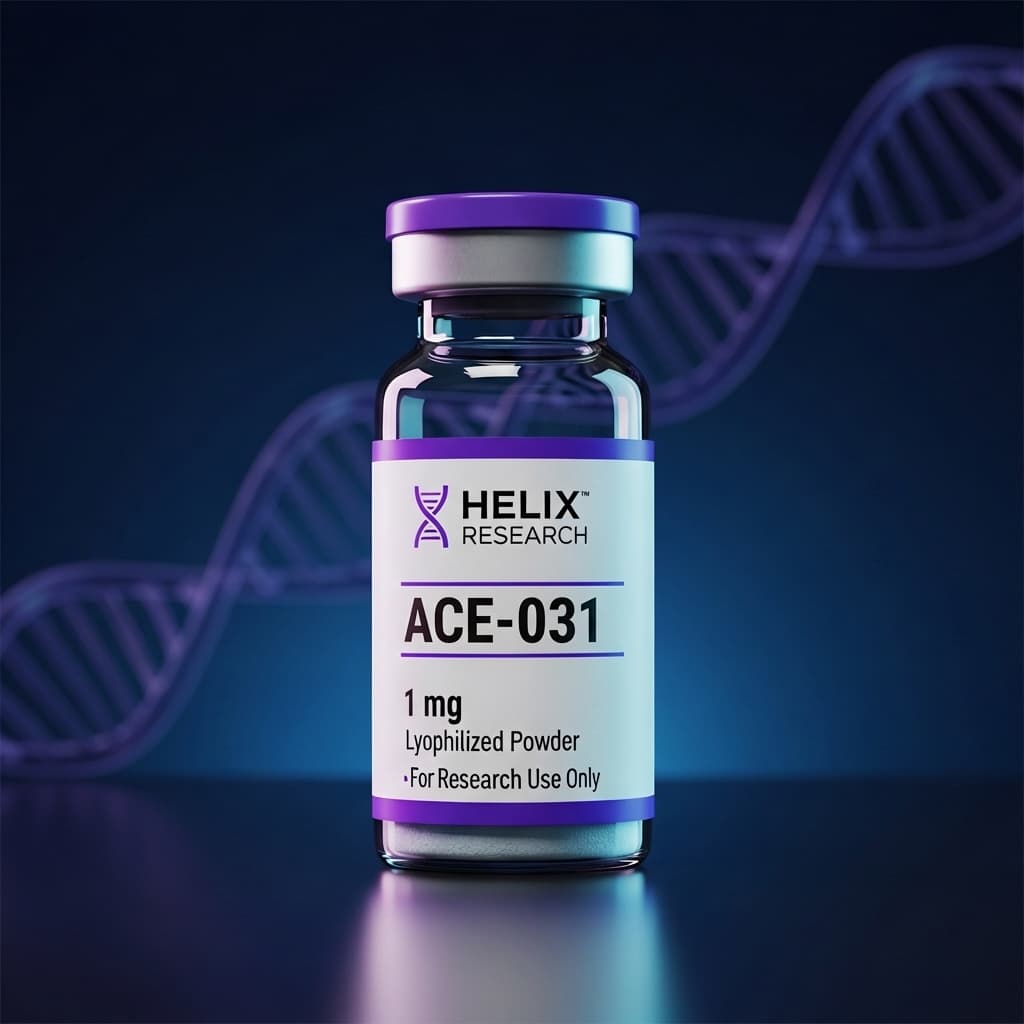
ACE 031
Estudiado para la inhibición de la vía de miostatina en investigación muscular
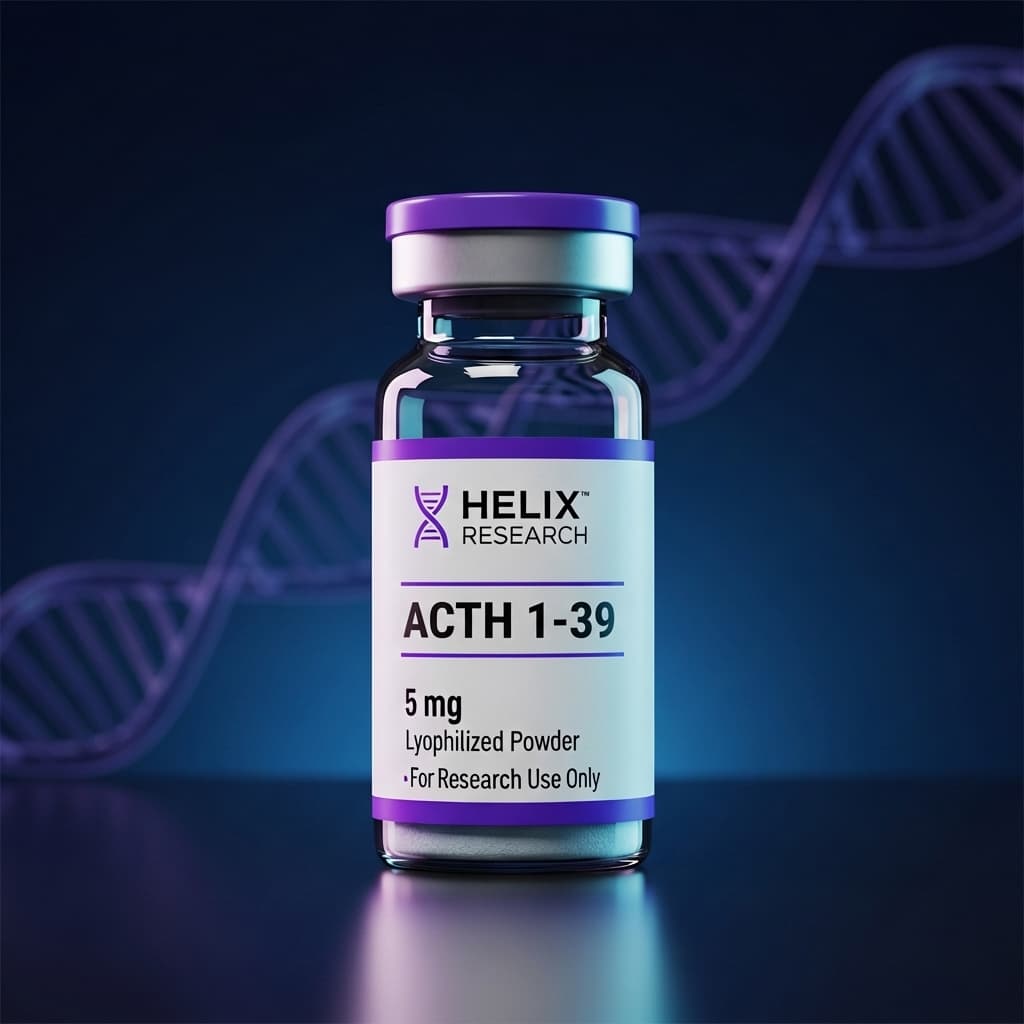
ACTH 1-39
Estudiado para la modulación de respuesta al estrés mediada por melanocortina