Sin spam. Cancela en cualquier momento.
Pureza por lote, justo donde los investigadores la buscan.
Cada compuesto incluido muestra su resultado HPLC, referencia de lote y fecha de prueba para que el research brief esté respaldado por evidencia analítica real.
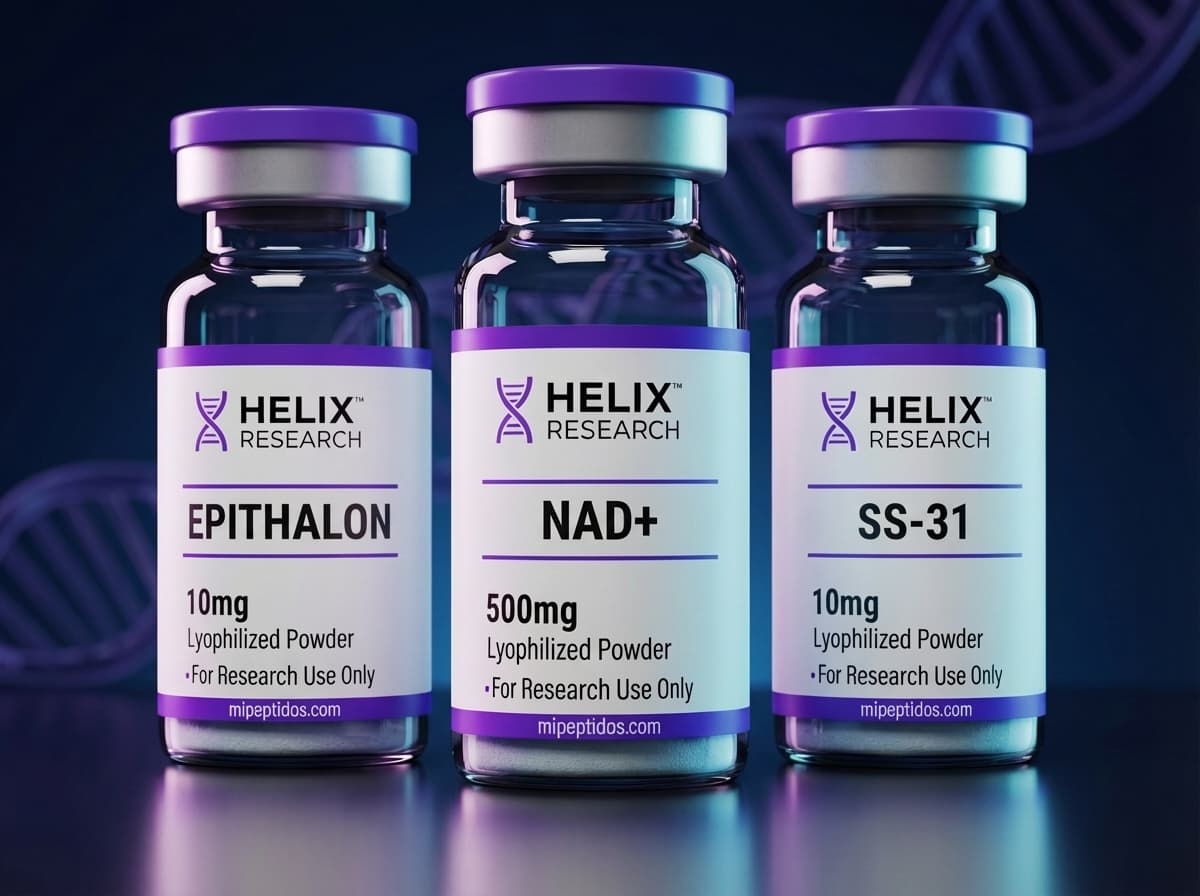
Epithalon
Pureza (HPLC)
NAD+
Pureza (HPLC)
MOTS-c
Pureza (HPLC)
SS-31
Pureza (HPLC)
Cellular Aging Mechanisms Kit
Brings together four compounds that map to major aging-related research themes
Un kit de investigación de cuatro compuestos que abarca los principales mecanismos de envejecimiento descritos en la literatura publicada.
Solo para Uso en Investigación. Estos kits están destinados únicamente para fines de investigación en laboratorio. No para consumo humano. Los resúmenes públicos reflejan literatura publicada y documentación analítica, no instrucciones de uso humano ni claims terapéuticos.
Construido desde investigación publicada, no desde suposiciones.
Cada kit público ahora abre con la prueba: estudios citados, PMIDs, señales rastreadas y documentación por lote en cada componente.
Mediciones, marcadores y lecturas comunes asociadas con esta línea de investigación en la literatura publicada.
Qué hay dentro del kit, a nivel estructural
Detalles químicos clave tomados de cada compuesto incluido para que la página se sienta como un perfil de investigación real, no como una tarjeta genérica de bundle.
Epithalon
CAS: 307297-39-8Epithalon is a synthetic tetrapeptide based on the natural epithalamin produced by the pineal gland. It activates telomerase (hTERT), the enzyme responsible for adding telomeric repeats to chromosome ends, thereby extending telomere length and increasing cellular replicative capacity. It also stimulates melatonin production from the pineal gland, restoring circadian rhythm function that declines with age. Additionally, it modulates antioxidant enzyme expression and has been shown to extend lifespan in animal models.
NAD+
CAS: 53-84-9NAD+ is an essential coenzyme present in all living cells that serves as an electron carrier in metabolic redox reactions (glycolysis, TCA cycle, oxidative phosphorylation) and as a substrate for NAD+-consuming enzymes including sirtuins (SIRT1-7), PARPs, and CD38. Sirtuins are NAD+-dependent deacetylases that regulate DNA repair, mitochondrial biogenesis, inflammation, and stress resistance. NAD+ levels decline with age, and restoring NAD+ activates these protective pathways, enhancing cellular energy production, DNA repair capacity, and stress resilience.
MOTS-c
CAS: 1627580-64-6MOTS-c is a mitochondrial-derived peptide encoded by the 12S rRNA gene (MT-RNR1) that acts as a retrograde signaling molecule from mitochondria to the nucleus. It activates AMPK, enhancing glucose uptake and fatty acid oxidation in skeletal muscle. MOTS-c regulates the folate cycle and de novo purine biosynthesis, leading to AICAR accumulation and subsequent AMPK activation. It translocates to the nucleus under metabolic stress to regulate adaptive gene expression, functioning as an exercise mimetic at the molecular level.
SS-31
CAS: 736992-21-5SS-31 is a cell-permeable, mitochondria-targeted tetrapeptide that concentrates ~1000-fold in the inner mitochondrial membrane by binding to cardiolipin, a phospholipid unique to this membrane. By stabilizing cardiolipin's interaction with cytochrome c, SS-31 optimizes electron transport chain efficiency, reduces electron leak, and decreases mitochondrial reactive oxygen species (ROS) production. It does not act as a traditional antioxidant scavenger but rather prevents ROS formation at the source by maintaining proper mitochondrial function.
Parámetros de estudio publicados
Rangos de dosis, intervalos y rutas de administración citados típicamente en la literatura para los compuestos de este kit.
Epithalon follows a 10-day on / 20-day off cycle. NAD+ is dosed continuously. MOTS-c and SS-31 can be dosed 3-5x per week. Research literature supports consistent long-term use with periodic Epithalon cycling for sustained telomerase-related outcomes.
Epithalon
MorningNAD+
MorningMOTS-c
Morning (pre-exercise in MOTS-c studies)SS-31
MorningEstos son parámetros de estudio resumidos a partir de literatura citada y diseños de investigación. Se presentan solo como contexto de investigación, no como instrucciones ni recomendaciones de uso humano.
Investigación Publicada
Papers revisados por pares que respaldan los compuestos y la lógica de combinación de este kit.
Epithalon peptide induces telomerase activity and telomere elongation in human somatic cells
Khavinson VK, Bondarev IE, Butyugov AA
Published data demonstrated Epithalon activated telomerase in human pulmonary fibroblasts and induced telomere elongation, with cells gaining 2.4 additional population doublings.
PMID: 12937682
NAD+ metabolism and its roles in cellular processes during ageing
Covarrubias AJ, Perrone R, Grozio A, Verdin E
In peer-reviewed research, NAD+ was established as a critical regulator of sirtuin function, PARP-mediated DNA repair, and CD38 immune signaling, with age-related decline contributing to multiple hallmarks of aging.
PMID: 33353981
MOTS-c is an exercise-induced mitochondrial-encoded regulator of age-dependent physical decline and muscle homeostasis
Reynolds JC, Lai RW, Woodhead JST, et al.
Literature demonstrates MOTS-c functions as an exercise-mimetic mitochondrial peptide, with published data showing AMPK activation and improved physical performance in aging models.
PMID: 33397941
Mitochondria-targeted peptide SS-31 prevents mitochondrial depolarization, reduces islet cell apoptosis, and improves posttransplant function
Thomas DA, Stauffer C, Zhao K, et al.
Published studies observed SS-31 selectively concentrated in the inner mitochondrial membrane, reducing ROS production by 50% and preventing mitochondrial depolarization in published cell studies.
PMID: 17475822
Lo que suelen seguir los investigadores
Mediciones, marcadores y lecturas comunes asociadas con esta línea de investigación en la literatura publicada.
Lo observado en la literatura
Una vista en lenguaje claro de cómo suelen desarrollarse las ventanas de estudio, los marcadores y los cambios reportados dentro de esta línea de investigación.
Pathway Activation & Baseline Engagement
Sirtuin Activation & Mitochondrial Priming
AMPK Signaling & Metabolic Optimization
Telomere Maintenance & DNA Repair
Mitochondrial Biogenesis & Bioenergetics
Protocol Completion & Integrated Longevity Assessment
Manejo y documentación
Detalles de manejo del material y documentación por lote que respaldan flujos de trabajo de investigación más limpios.
Water Volume
2 mL bacteriostatic water per peptide vial; NAD+ as supplied (500mg lyophilized)
Concentration
Epithalon: 5 mg/mL; MOTS-c: 5 mg/mL; SS-31: 5 mg/mL; NAD+: per published protocols
Storage
Refrigerate all at 2-8°C after reconstitution. Peptides stable 28 days. NAD+ stable 14 days. Do not freeze.
Por qué estos compuestos se combinan en la literatura
Resúmenes en lenguaje claro de los mecanismos y combinaciones publicadas que hacen que este kit tenga sentido para investigación real.
Research demonstrates Epithalon (Epitalon) activates telomerase expression, the enzyme responsible for maintaining telomere length — a key biomarker of biological aging (PMID: 12937522).
NAD+ is an essential coenzyme for DNA repair. Published studies show NAD+ levels decline significantly with age, and supplementation supports cellular repair mechanisms (PMID: 29634461).
MOTS-c is a mitochondria-derived peptide shown in research to activate AMPK pathways — the same metabolic signaling cascades triggered by physical exercise (PMID: 25738459).
SS-31 (Elamipretide) targets cardiolipin in the inner mitochondrial membrane. Clinical research demonstrates it supports mitochondrial function and energy production (PMID: 28611068).
Qué Incluye Este Kit
4 péptidos, cada uno con documentación COA individual
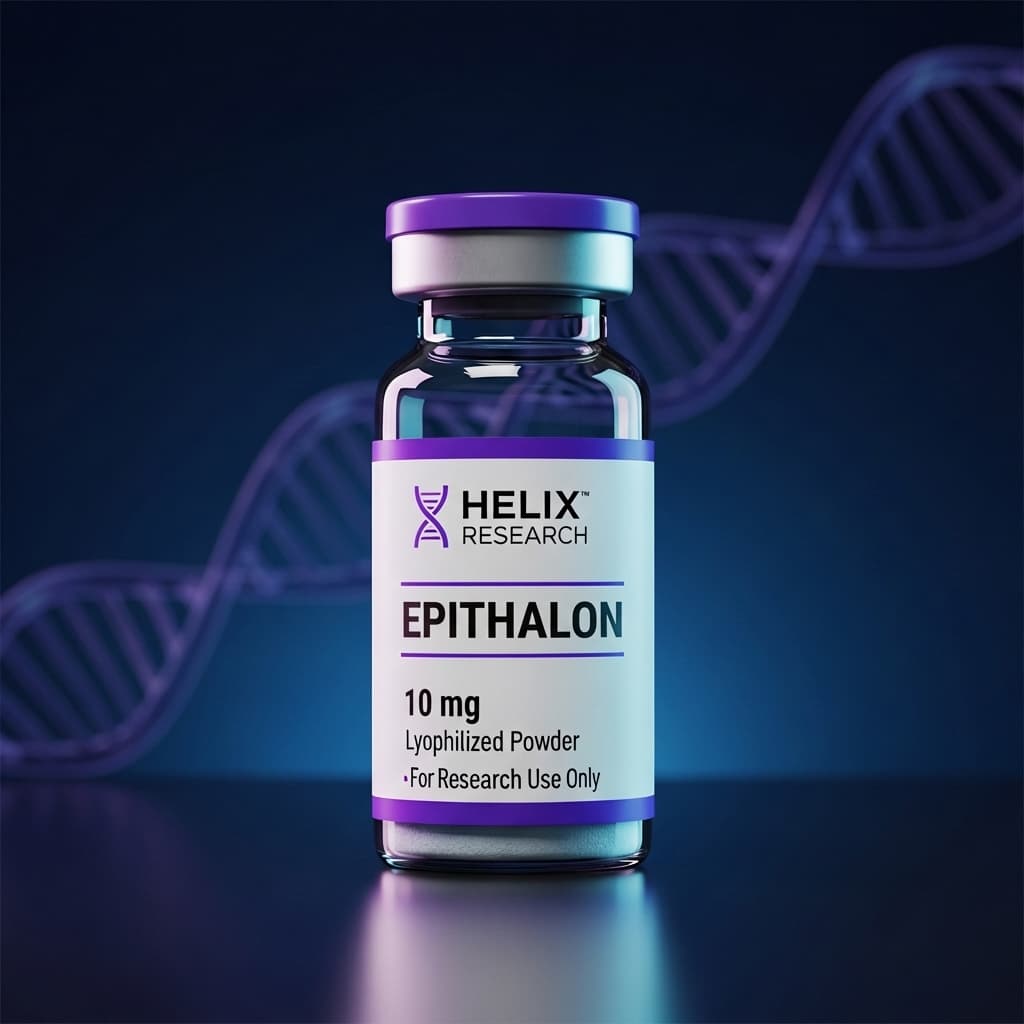
Epithalon
$23.95Telomerase activation and telomere elongation · cellular aging and lifespan extension · Circadian rhythm and melatonin restoration
Epithalon is a synthetic tetrapeptide based on the natural epithalamin produced by the pineal gland.
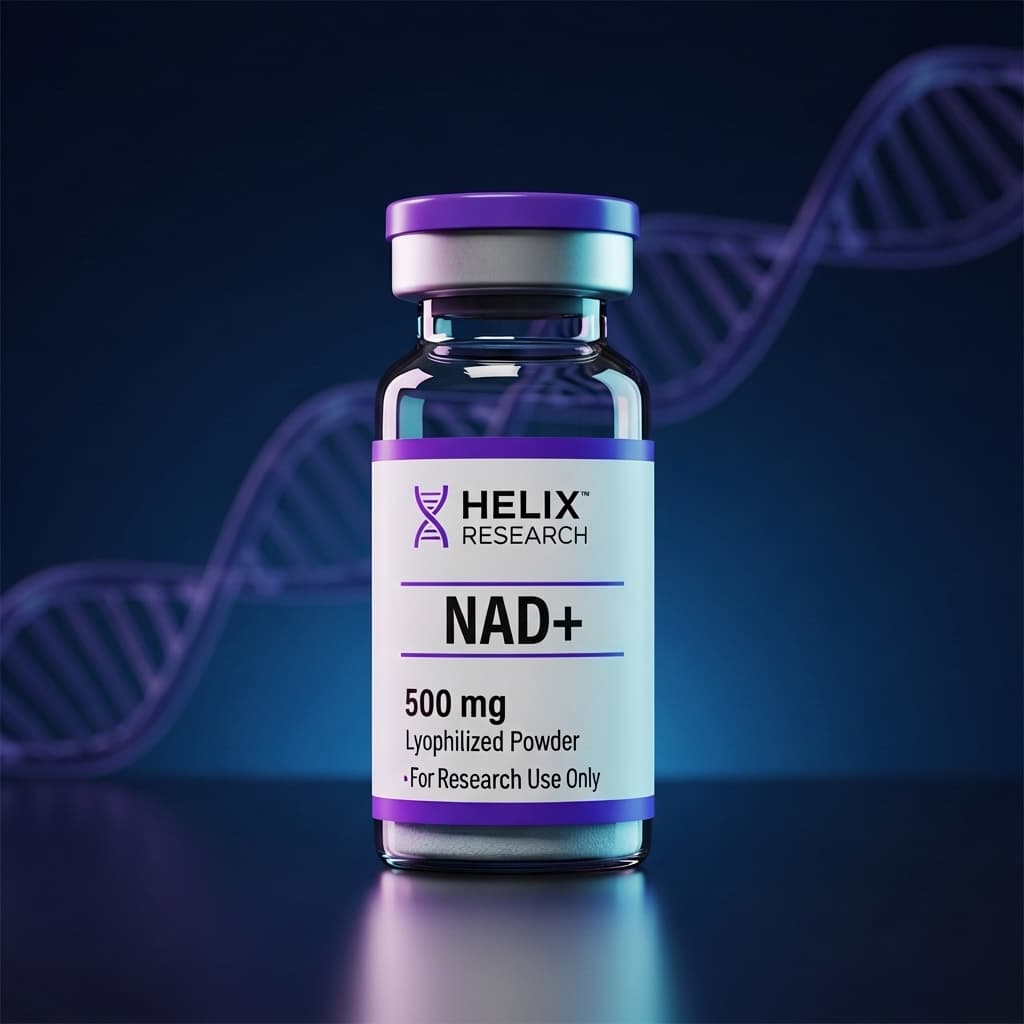
NAD+
$74.95Age-related NAD+ decline and supplementation · Sirtuin biology and activation · DNA repair and genomic stability
NAD+ is an essential coenzyme present in all living cells that serves as an electron carrier in metabolic redox reactions (glycolysis, TCA cycle, oxidative phosphorylation) and as a substrate for NAD+-consuming enzymes including sirtuins (SIRT1-7), PARPs, and CD38.
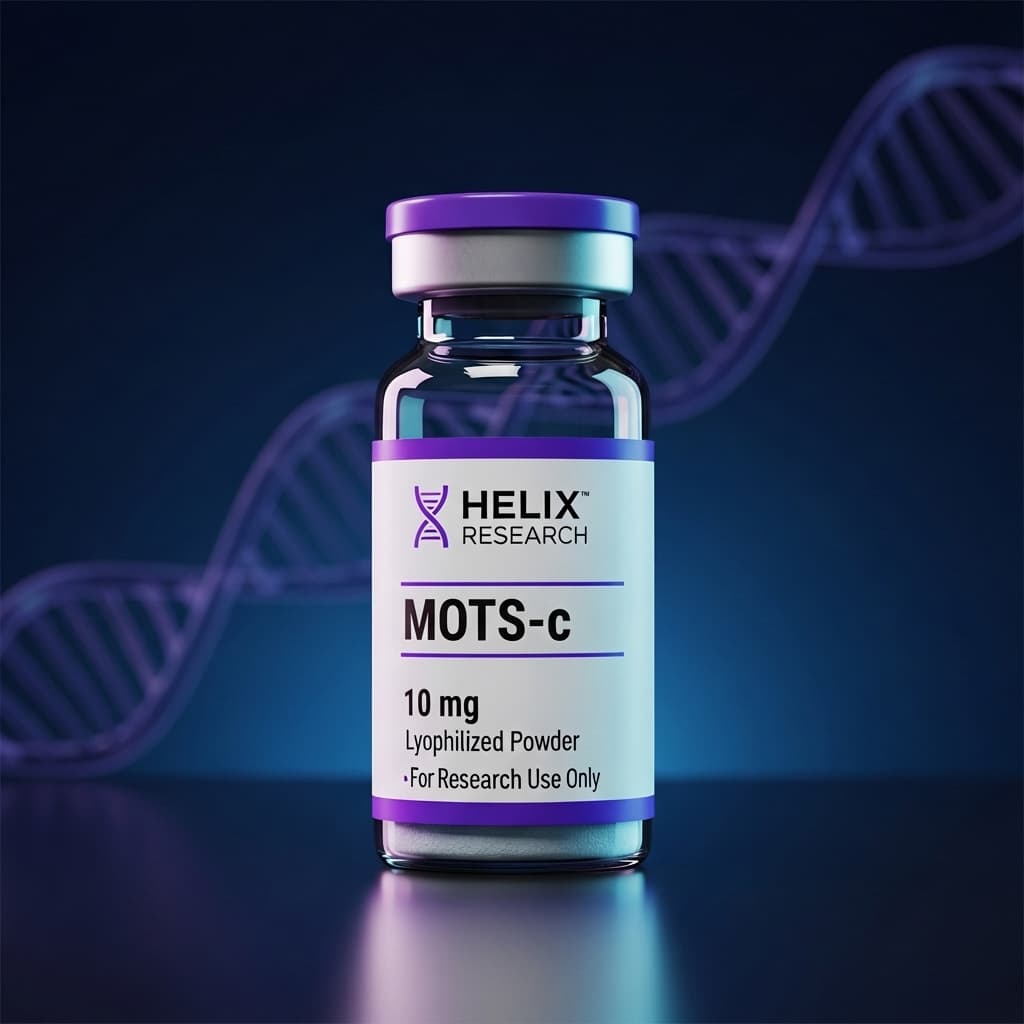
MOTS-c
$54.95Metabolic homeostasis and AMPK activation · Exercise mimetic and endurance research · Age-related metabolic decline
MOTS-c is a mitochondrial-derived peptide encoded by the 12S rRNA gene (MT-RNR1) that acts as a retrograde signaling molecule from mitochondria to the nucleus.
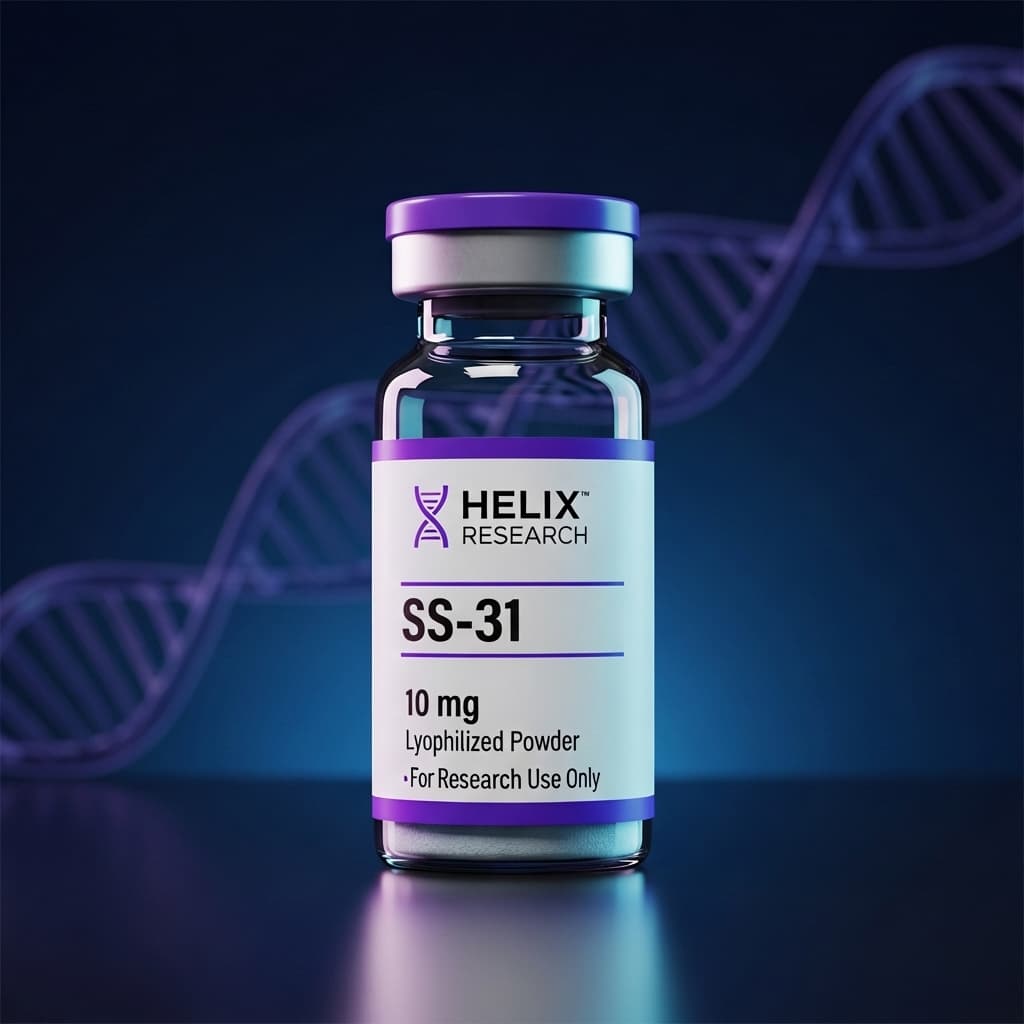
SS-31
$240.00Mitochondrial dysfunction and aging · Barth syndrome (FDA-approved indication) · Heart failure and cardiac ischemia-reperfusion
SS-31 is a cell-permeable, mitochondria-targeted tetrapeptide that concentrates ~1000-fold in the inner mitochondrial membrane by binding to cardiolipin, a phospholipid unique to this membrane.
Profundiza en los péptidos dentro del kit
Selección de artículos ligada directamente a los compuestos de este kit, para que el investigador pase del bundle a la literatura, el mecanismo y el manejo específico de cada péptido.
Anti-Aging & Longevity Peptides
Comprehensive research guide covering mechanism, studies, and practical info for anti-aging peptides.
NAD+ Peptide Research: Cellular Energy & Aging
Explore NAD+ research in cellular energy metabolism and aging biology. Covers sirtuins, PARP enzymes, and restoration approaches.
Mitochondrial Peptides: Research Frontiers
Emerging category. Position as authority early. Comprehensive research guide covering mechanism of action, published studies, and practical information.
Epithalon & Telomere Research
Review of epithalon (epitalon), the synthetic tetrapeptide studied for telomerase activation and cellular aging.
NAD+ and Aging: What the Latest Studies Reveal
Comprehensive research guide covering mechanism, studies, and practical info for NAD+ aging research.
Humanin: Mitochondrial Cytoprotection
Growing longevity community interest. Pairs well with MOTS-c content. Comprehensive research guide covering mechanism of action, published studies, and.
Kits de Investigación Relacionados
Kit de Estudio de Senescencia Celular
Mecanismos de telomerasa, senolíticos, circadianos y citoprotectores — cuatro ejes estudiados en investigación publicada en Cell y Nature
4 peptides · Biología Celular
Kit de Investigación en Reparación Tisular
Los dos péptidos de reparación tisular más citados, estudiados juntos en la literatura publicada
2 peptides · Investigación Tisular
Kit Comparador de Vía Incretínica
Activación de receptor único vs. dual — los compuestos de los ensayos STEP y SURPASS
2 peptides · Investigación Metabólica
Comienza tu Investigación
Get the complete Cellular Aging Mechanisms Kit at $334.77 — save $59.08 versus purchasing each compound separately. Full COA documentation included with every vial.
Solo para Uso en Investigación. Estos kits están destinados únicamente para fines de investigación en laboratorio. No para consumo humano. Los resúmenes públicos reflejan literatura publicada y documentación analítica, no instrucciones de uso humano ni claims terapéuticos.