No spam. Unsubscribe anytime.
Batch purity, right where researchers look for it.
Each included compound carries its own HPLC result, batch reference, and testing date so the research brief is backed by real analytical proof.
IGF-1 LR3
Purity (HPLC)
MGF
Purity (HPLC)
PEG MGF
Purity (HPLC)
ACE 031
Purity (HPLC)
IGF & Myostatin Pathway Kit
Covers the broader IGF, MGF, and myostatin side of muscle-tissue literature
A muscle-tissue research kit organized around IGF signaling, satellite-cell activation, and myostatin-pathway modulation.
Research Use Only. These kits are intended for laboratory research purposes only. Not for human consumption. Public-page summaries reflect published literature and analytical documentation, not human-use instructions or treatment claims.
Built from published research, not guesswork.
Every public research kit now leads with the proof: cited studies, PMIDs, tracked signals, and batch-level documentation across each component.
What is inside the kit, structurally
Core chemistry details pulled from each included compound so the page feels like a real research profile, not a generic bundle card.
IGF-1 LR3
CAS: 946870-92-4IGF-1 LR3 is a synthetic 83-amino acid analog of IGF-1 (which has 70 amino acids) with an arginine at position 3 and a 13-amino acid extension at the N-terminus. These modifications reduce binding to IGF binding proteins (IGFBPs) by over 100-fold, resulting in dramatically higher bioavailability and potency compared to native IGF-1. It activates the IGF-1 receptor to stimulate the PI3K/Akt and MAPK/ERK pathways, promoting cell proliferation, differentiation, survival, and protein synthesis in muscle and other tissues.
MGF
CAS: Not formally assigned for the synthetic fragmentMGF is a splice variant of IGF-1 produced in mechanically stressed muscle tissue. Its unique E-domain (C-terminal peptide) activates satellite cells (muscle stem cells) and drives their proliferation while preventing premature differentiation. This is distinct from IGF-1Ea, which primarily drives differentiation. MGF also has neuroprotective properties and can protect cortical and hippocampal neurons. It acts through receptor-mediated signaling that is partially independent of the classical IGF-1 receptor.
PEG MGF
CAS: Not formally assignedPEG-MGF shares the same mechanism as MGF (satellite cell activation, muscle repair, neuroprotection) but has been modified through PEGylation, which involves covalent attachment of polyethylene glycol chains. This modification shields the peptide from enzymatic degradation, reduces renal clearance, and dramatically extends its half-life from minutes to hours. The sustained exposure allows for systemic distribution and more prolonged satellite cell activation.
ACE 031
CAS: 1169766-01-1ACE-031 is a soluble decoy receptor consisting of the extracellular domain of activin receptor type IIB (ActRIIB) fused to a human IgG1 Fc domain. It functions as a ligand trap, binding and neutralizing myostatin (GDF-8), activin A, GDF-11, and other TGF-beta superfamily ligands that negatively regulate muscle-signaling. By sequestering these ligands in the circulation, ACE-031 removes the natural brake on muscle-signaling, resulting in significant increases in muscle mass and strength. The Fc domain provides extended half-life through FcRn recycling.
Published study parameters
Typical dose ranges, intervals, and administration routes cited in the literature for the compounds in this kit.
IGF-1 LR3 and MGF/PEG-MGF are best injected post-exercise into the target muscle group. ACE-031 is dosed less frequently due to its long half-life. Published protocols for this advanced stack reference lower initial doses with gradual escalation.
IGF-1 LR3
Post-exerciseMGF
Post-exercise (per MGF expression studies)PEG MGF
Post-workout or rest daysACE 031
Any timeThese are publication-style study parameters summarized from cited literature and investigational designs. They are provided as research context only, not as human-use instructions or recommendations.
Why these compounds are paired in the literature
Plain-English summaries of the mechanisms and published pairings that make this kit coherent for real research work.
IGF-1 LR3 is a long-acting insulin-like growth factor analog. Research shows extended receptor binding time compared to native IGF-1, with sustained signaling for muscle protein synthesis pathways (PMID: 11701431).
MGF (Mechano Growth Factor) is a splice variant of IGF-1 expressed in response to mechanical stress. Published research shows it activates satellite (stem) cells responsible for new myofiber formation (PMID: 14506268).
PEG-MGF is a PEGylated form designed for extended half-life. Studies show this modification sustains the satellite cell activation window from minutes to hours in research models.
ACE-031 is a soluble form of activin receptor type IIB that binds myostatin. Published research demonstrates that myostatin inhibition removes a natural limit on muscle hypertrophy (PMID: 20016012).
What's in This Kit
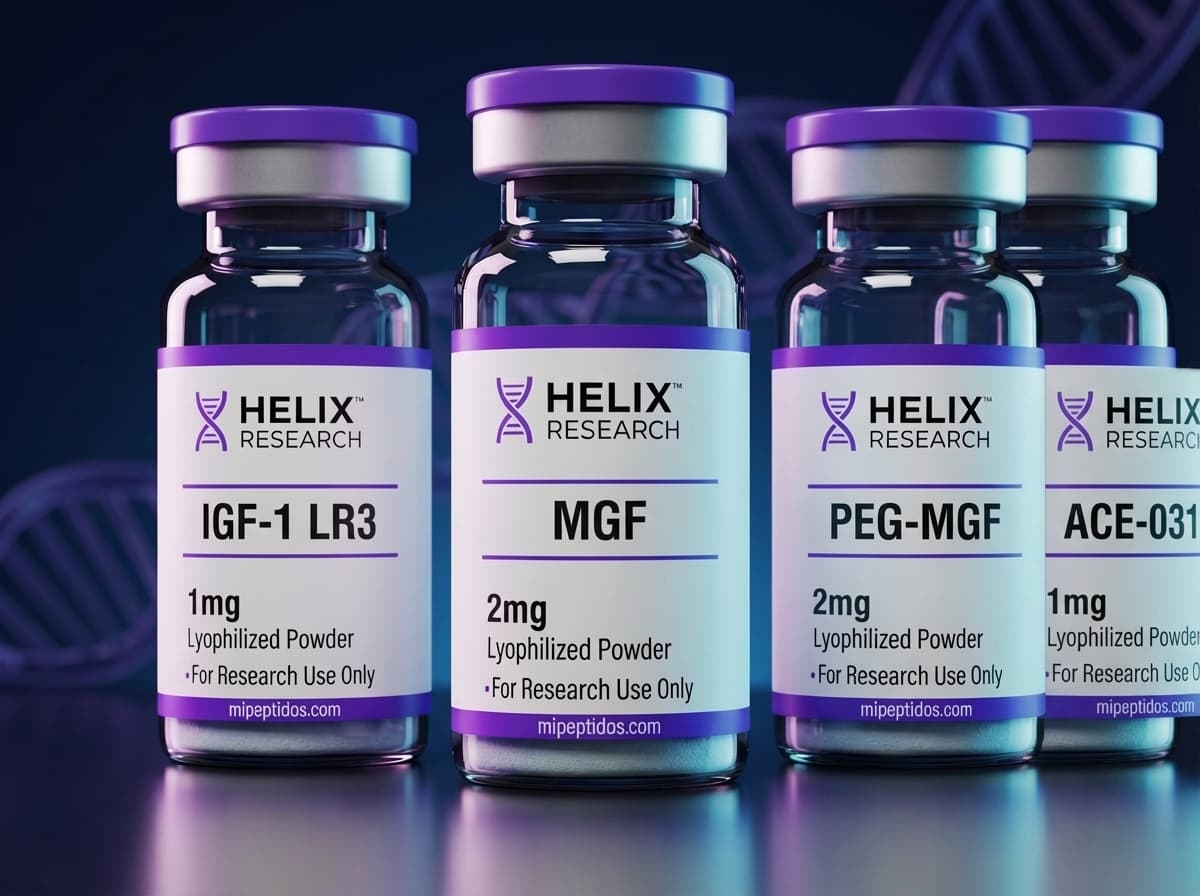
4 peptides, each with individual COA documentation
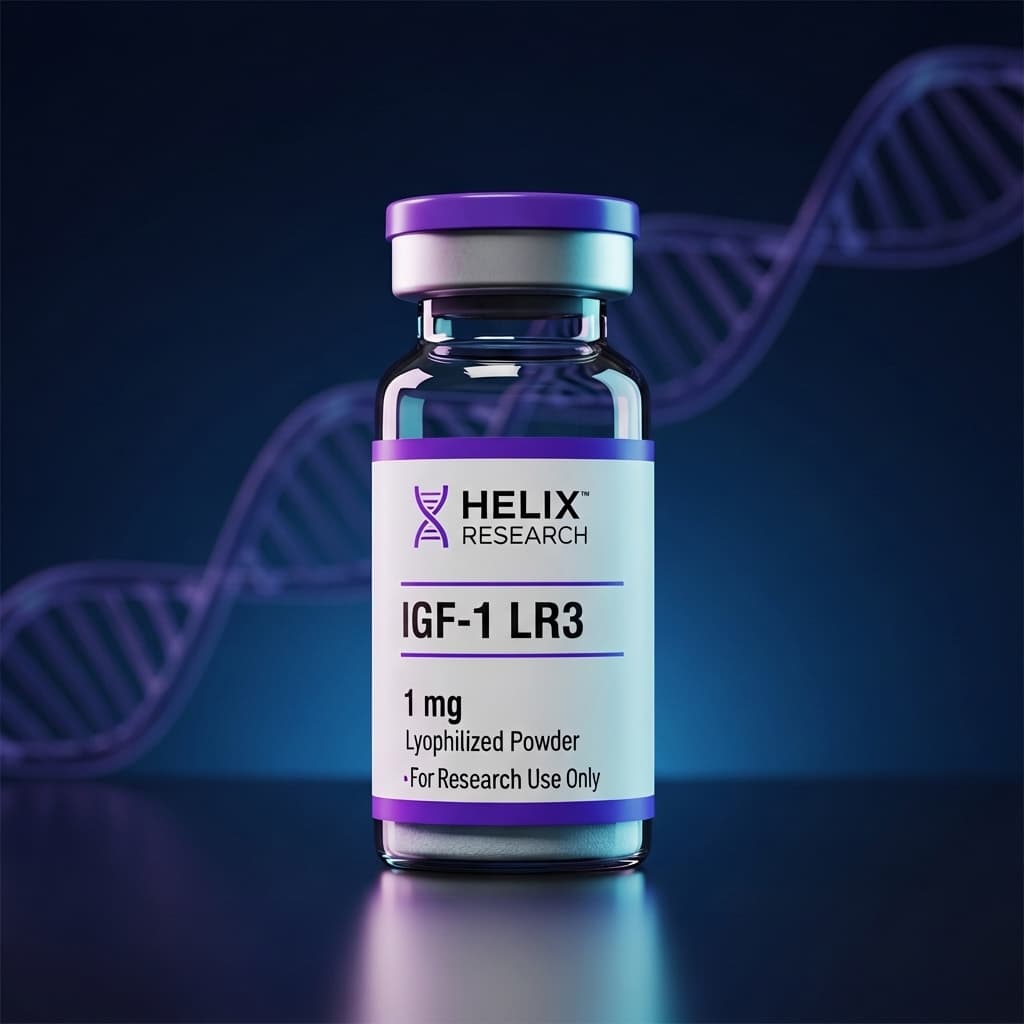
IGF-1 LR3
$55.95muscle-signaling and hypertrophy beyond GH/IGF-1 axis · IGFBP-independent IGF-1 signaling · Cell proliferation and anti-apoptosis
IGF-1 LR3 is a synthetic 83-amino acid analog of IGF-1 (which has 70 amino acids) with an arginine at position 3 and a 13-amino acid extension at the N-terminus.
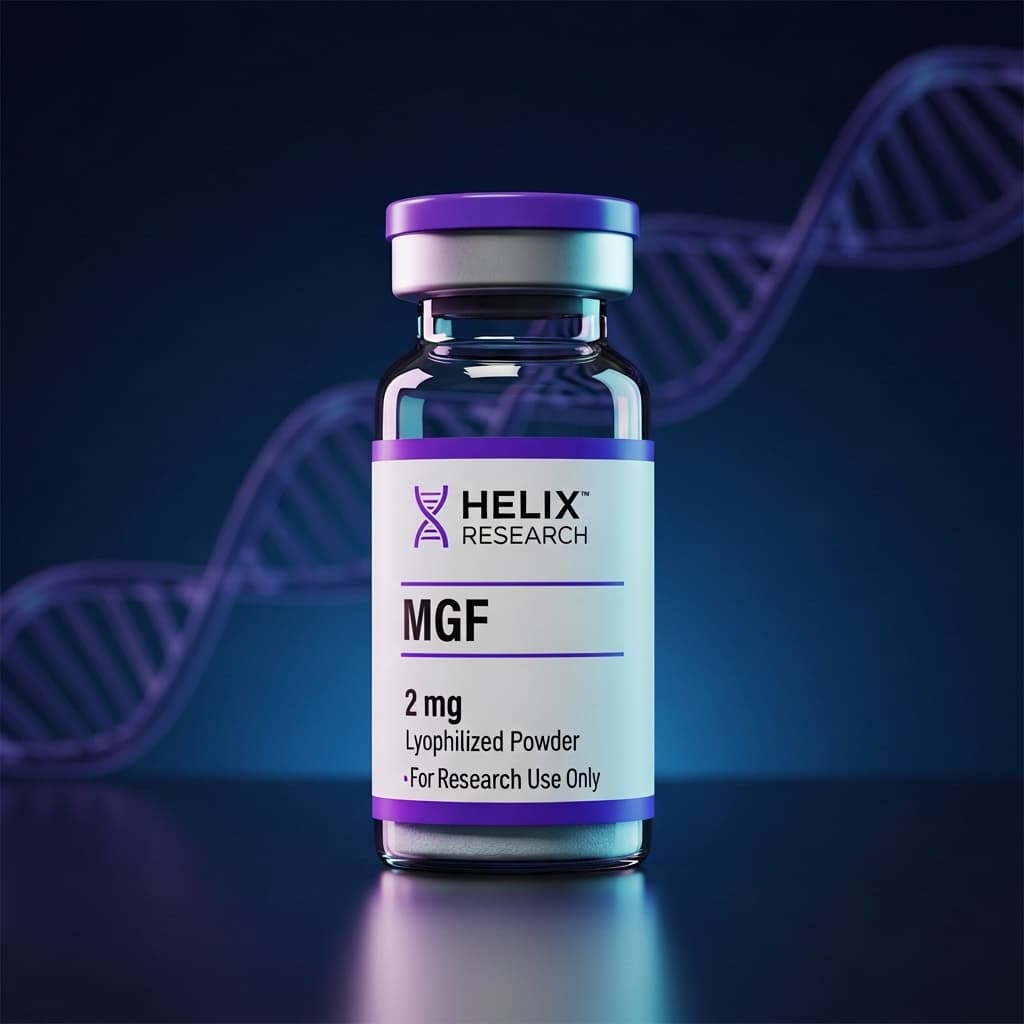
MGF
$50.00Muscle satellite cell activation · Skeletal muscle repair and hypertrophy · Neuroprotection after ischemic events
MGF is a splice variant of IGF-1 produced in mechanically stressed muscle tissue.
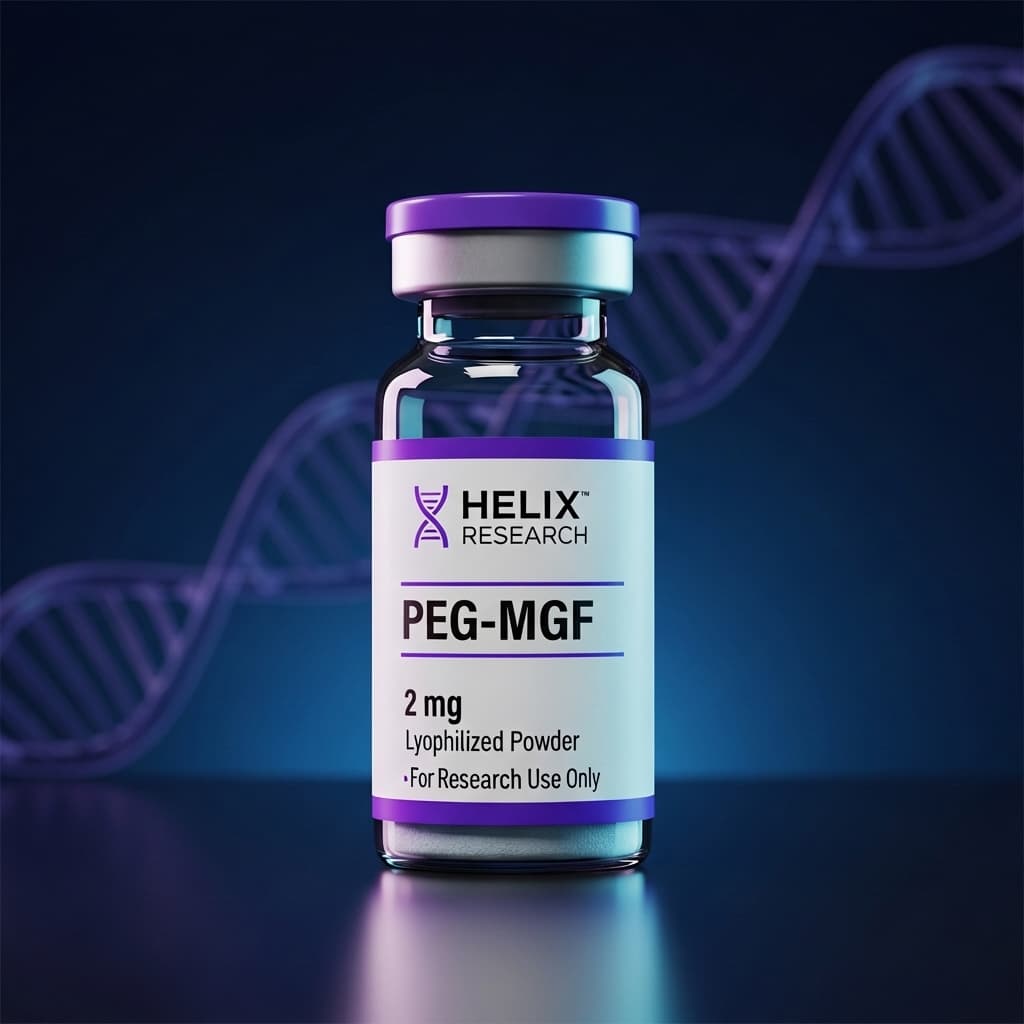
PEG MGF
$70.00Extended-release muscle repair studies · PEGylation pharmacokinetic optimization · Systemic vs. local MGF effects
PEG-MGF shares the same mechanism as MGF (satellite cell activation, muscle repair, neuroprotection) but has been modified through PEGylation, which involves covalent attachment of polyethylene glycol chains.
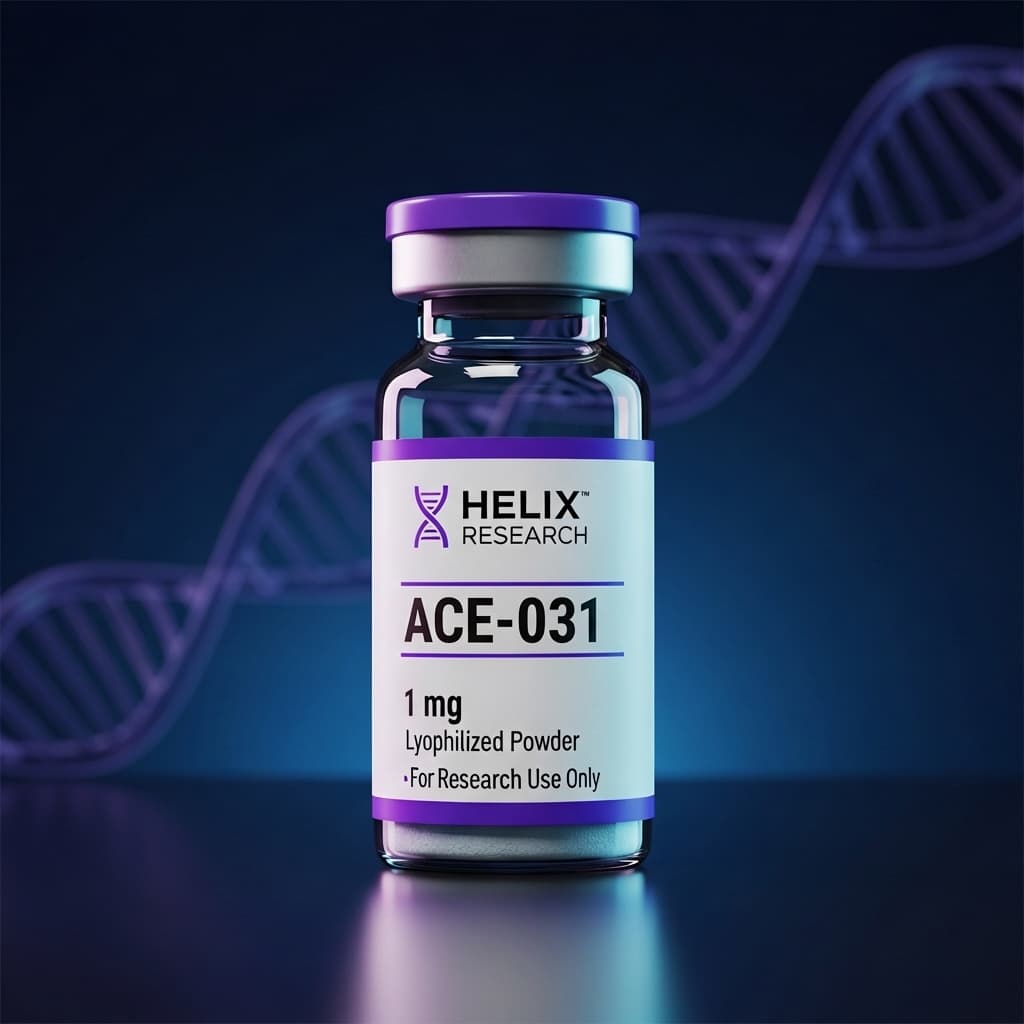
ACE 031
$498.95Duchenne muscular dystrophy (clinical trials conducted) · Myostatin inhibition and muscle-signaling · Muscle wasting and sarcopenia
ACE-031 is a soluble decoy receptor consisting of the extracellular domain of activin receptor type IIB (ActRIIB) fused to a human IgG1 Fc domain.
Go deeper on the peptides inside the kit
Article picks tied directly to the compounds in this kit, so researchers can move from the bundle view into peptide-specific literature, mechanism, and handling context.
IGF-1 LR3: Long-Acting IGF Research
Extremely high search volume. Core growth factor product. Comprehensive research guide covering mechanism of action, published studies, and practical.
MGF & PEG-MGF: Mechano Growth Factor
Niche but dedicated audience in muscle research. Comprehensive research guide covering mechanism of action, published studies, and practical information.
IGF-1 LR3 vs HGH: Growth Factor Comparison
Comprehensive research guide covering mechanism, studies, and practical info for IGF-1 LR3 vs HGH.
Follistatin 344: Myostatin Inhibition
Very high search volume in bodybuilding/research community. Comprehensive research guide covering mechanism of action, published studies, and practical.
Body Recomposition Peptide Research
Body recomp is massively searched. Promotes many products. Comprehensive research guide covering mechanism of action, published studies, and practical.
HGH (Growth Hormone): Research Profile
HGH is one of the most searched terms in the entire peptide space. Comprehensive research guide covering mechanism of action, published studies, and.
Related Research Kits
Tissue Repair Research Kit
The two most-cited tissue repair peptides studied together in published literature
2 peptides · Tissue Research
Incretin Pathway Comparator Kit
Single vs. dual receptor activation — the compounds from the STEP and SURPASS trials
2 peptides · Metabolic Research
Triple Incretin Comparator Kit
Single, dual, and triple agonists — the three compounds studied in STEP, SURPASS, and NEJM Phase 2 trials
3 peptides · Metabolic Research
Start Your Research
Get the complete IGF & Myostatin Pathway Kit at $573.67 — save $101.23 versus purchasing each compound separately. Full COA documentation included with every vial.
Research Use Only. These kits are intended for laboratory research purposes only. Not for human consumption. Public-page summaries reflect published literature and analytical documentation, not human-use instructions or treatment claims.