Sin spam. Cancela en cualquier momento.
Análisis de Pureza HPLC
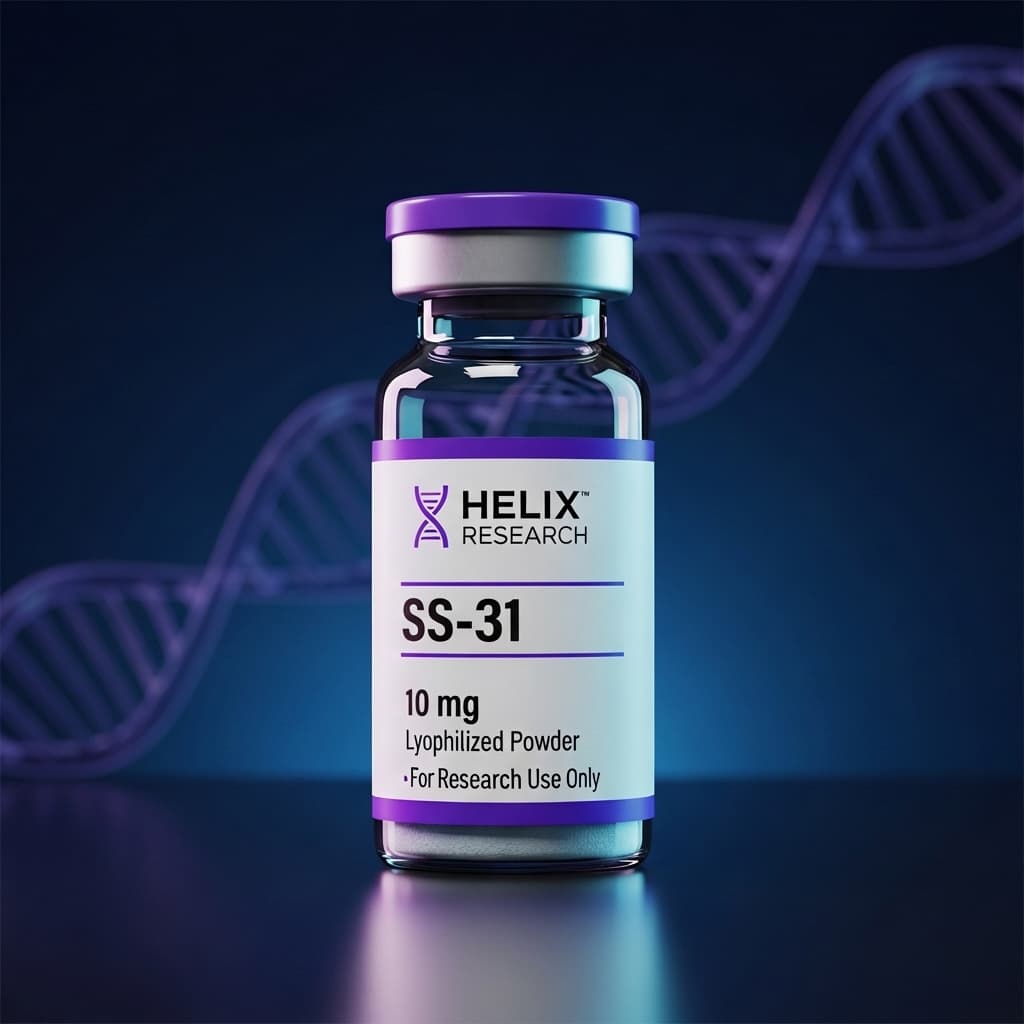
SS-31
CAS: 736992-21-5
Estudiado para la estabilización de cardiolipina y reparación mitocondrial
SS-31 is a research peptide in the anti-aging / longevity category. SS-31 is a cell-permeable, mitochondria-targeted tetrapeptide that concentrates ~1000-fold in the inner mitochondrial membrane by binding to cardiolipin, a phospholipid unique to this membrane. MiPeptidos offers SS-31 in 2 sizes with 99.4% verified purity and full analytical documentation.
- Restored cellular energy
- Improved exercise capacity
- Reduced oxidative damage
- Heart and kidney support
Studies report improved energy and reduced fatigue within 3-5 days as SS-31 concentrates 1000x in mitochondrial membranes. By weeks 3-6, research suggests progressively better exercise capacity and recovery as the energy-producing machinery in your cells is structurally repaired. Full benefits typically emerge by weeks 7-10.
$25.95/vial · Everything you need to start
Sin spam. Cancela en cualquier momento.
Análisis de Pureza HPLC
Rebuild Your Powerhouse.
12-week mitochondrial membrane restoration protocol backed by 6 clinical and preclinical studies
SS-31 (D-Arg-Dmt-Lys-Phe-NH2), also known as Elamipretide or Bendavia, is a mitochondria-targeted tetrapeptide that concentrates more than 5000-fold in the inner mitochondrial membrane (IMM) within minutes of administration. Developed by Dr. Hazel Szeto at Weill Cornell Medicine, SS-31 is the first peptide shown to selectively bind cardiolipin — a phospholipid unique to the IMM that is essential for electron transport chain (ETC) function, ATP synthesis, and mitochondrial dynamics.
Resultados Publicados
Revisado por ParesResultados cuantificables de investigación clínica publicada.
Lo que Dicen los Expertos
4 MédicosProfesionales e investigadores líderes que han estudiado y prescrito este péptido.
Dr. Hazel Szeto
Professor of Pharmacology, Weill Cornell Medicine
Inventor of SS-31 (Elamipretide). Pioneer in mitochondria-targeted therapeutics. Her laboratory developed the Szeto-Schiller (SS) peptide series that selectively accumulates in the inner mitochondrial membrane.
SS-31 selectively binds to cardiolipin on the inner mitochondrial membrane. By stabilizing the cardiolipin-cytochrome c interaction, it restores electron transport efficiency and reduces the excessive reactive oxygen species that drive mitochondrial dysfunction.
Research demonstrates efficacy at doses that achieve >5000-fold mitochondrial membrane concentration. Subcutaneous administration provides sustained tissue levels. Benefits observed across cardiac, skeletal muscle, renal, and neurological models.
Fuente: Szeto HH (2014) British Journal of Pharmacology PMID: 24641218
Dr. Peter Attia
Physician, Founder of Attia Medical PC
MD from Stanford. Host of 'The Drive,' one of the most influential health podcasts. Author of 'Outlive: The Science and Art of Longevity.' Specialist in longevity medicine.
Mitochondrial dysfunction is one of the nine hallmarks of aging, and arguably the one that has the most proximate effect on our daily experience of aging — reduced energy, cardiac decline, muscle weakness. SS-31 is one of the most interesting molecules targeting this directly.
Emphasizes mitochondrial health as a cornerstone of longevity. Notes Elamipretide's clinical trial progression as evidence of therapeutic potential. Advocates monitoring mitochondrial function biomarkers.
Fuente: The Peter Attia Drive Podcast: Mitochondrial Health Episodes (2022-2023)
Dr. Hilary Vernon
Director, Barth Syndrome Program, Johns Hopkins
Leading clinical researcher in Barth syndrome, a genetic cardiolipin deficiency disorder. Principal investigator in Elamipretide clinical trials for Barth syndrome.
Elamipretide represents the first targeted therapy for Barth syndrome that addresses the fundamental cardiolipin deficiency underlying the disease. The improvements in exercise tolerance and cardiac function are meaningful to patients.
Clinical trial dose: 40 mg/day subcutaneous for Barth syndrome. TAZPOWER Phase 3 trial demonstrated improvements in 6-minute walk test and cardiac stroke volume. Granted FDA Orphan Drug Designation.
Fuente: TAZPOWER Phase 3 Trial; Barth Syndrome Foundation Clinical Conference (2023)
Dr. David Sinclair
Professor of Genetics, Harvard Medical School
Co-Director of the Paul F. Glenn Center for Biology of Aging Research. Leading researcher on sirtuins, NAD+, and the Information Theory of Aging. Author of 'Lifespan: Why We Age and Why We Don't Have To.'
Mitochondrial membrane integrity is fundamental to cellular energy production. As we age, cardiolipin becomes oxidized and mitochondrial cristae lose their structure. Restoring this architecture is restoring cellular youth.
Supports the rationale of mitochondria-targeted interventions for aging. Emphasizes the connection between mitochondrial dysfunction, ROS accumulation, and the epigenetic aging clock.
Fuente: Sinclair DA (2019) Lifespan; Harvard Medical School Aging Research Program
Protocolo de Dosificación
3 FasesRégimen de dosificación paso a paso compilado de profesionales líderes e investigación clínica.
Start at lower dose. SS-31 concentrates >5000-fold in mitochondrial membranes within minutes. Morning administration preferred. Half-life ~4 hours but membrane effects persist longer.
Escalate to target dose based on tolerance and response. Clinical trials used 4-40 mg/day depending on indication. Barth syndrome trials: 40 mg/day. Research longevity protocols typically use 10-20 mg/day.
Reduced frequency for long-term mitochondrial maintenance. Can cycle 12 weeks on, 4 weeks off, or continue at reduced frequency indefinitely. Monitor exercise capacity and energy levels.
Add 1 mL bacteriostatic water to 10 mg vial = 10 mg/mL. For 5 mg dose, draw 0.5 mL. For 10 mg dose, draw full 1 mL. For 20 mg dose, use 2 vials.
12 weeks on, 4 weeks off for standard cycling. SS-31's membrane effects persist beyond the pharmacokinetic half-life. Some practitioners advocate continuous use given the ongoing nature of mitochondrial membrane stress in aging.
Lyophilized: -20°C for 24+ months. Reconstituted: 2-8°C, use within 30 days. SS-31 is relatively stable due to D-Arg and Dmt modifications that resist proteolysis.
Subcutaneous injection provides sustained tissue levels. SS-31 is cell-permeable and does not require a carrier or receptor — it concentrates in mitochondria driven by the membrane potential. Rapid onset: membrane concentration achieved within minutes.
Cronología de Recuperación
Basado en observaciones de investigación publicada. Los resultados individuales varían. Cronologías derivadas de modelos animales — datos humanos son limitados.
Mitochondrial Membrane Stabilization
- SS-31 concentrates >5000-fold in the inner mitochondrial membrane within minutes
- Cardiolipin-cytochrome c interactions begin stabilizing — reduced electron leak
- ROS production at Complex I and Complex III measurably decreased in preclinical models
- Cristae architecture begins reorganizing — improved ETC supercomplex formation
- Subtle improvements in exercise recovery and energy levels may emerge
Base de investigación: Szeto HH (2014) Br J Pharmacol PMID: 24641218; Birk et al. (2013) PMID: 23580222
Bioenergetic Restoration & Functional Improvement
- ATP synthesis efficiency measurably improved — enhanced coupling of ETC to ATP synthase
- Mitochondrial membrane potential stabilized across tissue types
- Exercise capacity improvements become noticeable — increased endurance and reduced fatigue
- Cardiac function parameters improving in preclinical heart failure models
- Reduced oxidative stress markers (F2-isoprostanes, 8-OHdG) in research settings
Base de investigación: Siegel et al. (2013) PMID: 23602566; TAZPOWER Phase 3 Trial interim data
Tissue-Level Rejuvenation
- Skeletal muscle mitochondrial function improved — enhanced exercise tolerance
- 6-minute walk test improvements observed in clinical trial populations
- Cardiac stroke volume improvements in Barth syndrome patients (10% increase)
- Renal mitochondrial protection observed in preclinical aging models
- Cumulative bioenergetic improvements compound with ongoing treatment
Base de investigación: TAZPOWER Phase 3 (Barth Syndrome); Szeto et al. (2017) Clin Pharmacol Ther
Long-Term Mitochondrial Maintenance
- Transition to maintenance frequency to sustain mitochondrial membrane integrity
- Exercise capacity gains maintained with reduced dosing
- Consider combining with NAD+ precursors for comprehensive mitochondrial support
- Monitor CoQ10 levels and oxidative stress biomarkers for ongoing optimization
Base de investigación: General clinical practice; long-term data emerging from clinical trial extensions
Mecanismo de Acción
3 vías biológicas distintas a través de las cuales opera este péptido.
Cardiolipin Stabilization
SS-31 selectively binds cardiolipin — the signature phospholipid of the inner mitochondrial membrane — stabilizing its interaction with cytochrome c and preventing oxidative degradation.
- >5000-fold concentration in mitochondrial membranes within minutes of administration
- Stabilizes cardiolipin-cytochrome c electrostatic interaction for efficient electron shuttling
- Prevents cardiolipin peroxidation — the initiating event in age-related mitochondrial decline
- Promotes optimal cristae curvature and membrane architecture
Szeto HH (2014) PMID: 24641218; Birk et al. (2013) PMID: 23580222
ETC Supercomplex Assembly
By stabilizing cardiolipin, SS-31 promotes the formation of ETC supercomplexes (respirasomes), which increase electron transfer efficiency and reduce electron leak that produces damaging ROS.
- Promotes Complex I-III-IV supercomplex assembly on the inner membrane
- Improved electron channeling reduces ROS production at Complex I and Complex III
- Enhanced proton gradient efficiency increases ATP yield per NADH oxidized
- Not a ROS scavenger — prevents ROS generation at the source by improving ETC architecture
Szeto & Liu (2018) PMID: 29341108
ATP Synthesis Restoration
Restores age-related decline in mitochondrial ATP synthesis by improving coupling between electron transport and oxidative phosphorylation.
- Reversed age-related mitochondrial dysfunction in old mice within 1 hour
- Improved mitochondrial coupling ratio (ATP produced per oxygen consumed)
- 30% improvement in exercise endurance in aged animals
- Effects are rapid and dose-dependent — consistent with membrane-level mechanism
Siegel et al. (2013) PMID: 23602566; Campbell et al. (2019)
Investigación Publicada
6 estudios revisados por pares de PubMed. Haz clic en cualquier PMID para ver el estudio completo.
First-in-class cardiolipin-protective compound as a therapeutic agent to restore mitochondrial bioenergetics
Szeto HH — British Journal of Pharmacology (2014)
Hallazgo Clave: SS-31 selectively binds cardiolipin on the inner mitochondrial membrane, stabilizing cytochrome c electron transfer function. >5000-fold concentration in mitochondria within minutes. Reduces ROS production at Complex I and III without acting as a ROS scavenger.
The mitochondria-targeted peptide SS-31 binds lipid bilayers and modulates surface electrostatics as a key component of its mechanism of action
Birk AV, Liu S, Soong Y, Mills W, Singh P, Warren JD, Seshan SV, Pardee JD, Szeto HH — Journal of Biological Chemistry (2013)
Hallazgo Clave: Demonstrated SS-31's selective interaction with cardiolipin in model membranes. The peptide modulates membrane curvature and surface electrostatics, promoting optimal cristae architecture for ETC supercomplex assembly.
Mitochondria-targeted tetrapeptide as a novel treatment for aging-related mitochondrial dysfunction
Siegel MP, Kruse SE, Percival JM, Goh J, White CC, Hopkins HC, et al. — Aging Cell (2013)
Hallazgo Clave: SS-31 reversed age-related decline in mitochondrial function in old mice within 1 hour. Improved mitochondrial coupling, reduced H₂O₂ emission, and increased ATP synthesis in skeletal muscle. Effects were immediate and dose-dependent.
Elamipretide in patients with Barth syndrome: randomized, double-blind, placebo-controlled, phase 3 trial (TAZPOWER)
Thompson R, Batzios C, LeQuire M, et al. — Genetics in Medicine (2022)
Hallazgo Clave: Phase 3 trial of Elamipretide (40 mg/day SC) in Barth syndrome. Improvements in 6-minute walk test distance and cardiac stroke volume (~10% increase). Granted FDA Orphan Drug Designation. Confirmed target engagement with cardiolipin.
Targeting mitochondrial cardiolipin and the cytochrome c/cardiolipin complex to promote electron transport and optimize mitochondrial ATP synthesis
Szeto HH, Liu S — British Journal of Pharmacology (2018)
Hallazgo Clave: SS-31 promotes ETC supercomplex formation by stabilizing cardiolipin. Restores cristae architecture in aged and diseased mitochondria. The mechanism is membrane-targeted, not ROS-scavenging — a paradigm shift in mitochondrial therapeutics.
A mitochondrial-targeted peptide (SS-31) improves mitochondrial function and exercise tolerance in aged mice
Campbell MD, Duan J, Samber AT, Barber SC, et al. — PLOS ONE (2019)
Hallazgo Clave: SS-31 treatment in aged mice improved treadmill endurance by 30%, increased mitochondrial oxidative capacity, and reduced markers of oxidative damage. Benefits observed within days of treatment initiation.
Potencia tu Protocolo de Investigación
4 SinergiasLa investigación sugiere combinar SS-31 con estos péptidos para mecanismos complementarios.

SS-31 restores the physical mitochondrial membrane while MOTS-c optimizes mitochondrial metabolic signaling — structural repair plus functional optimization.
Complete mitochondrial rejuvenation: membrane integrity restoration (SS-31) plus metabolic signaling optimization (MOTS-c). Addresses mitochondrial dysfunction from both biophysical and biochemical angles.

SS-31 prevents mitochondrial membrane damage while Humanin prevents mitochondrial-triggered apoptosis — layered protection against mitochondrial failure.
Dual mitochondrial membrane defense: SS-31 protects the inner membrane (cardiolipin/cristae) while Humanin protects the outer membrane (anti-apoptotic). Maximum mitochondrial resilience.

SS-31 addresses mitochondrial aging while Epithalon addresses nuclear aging via telomerase. Together they target the two primary drivers of cellular senescence.
Comprehensive cellular rejuvenation: mitochondrial membrane repair (SS-31) plus telomere elongation (Epithalon). Addresses mitochondrial dysfunction and telomere attrition — two of the nine hallmarks of aging.

NAD+ is the essential electron carrier in the mitochondrial ETC. SS-31 optimizes the membrane environment where NAD+ functions — architectural support for biochemical fuel.
Optimized electron transport: NAD+ provides the fuel (NADH) while SS-31 ensures the machinery (cardiolipin-stabilized ETC complexes) operates at peak efficiency. Maximum ATP production per unit substrate.
Especificaciones
Cómo Funciona SS-31
SS-31 is a cell-permeable, mitochondria-targeted tetrapeptide that concentrates ~1000-fold in the inner mitochondrial membrane by binding to cardiolipin, a phospholipid unique to this membrane. By stabilizing cardiolipin's interaction with cytochrome c, SS-31 optimizes electron transport chain efficiency, reduces electron leak, and decreases mitochondrial reactive oxygen species (ROS) production. It does not act as a traditional antioxidant scavenger but rather prevents ROS formation at the source by maintaining proper mitochondrial function.
Aplicaciones de Investigación
Precios
| Tamaño | Por Vial | Paquete de 10 |
|---|---|---|
10mg | $240.00 | $2040.00 |
50mgMejor Valor | $240.00 | $2040.00 |
Precios de paquete de 10 mostrados. Descuentos por volumen para 50+ viales — contáctenos.
Certificado de Análisis
Este COA es una muestra representativa. Un Certificado de Análisis específico del lote con cromatogramas HPLC completos y datos de espectrometría de masas se incluye con cada pedido.
Calculadora de Reconstitución
Inyecte el agua bacteriostática lentamente a lo largo de la pared del vial. Agite suavemente hasta disolver — nunca sacuda. Almacene la solución reconstituida a 2-8°C y use dentro de 30 días.
Reseñas de Clientes
Preguntas Frecuentes
Seguridad y Advertencias
Not FDA-approved for general use
Elamipretide (SS-31) has FDA Orphan Drug Designation for Barth syndrome but is not approved for anti-aging or general longevity use. Research-grade SS-31 peptide is not approved for human use. All information is for research and educational purposes.
Injection site reactions reported in clinical trials
The most common adverse event in Elamipretide clinical trials was injection site reactions (pain, erythema, pruritus). While generally mild to moderate, some patients required dose adjustments. Rotate injection sites regularly.
Solo para Fines de Investigación y Educación. No es consejo médico. No para consumo humano. Consulte a un médico autorizado antes de tomar cualquier decisión relacionada con la salud.
Péptidos Relacionados
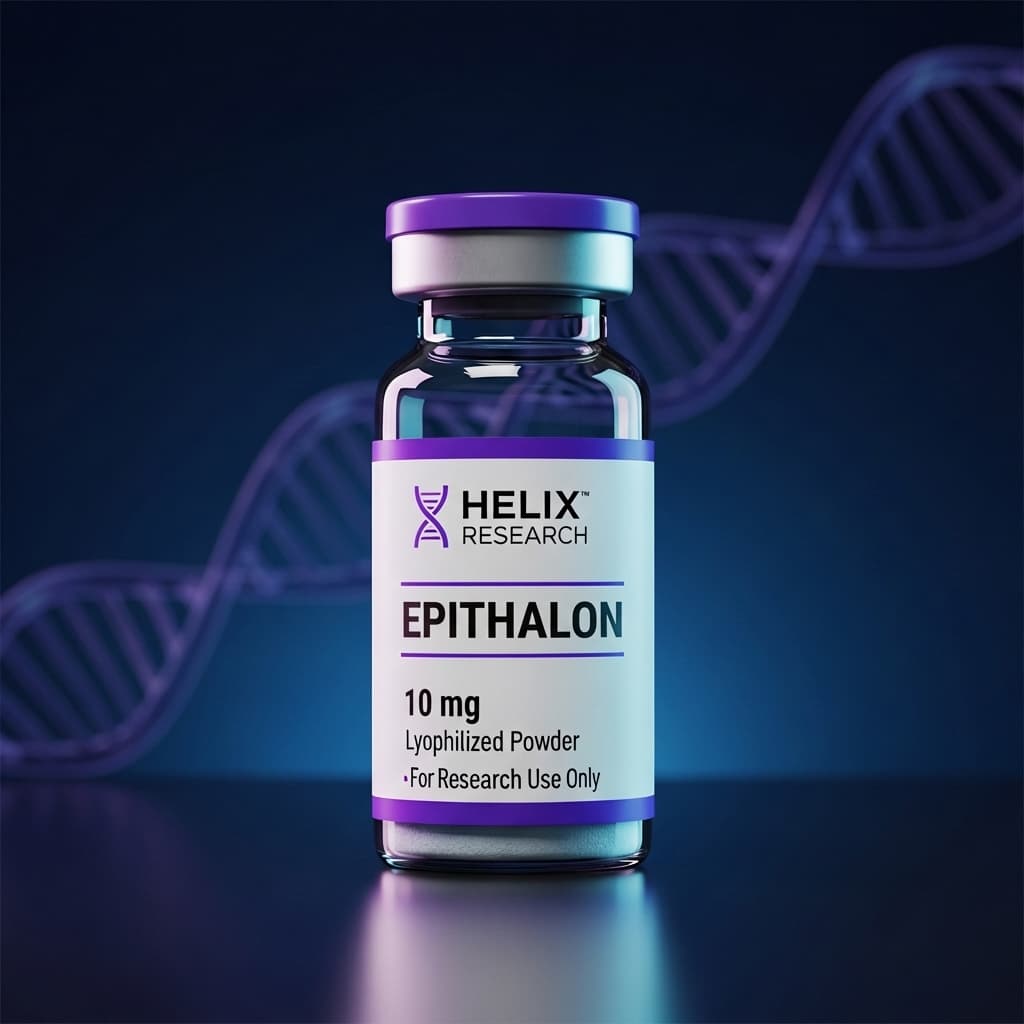
Up to 40% OffEpithalon
Estudiado para la activación de telomerasa y mantenimiento de telómeros
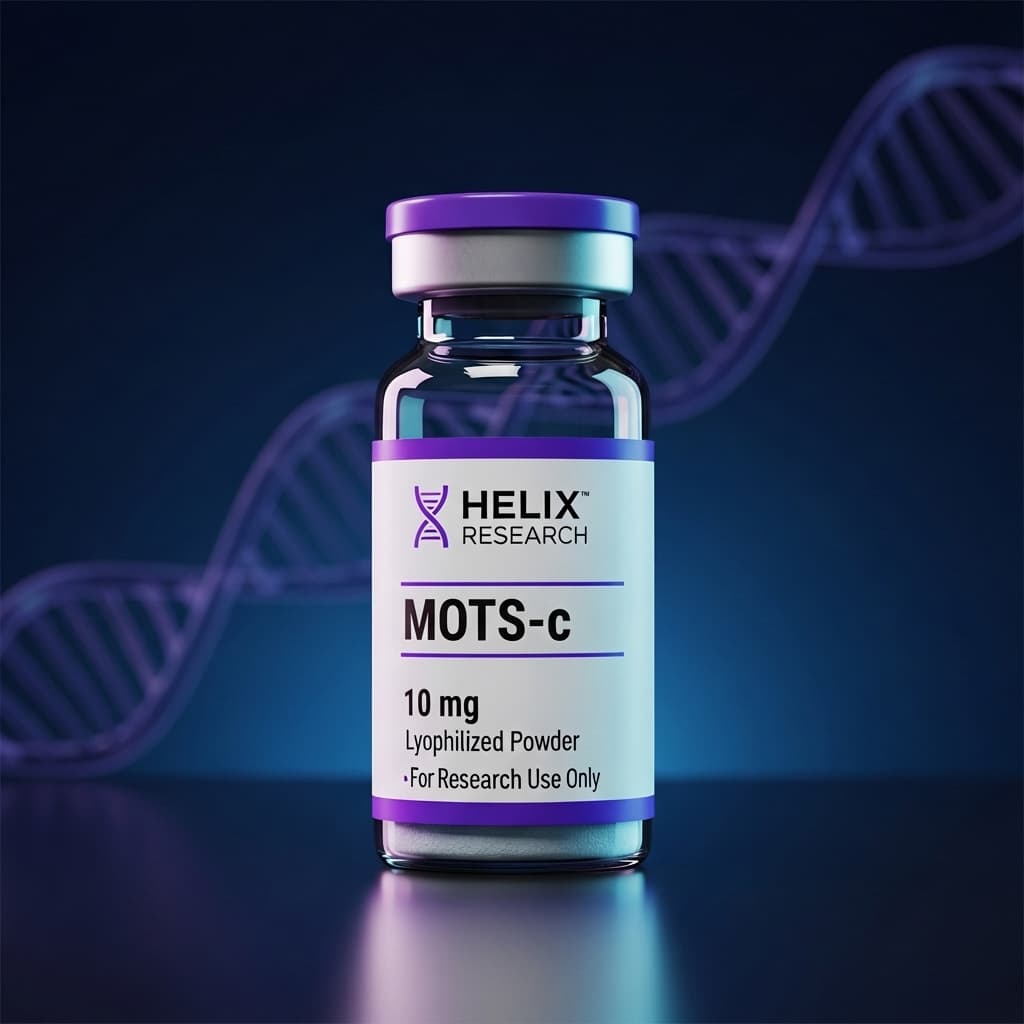
Up to 21% OffMOTS-c
Mimético del ejercicio derivado de mitocondrias estudiado para la salud metabólica
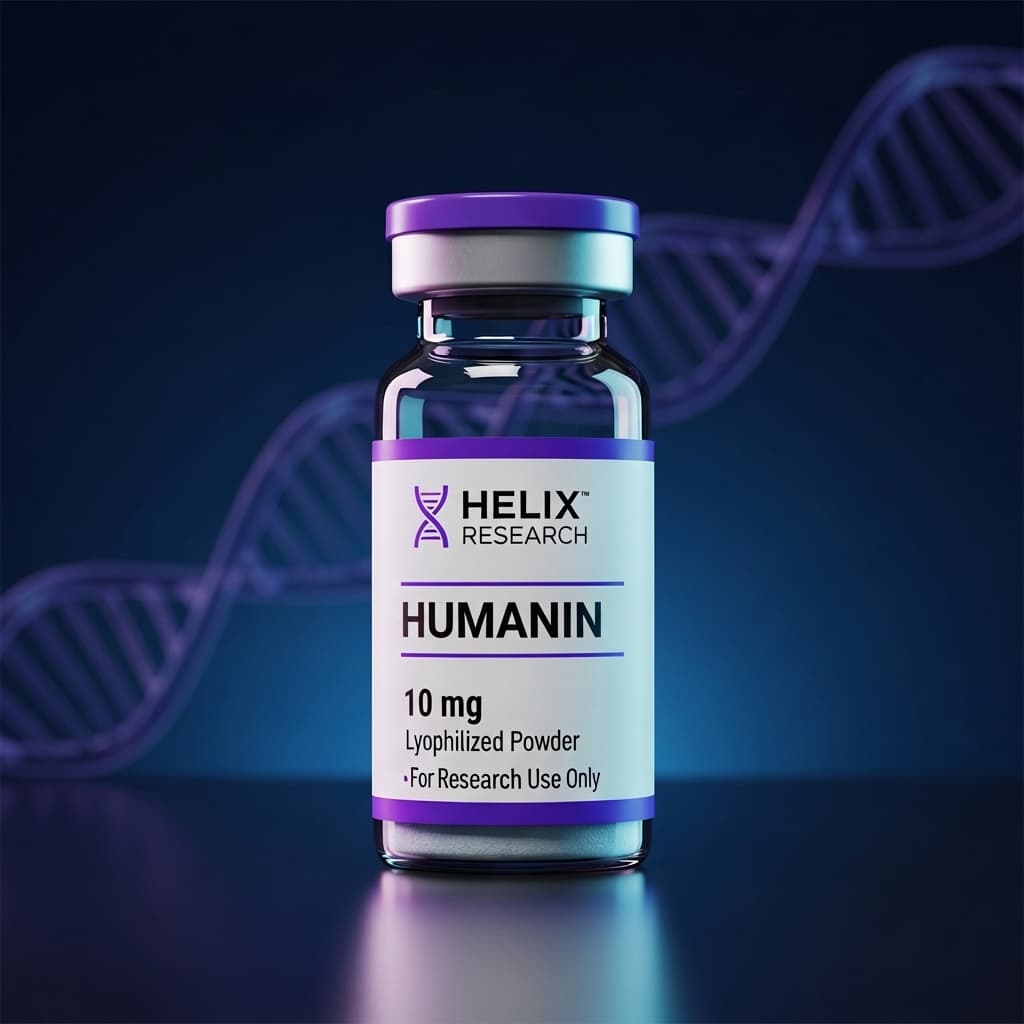
Up to 42% OffHumanin
Péptido mitocondrial estudiado para neuroprotección — elevado en centenarios
FOX04
Estudiado para la eliminación selectiva de células senescentes