Sin spam. Cancela en cualquier momento.
Análisis de Pureza HPLC
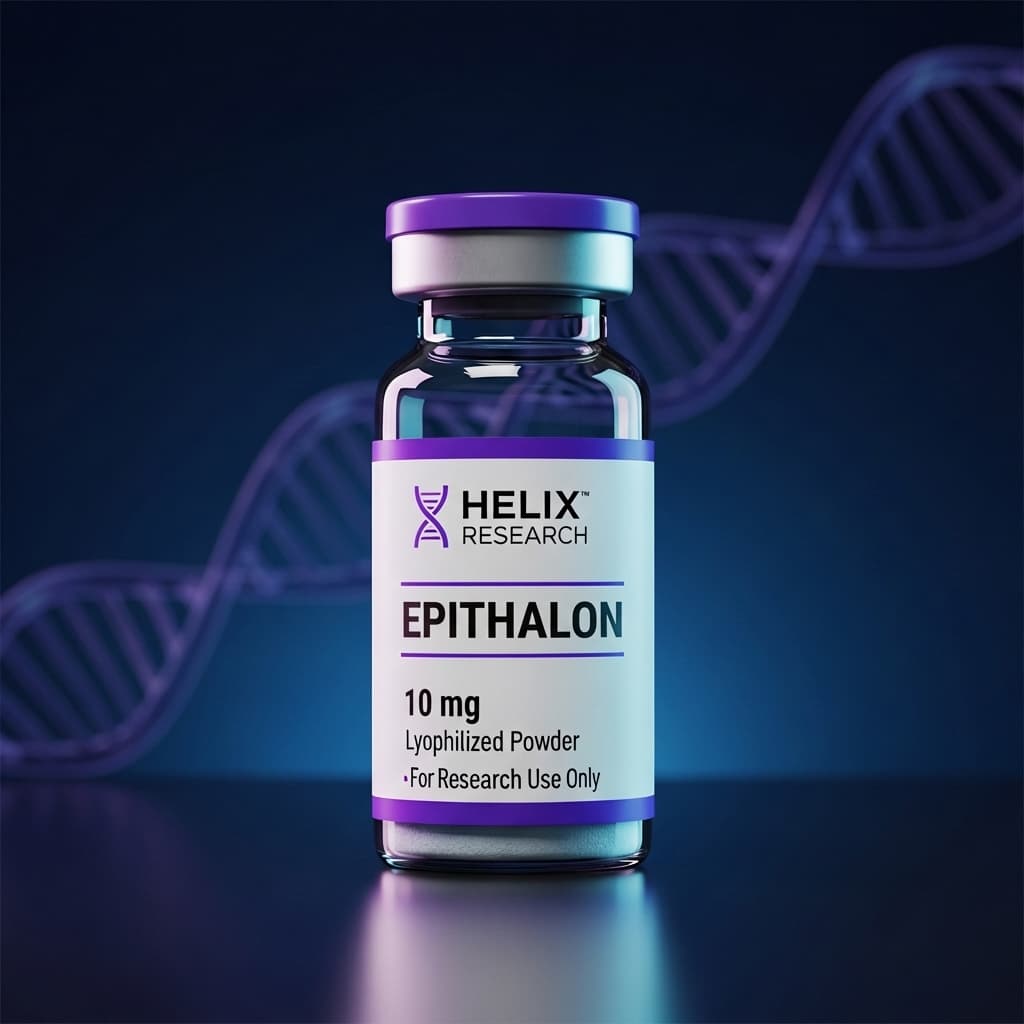
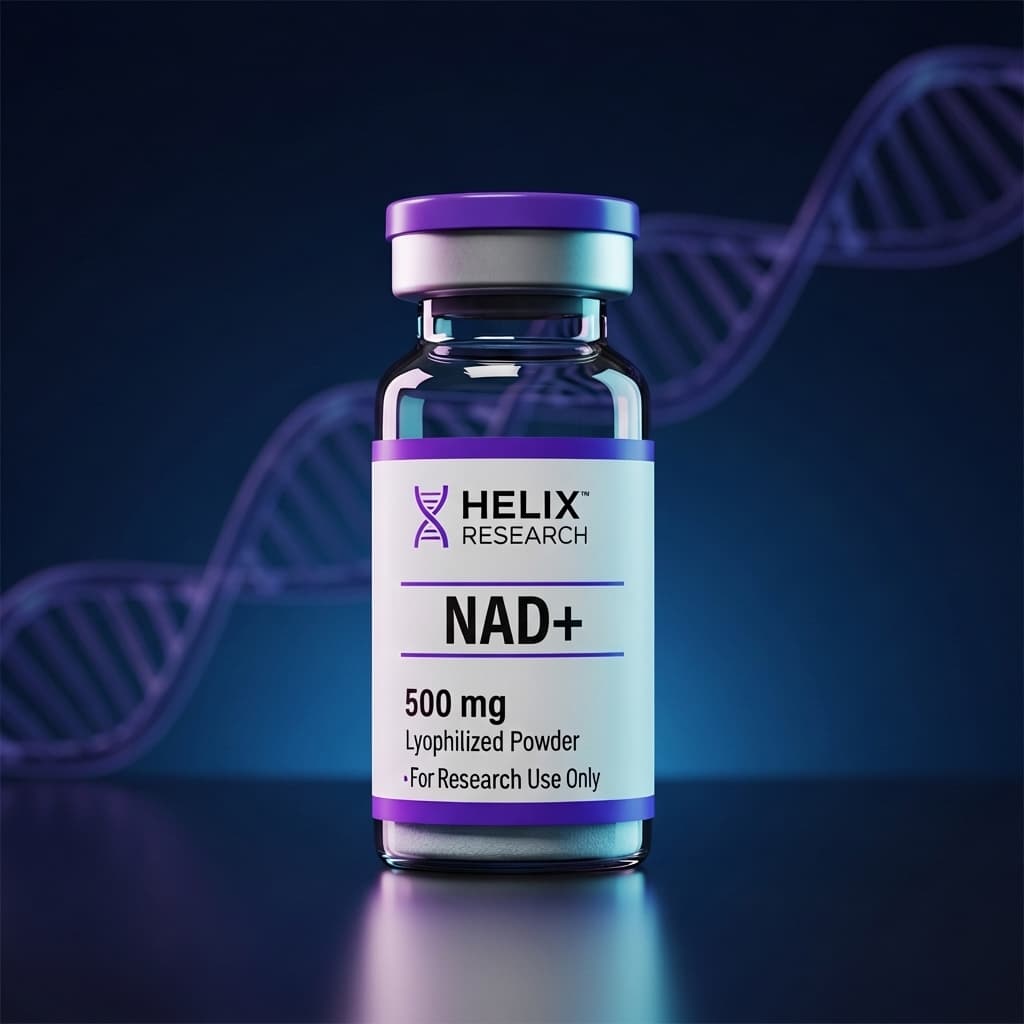
NAD+
CAS: 53-84-9
Estudiado para la restauración celular de NAD+ y activación de sirtuinas
NAD+ es un péptido de investigación en la categoría de anti-edad / longevidad. NAD+ es una coenzima esencial presente en todas las células vivas que sirve como transportador de electrones en reacciones redox metabólicas (glucólisis, ciclo TCA, fosforilación oxidativa) y como sustrato para enzimas consumidoras de NAD+ incluyendo sirtuinas (SIRT1-7), PARPs y CD38. MiPeptidos ofrece NAD+ en 3 tamaños con 99.3% de pureza verificada y documentación analítica completa.
- Mayor claridad mental
- Notablemente más energía
- Mejor recuperación del ejercicio
- Sueño más profundo y reparador
Dentro de las primeras 1-2 semanas, los estudios comúnmente reportan mejora en la claridad mental, mejores niveles de energía y reducción de la niebla mental a medida que se rellenan las reservas celulares de NAD+. Entre las semanas 3-6, la investigación sugiere mejor capacidad de ejercicio, mejor calidad de sueño y mejor función metabólica a medida que las enzimas sirtuinas se activan. Las semanas 7-12 traen mejoras sostenidas en la vitalidad general y resiliencia.
$54.95/vial · Everything you need to start
Sin spam. Cancela en cualquier momento.
Análisis de Pureza HPLC
Recharge Every Cell.
12-week NAD+ restoration protocol backed by David Sinclair's research and 6 landmark studies
NAD+ (nicotinamide adenine dinucleotide) is the most critical coenzyme in cellular metabolism — present in every living cell and required for over 500 enzymatic reactions. It serves dual roles: as an electron carrier in energy production (glycolysis, TCA cycle, oxidative phosphorylation) and as a consumed substrate for NAD+-dependent enzymes including sirtuins (SIRT1-7), PARPs, and CD38.
Resultados Publicados
Revisado por ParesResultados cuantificables de investigación clínica publicada.
Lo que Dicen los Expertos
4 MédicosProfesionales e investigadores líderes que han estudiado y prescrito este péptido.
Dr. David Sinclair
Professor of Genetics, Harvard Medical School
Co-Director, Paul F. Glenn Center for Biology of Aging Research. Author of 'Lifespan: Why We Age and Why We Don't Have To.' Named one of TIME's 100 Most Influential People. Over 200 publications, h-index >150.
NAD+ is one of the most important molecules in the body. Without it, we'd be dead in 30 seconds. We've shown that raising NAD+ levels in old mice makes them look and act young again — restoring mitochondrial function, muscle endurance, and insulin sensitivity.
Advocates for NAD+ repletion as a cornerstone of longevity intervention. His lab demonstrated that restoring NAD+ levels in aged mice produces dramatic metabolic improvements. Notes that direct subcutaneous NAD+ supplementation achieves rapid tissue repletion.
Fuente: Lifespan (ISBN: 978-1501191978); Cell (2013) 155(7):1624-1638
Dr. Charles Brenner
Chair of Biochemistry, City of Hope National Medical Center
Discovered the nicotinamide riboside kinase pathway. World's leading authority on NAD+ metabolism. Alfred Bader Award recipient. Over 150 publications on NAD+ biology.
NAD+ is not simply a redox cofactor — it is a consumed substrate for sirtuins, PARPs, and CD38. The age-related decline in NAD+ is driven by increased consumption, primarily by CD38 in inflammatory macrophages, not by decreased synthesis.
Emphasizes that NAD+ homeostasis depends on the balance between synthesis and consumption. Notes that direct subcutaneous NAD+ injection bypasses conversion bottlenecks and achieves faster tissue repletion.
Fuente: Current Opinion in Biotechnology (2013); Nature Reviews Molecular Cell Biology (2020)
Dr. Eric Verdin
President and CEO, Buck Institute for Research on Aging
Professor of Medicine at UCSF. Pioneer in sirtuin biology and NAD+ metabolism. Over 200 publications. Identified key roles of mitochondrial sirtuins in aging.
Sirtuins are NAD+-dependent deacylases that serve as metabolic sensors. When NAD+ drops, sirtuin activity drops — and the entire epigenetic landscape destabilizes. Restoring NAD+ is restoring the cell's ability to maintain its identity.
Advocates for NAD+ repletion to support sirtuin-mediated epigenetic maintenance. Notes SIRT1, SIRT3, and SIRT6 are particularly sensitive to NAD+ availability and regulate lifespan-relevant pathways in multiple model organisms.
Fuente: Molecular Cell (2012); Science (2011); Cell Metabolism (2014)
Dr. Peter Attia
Physician, Founder of Attia Medical PC
MD from Stanford. Host of 'The Drive' podcast. Author of 'Outlive: The Science and Art of Longevity.' Specialist in longevity medicine and metabolic optimization.
The NAD+ story is one of the most compelling in all of aging biology. I use subcutaneous NAD+ in my practice. The data on its role in DNA repair, mitochondrial function, and sirtuin activation is robust across multiple model systems.
Incorporates subcutaneous NAD+ in clinical practice for patients over 40. Recommends 250-500 mg subcutaneous injection for direct tissue repletion. Notes the importance of monitoring inflammatory markers (CD38 activity drives NAD+ consumption).
Fuente: The Peter Attia Drive Podcast: AMA #33, NAD+ Deep Dive episodes
Protocolo de Dosificación
3 FasesRégimen de dosificación paso a paso compilado de profesionales líderes e investigación clínica.
Rapid tissue NAD+ repletion during the initial loading window. NAD+ has a short plasma half-life (~30-45 minutes), but subcutaneous depot provides sustained release from the injection site. Inject slowly to minimize injection site discomfort. May experience mild flushing or warmth.
Tissue NAD+ pools have been replenished during loading; reduced frequency maintains levels. Sirtuin and PARP activity should be at optimal substrate availability. Rotate injection sites to minimize lipodystrophy.
Long-term NAD+ maintenance to counter age-related decline. Adjust frequency based on subjective energy levels and biomarker response.
Add 2 mL bacteriostatic water to 500 mg vial = 250 mg/mL. 250 mg = 100 units (1 mL) on insulin syringe. Dissolves readily; solution should be clear and colorless.
NAD+ can be used continuously as it is an endogenous metabolite. However, periodic breaks (2-4 weeks off every 12-16 weeks) allow assessment of baseline function and may optimize cost-effectiveness. No receptor desensitization concerns.
Lyophilized: -20°C for 24+ months. Reconstituted: 2-8°C, use within 28 days. NAD+ is light-sensitive — store in amber vial or protect from UV. Avoid repeated freeze-thaw cycles.
Subcutaneous injection provides sustained tissue delivery via depot absorption. Inject into abdominal subcutaneous tissue, rotating sites to minimize lipodystrophy. Injection site reactions (mild stinging, erythema) are common and self-limiting. Inject slowly over 15-30 seconds.
Cronología de Recuperación
Basado en observaciones de investigación publicada. Los resultados individuales varían. Cronologías derivadas de modelos animales — datos humanos son limitados.
NAD+ Repletion & Metabolic Activation
- Tissue NAD+ levels begin rising within hours of first injection
- SIRT1 and SIRT3 activity increases as substrate becomes available
- Improved subjective mental clarity and energy often reported within 3-7 days
- PARP-mediated DNA repair capacity restored as NAD+ pools fill
- Mild flushing, warmth, or injection site discomfort during initial loading (self-limiting)
Base de investigación: Yoshino et al. (2011) Cell Metabolism; Sinclair lab NAD+ repletion kinetics
Mitochondrial & Sirtuin Optimization
- Mitochondrial biogenesis increases via SIRT1-PGC-1α axis activation
- Improved exercise capacity and reduced post-exertion fatigue
- Enhanced insulin sensitivity through SIRT1-mediated metabolic regulation
- Stabilized circadian rhythm and improved sleep quality (SIRT1 regulates CLOCK/BMAL1)
- Measurable changes in NAD+/NADH ratio on metabolomic testing
Base de investigación: Gomes et al. (2013) Cell; Yoshino et al. (2018) Cell Metabolism
Epigenetic & Genomic Benefits
- SIRT6-mediated histone deacetylation supports genomic stability
- Reduced markers of DNA damage (γH2AX foci) as PARP repair capacity normalizes
- Improved inflammatory biomarkers (NAD+ opposes CD38-driven inflammation)
- Enhanced stem cell function — NAD+ repletion rescues age-related stem cell decline in muscle and brain
- Progressive improvement in skin quality and recovery from physical stress
Base de investigación: Zhang et al. (2016) Science; Imai & Guarente (2014) Trends in Cell Biology
Long-Term Homeostatic Maintenance
- NAD+ pools stabilized at restored levels with maintenance dosing
- Cumulative benefits in mitochondrial density and function continue to accrue
- Transition to long-term maintenance protocol (2-3x/week subcutaneous)
- Consider periodic blood NAD+ levels to guide ongoing dosing optimization
Base de investigación: Rajman et al. (2018) Cell Metabolism; general NAD+ biology
Mecanismo de Acción
4 vías biológicas distintas a través de las cuales opera este péptido.
Sirtuin Activation (SIRT1-7)
NAD+ is the obligate co-substrate for all seven sirtuins — the master regulators of aging, metabolism, and genomic stability.
- SIRT1 deacetylates PGC-1α to drive mitochondrial biogenesis and metabolic efficiency
- SIRT3 deacetylates mitochondrial proteins, optimizing electron transport chain function
- SIRT6 maintains telomeric chromatin integrity and suppresses NF-κB inflammatory signaling
- All seven sirtuins lose activity as NAD+ declines with age — restoring NAD+ restores sirtuin function
Imai & Guarente (2014) Trends in Cell Biology; Sinclair lab publications
PARP-Mediated DNA Repair
PARP1 and PARP2 consume NAD+ to synthesize poly(ADP-ribose) chains that recruit DNA repair machinery to sites of DNA damage.
- PARP1 is the largest consumer of cellular NAD+ — activated by single- and double-strand DNA breaks
- NAD+ depletion impairs PARP activity, allowing DNA damage to accumulate with age
- Restoring NAD+ enables PARP to maintain genomic integrity, reducing mutation burden
- PARP and sirtuins compete for NAD+ — adequate supply is essential to support both pathways simultaneously
Rajman et al. (2018) Nat Rev Mol Cell Biol; Fang et al. (2017) Cell Metabolism
Mitochondrial Electron Transport Chain
NAD+ is the primary electron carrier in cellular respiration, shuttling electrons from metabolic substrates to the ETC for ATP synthesis.
- NADH delivers electrons to Complex I, driving proton pumping across the inner mitochondrial membrane
- NAD+/NADH ratio regulates the pace of glycolysis, TCA cycle, and oxidative phosphorylation
- Low NAD+ creates a pseudohypoxic state — HIF-1α activation despite adequate oxygen (Sinclair 2013)
- Restoring NAD+ normalizes mitochondrial oxygen consumption and ATP output within days
Gomes et al. (2013) Cell 155(7):1624-1638
CD38/NADase Counter-Regulation
CD38 is the dominant NAD+-consuming enzyme driving age-related NAD+ decline. Direct NAD+ supplementation overwhelms CD38-mediated degradation.
- CD38 expression increases 2-3x with age, primarily in inflammatory macrophages
- CD38 degrades both NAD+ and its precursors NMN/NR — the primary bottleneck in age-related NAD+ decline
- Direct subcutaneous NAD+ supplementation bypasses enzymatic conversion steps that CD38 also degrades
- Combining NAD+ with CD38 inhibitors (quercetin, apigenin) may further enhance tissue retention
Camacho-Pereira et al. (2016) Cell Metabolism 23(6):1127-1139
Investigación Publicada
6 estudios revisados por pares de PubMed. Haz clic en cualquier PMID para ver el estudio completo.
Declining NAD+ Induces a Pseudohypoxic State Disrupting Nuclear-Mitochondrial Communication during Aging
Gomes AP, Price NL, Ling AJY, Moslehi JJ, Montgomery MK, Rajman L, White JP, Teodoro JS, Wrann CD, Hubbard BP, Mercken EM, Palmeira CM, de Cabo R, Rolo AP, Turner N, Bell EL, Sinclair DA — Cell (2013)
Hallazgo Clave: NAD+ decline disrupts the SIRT1-HIF-1α axis, creating a pseudohypoxic state that impairs mitochondrial function. One week of NMN treatment in 22-month-old mice restored NAD+ levels and mitochondrial parameters to those of 6-month-old animals.
Nicotinamide Mononucleotide, a Key NAD+ Intermediate, Treats the Pathophysiology of Diet- and Age-Induced Diabetes in Mice
Yoshino J, Mills KF, Yoon MJ, Imai SI — Cell Metabolism (2011)
Hallazgo Clave: NMN administration restored NAD+ biosynthesis, enhanced hepatic insulin sensitivity, and normalized glucose tolerance in aged and diet-induced diabetic mice. Confirmed that age-related NAD+ decline is a treatable metabolic defect.
NAD+ repletion improves mitochondrial and stem cell function and enhances life span in mice
Zhang H, Ryu D, Wu Y, Gariani K, Wang X, Luan P, D'Amico D, Ropelle ER, Lutolf MP, Aebersold R, Schoonjans K, Menzies KJ, Auwerx J — Science (2016)
Hallazgo Clave: NAD+ repletion via NR improved mitochondrial function, restored muscle and neural stem cell pools, and extended murine lifespan. Demonstrated that age-related stem cell exhaustion is driven by NAD+ decline and is reversible.
NAD+ Metabolism and Its Roles in Cellular Processes during Ageing
Rajman L, Chwalek K, Sinclair DA — Nature Reviews Molecular Cell Biology (2018)
Hallazgo Clave: Comprehensive review establishing NAD+ decline as a hallmark of aging. NAD+ falls ~50% between ages 40-60 in human tissue. Identified CD38 upregulation in inflammatory macrophages as the primary driver of age-related NAD+ consumption.
Effect of oral nicotinamide mononucleotide (NMN) on healthy middle-aged and older adults: a randomized, double-blind, placebo-controlled trial
Yi L, Maier AB, Tao R, Lin Z, Vaidya A, Pendse S, Thasma S, Andhalkar N, Graves G, Shi S, Niu Y, Niu G, Hong J — GeroScience (2023)
Hallazgo Clave: First large-scale (n=80) human RCT of NAD+ precursor supplementation. 300 mg NMN daily for 60 days significantly increased blood NAD+ levels, improved walking endurance (6-minute walk distance), and reduced biological age markers vs placebo.
CD38 Dictates Age-Related NAD Decline and Mitochondrial Dysfunction through an SIRT3-Dependent Mechanism
Camacho-Pereira J, Tarragó MG, Chini CCS, Nin V, Escande C, Warner GM, Puranik AS, Schoon RA, Reid JM, Galina A, Chini EN — Cell Metabolism (2016)
Hallazgo Clave: Identified CD38 as the primary enzyme responsible for age-related NAD+ decline. CD38 expression increases 2-3 fold with age in multiple tissues. CD38 knockout mice are protected from age-related NAD+ decline and mitochondrial dysfunction.
Potencia tu Protocolo de Investigación
4 SinergiasLa investigación sugiere combinar NAD+ con estos péptidos para mecanismos complementarios.

NAD+ restores sirtuin and PARP activity while Epithalon activates telomerase — addressing the two most validated molecular longevity targets simultaneously.
Comprehensive molecular longevity support: protect the genome (NAD+/PARP), maintain epigenetic identity (NAD+/sirtuins), and prevent telomere attrition (Epithalon). The foundational longevity kit.

NAD+ drives mitochondrial function, which increases electron transport chain activity and reactive oxygen species as a byproduct. Glutathione neutralizes this oxidative load.
Optimizes the risk/benefit ratio of enhanced mitochondrial activity: maximizing ATP production while preventing oxidative damage to mitochondrial DNA, proteins, and lipid membranes.

SS-31 targets the inner mitochondrial membrane directly, complementing NAD+'s role as the electron carrier substrate within the same organelle.
Dual mitochondrial optimization: NAD+ ensures substrate availability for the ETC while SS-31 optimizes the membrane architecture that the ETC depends on. Synergistic improvement in ATP production efficiency.

Senescent cells are major consumers of NAD+ through elevated CD38 and PARP activity. Clearing them with FOXO4-DRI reduces NAD+ drain at the tissue level.
Removes the biggest source of NAD+ waste (senescent cells) while simultaneously replenishing the pool. The most metabolically rational approach to tissue rejuvenation.
Especificaciones
Cómo Funciona NAD+
NAD+ is an essential coenzyme present in all living cells that serves as an electron carrier in metabolic redox reactions (glycolysis, TCA cycle, oxidative phosphorylation) and as a substrate for NAD+-consuming enzymes including sirtuins (SIRT1-7), PARPs, and CD38. Sirtuins are NAD+-dependent deacetylases that regulate DNA repair, mitochondrial biogenesis, inflammation, and stress resistance. NAD+ levels decline with age, and restoring NAD+ activates these protective pathways, enhancing cellular energy production, DNA repair capacity, and stress resilience.
Aplicaciones de Investigación
Precios
| Tamaño | Por Vial | Paquete de 10 | Ahorro |
|---|---|---|---|
100mgOferta | $45.95$60.00 | $390.57 | 23% descuento |
500mgOferta | $74.95$120.00 | $637.07 | 38% descuento |
1000mgMejor ValorOferta | $49.95$140.00 | $424.57 | 64% descuento |
Precios de paquete de 10 mostrados. Descuentos por volumen para 50+ viales — contáctenos.
Certificado de Análisis
Este COA es una muestra representativa. Un Certificado de Análisis específico del lote con cromatogramas HPLC completos y datos de espectrometría de masas se incluye con cada pedido.
Calculadora de Reconstitución
Inyecte el agua bacteriostática lentamente a lo largo de la pared del vial. Agite suavemente hasta disolver — nunca sacuda. Almacene la solución reconstituida a 2-8°C y use dentro de 30 días.
Reseñas de Clientes
Preguntas Frecuentes
Seguridad y Advertencias
Not FDA-approved as an injectable therapeutic
NAD+ is classified as a research compound when sold in injectable form. All injectable use information is for research and educational purposes only.
Potential concern with active malignancy
Cancer cells have high NAD+ demand for rapid proliferation and PARP-mediated survival. Theoretically, NAD+ supplementation could support tumor metabolism. Contraindicated with known or suspected active cancer until further data is available.
Solo para Fines de Investigación y Educación. No es consejo médico. No para consumo humano. Consulte a un médico autorizado antes de tomar cualquier decisión relacionada con la salud.
Péptidos Relacionados
Up to 40% OffEpithalon
Estudiado para la activación de telomerasa y mantenimiento de telómeros
Up to 21% OffMOTS-c
Mimético del ejercicio derivado de mitocondrias estudiado para la salud metabólica
Up to 42% OffHumanin
Péptido mitocondrial estudiado para neuroprotección — elevado en centenarios
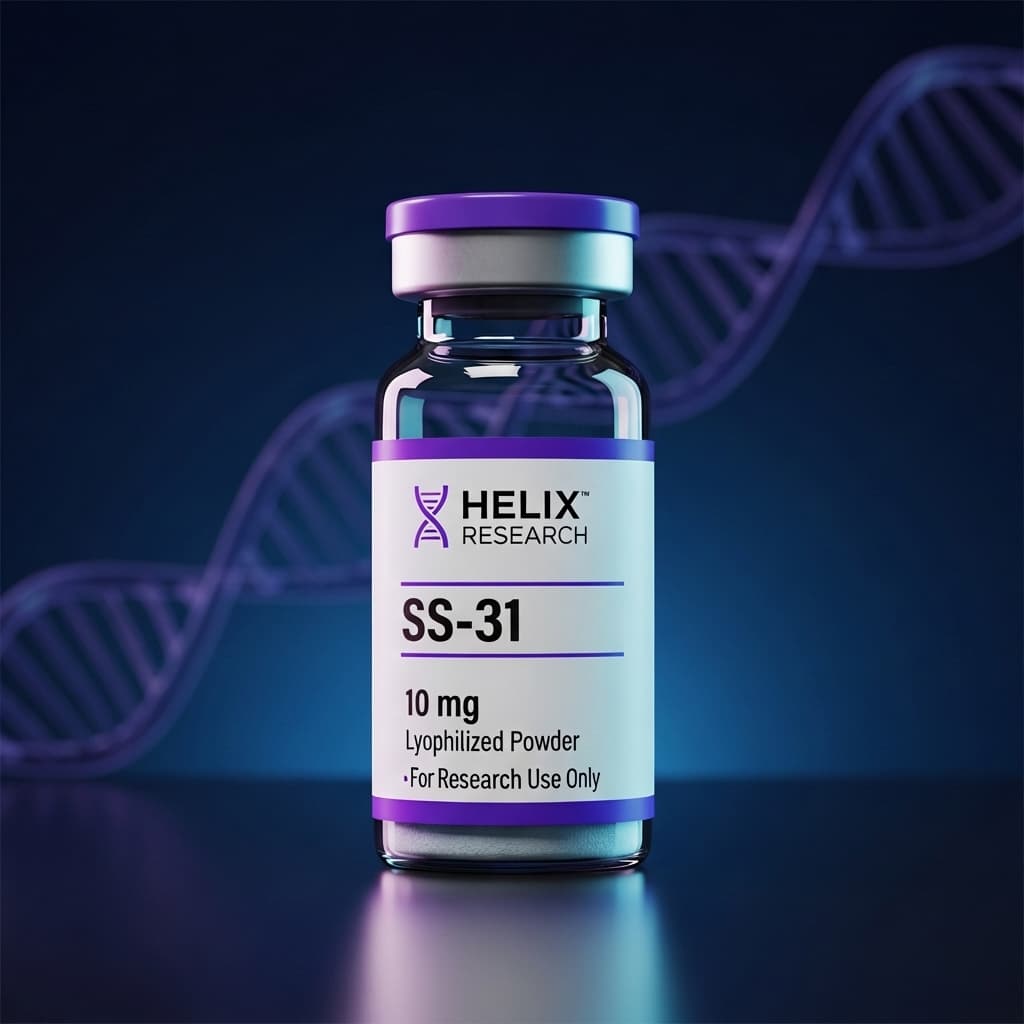
SS-31
Estudiado para la estabilización de cardiolipina y reparación mitocondrial