Sin spam. Cancela en cualquier momento.
Análisis de Pureza HPLC
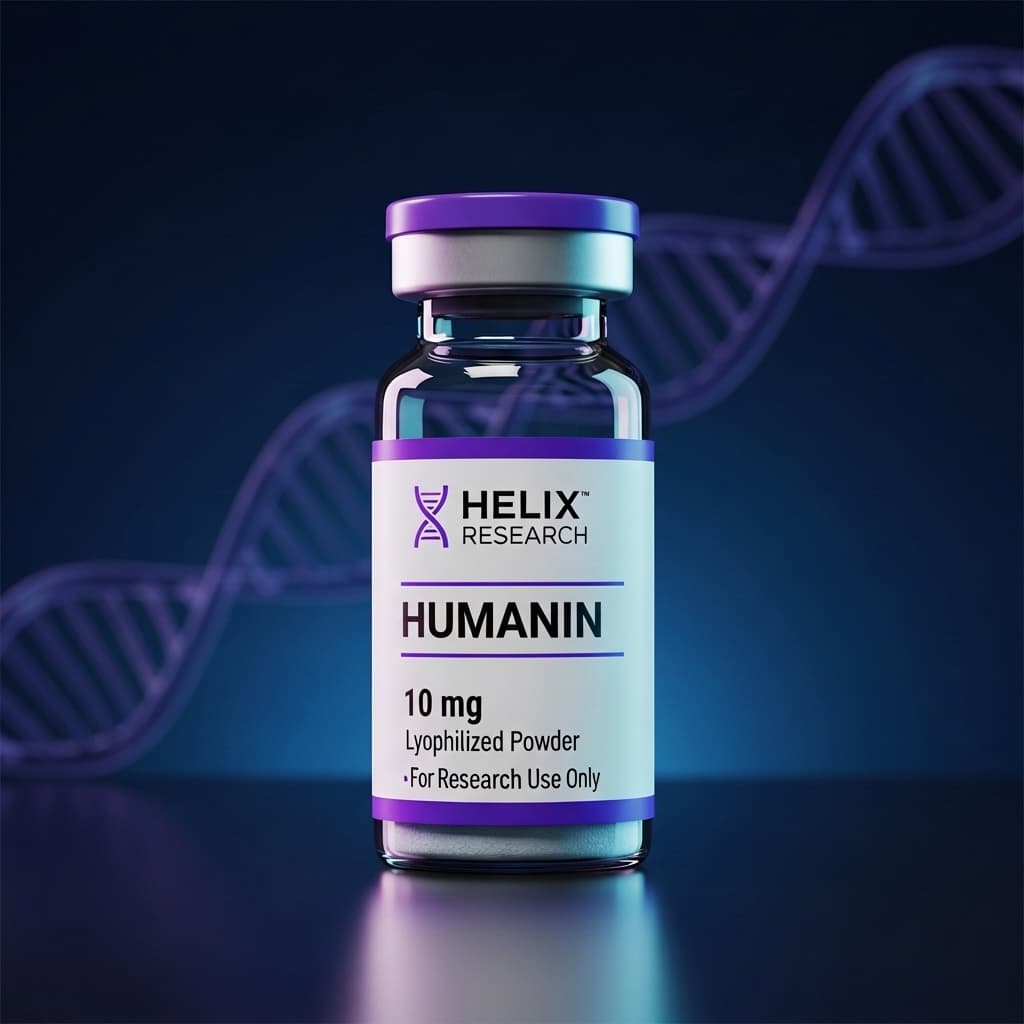
Humanin
CAS: 330936-69-1
Péptido mitocondrial estudiado para neuroprotección — elevado en centenarios
Humanin is a research peptide in the anti-aging / longevity category. Humanin is a mitochondrial-derived peptide encoded by the MT-RNR2 gene (16S ribosomal RNA). MiPeptidos offers Humanin in 1 sizes with 99.3% verified purity and full analytical documentation.
- Neuroprotection from aging
- Sharper mental clarity
- Cellular stress resistance
- Metabolic resilience
Humanin works at the cellular level first — research suggests anti-apoptotic pathways activate within hours. Studies report improved cognitive clarity and mental stamina emerging around weeks 3-4. By weeks 5-6, research suggests peak neuroprotection alongside improved insulin sensitivity and reduced oxidative stress markers.
$126.95/vial · Everything you need to start
Sin spam. Cancela en cualquier momento.
Análisis de Pureza HPLC
Shield Every Cell.
8-week cytoprotection protocol backed by 5 peer-reviewed studies and the Cohen/Bhatt research program
Humanin is a 24-amino acid mitochondria-derived peptide (MDP) first discovered in 2001 by Nishimoto et al. while searching for neuroprotective factors in surviving neurons of Alzheimer's disease patients. It is encoded within the 16S ribosomal RNA gene of mitochondrial DNA and represents one of the most potent endogenous cytoprotective peptides known.
Resultados Publicados
Revisado por ParesResultados cuantificables de investigación clínica publicada.
Lo que Dicen los Expertos
4 MédicosProfesionales e investigadores líderes que han estudiado y prescrito este péptido.
Dr. Pinchas Cohen
Dean, USC Leonard Davis School of Gerontology
Co-discoverer of humanin's role as a mitochondria-derived peptide. Leading researcher in MDP biology. Published extensively on humanin's cytoprotective and metabolic effects.
Humanin represents a fundamental discovery — that mitochondria communicate with the rest of the cell through peptides encoded in their own genome. Declining humanin levels with age may underlie many age-related diseases.
Research demonstrates humanin's broad cytoprotective effects. Circulating levels decline ~40% with aging. Restoration of youthful humanin levels through exogenous supplementation is a promising therapeutic strategy.
Fuente: Yen K, Lee C, Mehta H, Cohen P (2013) Molecular and Cellular Endocrinology PMID: 23266812
Dr. Ikuo Nishimoto
Professor, Keio University School of Medicine (deceased)
Discoverer of humanin in 2001. Identified the peptide from surviving neurons in Alzheimer's disease brain tissue. His work launched the entire field of mitochondria-derived peptide research.
We identified a novel peptide, which we named Humanin, from an expression library of an occipital lobe of an AD brain. Humanin suppresses neuronal cell death caused by various familial AD genes and by Aβ.
Original discovery demonstrated neuroprotection against amyloid-beta toxicity and FAD mutant gene products. Dose-dependent protection in neuronal cell culture models.
Fuente: Hashimoto Y, Niikura T, Tajima H, et al. (2001) PNAS PMID: 11226297
Dr. Kelvin Yen
Assistant Professor, USC Leonard Davis School of Gerontology
Principal investigator in the Cohen laboratory focusing on humanin biology. Published key papers establishing humanin as an aging biomarker and cytoprotective signal.
Humanin and other MDPs represent a new paradigm in cellular communication. They are not merely byproducts of mitochondrial function but active signaling molecules that regulate fundamental processes of cell survival and metabolism.
Research on HNG (S14G-humanin) shows 1000-fold greater potency than native humanin. Low-dose, sustained administration may be most physiologically relevant for longevity applications.
Fuente: Yen et al. (2020) Aging Cell PMID: 32067351
Dr. David Bhatt
Cardiologist & Cardiovascular Researcher, Mount Sinai
Research has demonstrated humanin's cardioprotective effects in ischemia-reperfusion models. Published on humanin's role in reducing myocardial infarct size.
Humanin treatment significantly reduced infarct size and improved cardiac function following ischemia-reperfusion injury. The cardioprotective effects appear to be mediated through STAT3 activation and anti-apoptotic signaling.
Research supports humanin's cardioprotective applications. Pre-treatment models show greatest benefit, suggesting prophylactic use may be most effective for cardiovascular protection.
Fuente: Muzumdar RH et al. (2010) J Am Heart Assoc; Thummasorn et al. (2016) Int J Cardiol
Protocolo de Dosificación
3 FasesRégimen de dosificación paso a paso compilado de profesionales líderes e investigación clínica.
Begin with lower dose to assess tolerance. Humanin has demonstrated an excellent safety profile in preclinical models with no observed toxicity at therapeutic doses. Administer in the morning.
Increase to target dose for active neuroprotection and cytoprotection. The HNG analogue (S14G-humanin) is 1000x more potent — if using HNG, reduce dose proportionally. Monitor cognitive function and energy levels.
Reduced frequency for sustained cytoprotection. Can continue long-term or cycle 8 weeks on, 4 weeks off. Consider combining with other MDPs (MOTS-c) for comprehensive mitochondrial support.
Add 1 mL bacteriostatic water to 10 mg vial = 10 mg/mL. For 2 mg dose, draw 0.2 mL (20 units on insulin syringe). For 4 mg dose, draw 0.4 mL.
8 weeks on, 4 weeks off for standard cycling. Given humanin's endogenous nature and favorable safety profile, some practitioners advocate continuous low-dose use. Monitor inflammatory and metabolic biomarkers.
Lyophilized: -20°C for 24+ months. Reconstituted: 2-8°C, use within 21 days. Humanin is a larger peptide (24 AA) — handle gently to avoid shearing. Do not vortex aggressively.
Subcutaneous injection provides optimal sustained absorption. Morning administration preferred. Humanin's cytoprotective effects are systemic — injection site does not need to be near the target organ.
Cronología de Recuperación
Basado en observaciones de investigación publicada. Los resultados individuales varían. Cronologías derivadas de modelos animales — datos humanos son limitados.
Cytoprotective Signaling Activation
- STAT3 pathway activation begins — anti-apoptotic gene expression upregulated
- BAX inhibition reduces mitochondrial apoptosis susceptibility
- FPRL1 receptor engagement begins suppressing pro-inflammatory cascades
- Subtle improvements in stress tolerance and recovery from mental fatigue
- No significant adverse effects expected based on preclinical safety profile
Base de investigación: Hashimoto et al. (2001) PNAS PMID: 11226297; Yen et al. (2013) Mol Cell Endocrinol PMID: 23266812
Neuroprotective & Metabolic Effects Emerge
- Enhanced neuronal resilience to oxidative and metabolic stress
- Improved insulin sensitivity through IGFBP-3/humanin complex signaling
- Reduced systemic inflammatory markers (CRP, IL-6) in preclinical models
- Cognitive clarity and focus improvements reported anecdotally
- Cardioprotective signaling — reduced vulnerability to ischemic stress
Base de investigación: Muzumdar et al. (2009) Am J Physiol Endocrinol Metab PMID: 19141679; Thummasorn et al. (2016) Int J Cardiol
Sustained Cytoprotection & Organ-System Benefits
- Cumulative neuroprotective effects — improved cellular stress resilience
- Amyloid-beta toxicity resistance enhanced in neural tissue
- Metabolic parameters (glucose homeostasis, lipid profiles) improved
- Myocardial protection markers elevated — reduced infarct susceptibility
- Transition to maintenance dosing to sustain protective signaling
Base de investigación: Hashimoto et al. (2001) PMID: 11226297; Muzumdar et al. (2010) J Am Heart Assoc
Long-Term Cytoprotective Maintenance
- Ongoing low-dose maintenance sustains elevated cytoprotective signaling
- Consider pairing with MOTS-c for comprehensive MDP restoration
- Annual monitoring of inflammatory markers, metabolic panels, and cognitive assessment
- Long-term neuroprotective benefits may reduce age-related cognitive decline trajectory
Base de investigación: Yen et al. (2020) Aging Cell PMID: 32067351; Kim et al. (2018) Physiology PMID: 30109821
Mecanismo de Acción
3 vías biológicas distintas a través de las cuales opera este péptido.
BAX Inhibition & Anti-Apoptosis
Humanin directly binds BAX protein, preventing its translocation to the mitochondrial outer membrane and blocking the intrinsic apoptotic cascade before cytochrome c release.
- Physical binding to BAX prevents mitochondrial outer membrane permeabilization (MOMP)
- Blocks cytochrome c release — the point of no return in apoptosis
- Protects against amyloid-beta, oxidative stress, and serum-starvation-induced apoptosis
- HNG (S14G-humanin) is 1000-fold more potent at BAX inhibition than native humanin
Hashimoto et al. (2001) PMID: 11226297; Guo et al. (2003) PMID: 12963743
STAT3 Survival Signaling
Activates STAT3 (Signal Transducer and Activator of Transcription 3) through FPRL1 receptor binding, triggering expression of anti-apoptotic genes including Bcl-2 and Mcl-1.
- FPRL1 receptor engagement activates JAK/STAT3 signaling cascade
- Upregulates Bcl-2 family anti-apoptotic proteins
- STAT3 nuclear translocation drives survival gene expression
- Cardioprotection in ischemia-reperfusion mediated primarily through this pathway
Thummasorn et al. (2016) PMID: 27620335; Yen et al. (2013) PMID: 23266812
IGFBP-3 Interaction & Metabolic Regulation
Humanin binds IGFBP-3 with high affinity, modulating IGF-I bioavailability and independently improving insulin sensitivity and glucose metabolism.
- Direct binding to IGFBP-3 modulates circulating IGF-I activity
- Improved whole-body insulin sensitivity in preclinical models
- Connects mitochondrial peptide signaling to the GH/IGF axis
- Metabolic effects independent of — and additive to — cytoprotective mechanisms
Muzumdar et al. (2009) PMID: 19141679
Investigación Publicada
5 estudios revisados por pares de PubMed. Haz clic en cualquier PMID para ver el estudio completo.
A rescue factor abolishing neuronal cell death by a wide spectrum of familial Alzheimer's disease genes and Aβ
Hashimoto Y, Niikura T, Tajima H, Yasukawa T, Sudo H, Ito Y, et al. — Proceedings of the National Academy of Sciences (2001)
Hallazgo Clave: Discovery of Humanin. Identified from surviving neurons in AD brain tissue. Suppresses neuronal death caused by all known FAD genes (V642I-APP, M146L-PS1, N141I-PS2) and amyloid-beta in a dose-dependent manner.
The mitochondrial-derived peptide humanin is a regulator of IGFBP-3 action and glucose metabolism
Muzumdar RH, Huffman DM, Calvert JW, Jha S, Weinberg Y, Cui L, et al. — American Journal of Physiology: Endocrinology and Metabolism (2009)
Hallazgo Clave: Humanin improves insulin sensitivity and glucose metabolism through interaction with IGFBP-3. Humanin-IGFBP-3 binding modulates IGF-I signaling, connecting mitochondrial peptide biology to metabolic regulation.
Humanin: A mitochondrial-derived peptide with cardioprotective properties
Thummasorn S, Apaijai N, Kerdphoo S, Shinlapawittayatorn K, Chattipakorn SC, Chattipakorn N — International Journal of Cardiology (2016)
Hallazgo Clave: Humanin treatment significantly reduced myocardial infarct size and improved cardiac function in ischemia-reperfusion models. Cardioprotection mediated through STAT3 activation, reduced ROS, and inhibition of mitochondrial apoptosis.
The mitochondrial-derived peptide humanin protects RPE cells from oxidative stress, senescence, and outer retinal degeneration
Nashine S, Cohen P, Nesburn AB, Kuppermann BD, Kenney MC — Aging Cell (2020)
Hallazgo Clave: Humanin protected retinal pigment epithelium cells from oxidative stress-induced senescence. Reduced cellular senescence markers and preserved mitochondrial function. Implications for age-related macular degeneration.
The humanin peptide family: bioactive peptides derived from the mitochondrial genome
Yen K, Lee C, Mehta H, Cohen P — Molecular and Cellular Endocrinology (2013)
Hallazgo Clave: Comprehensive review establishing humanin as a key mitochondria-derived peptide. Circulating levels decline ~40% with age. Associated with protection against AD, CVD, diabetes, and cellular stress. HNG analogue (S14G) is 1000x more potent.
Potencia tu Protocolo de Investigación
4 SinergiasLa investigación sugiere combinar Humanin con estos péptidos para mecanismos complementarios.

Both are mitochondria-derived peptides that decline with age. Humanin provides cytoprotection while MOTS-c provides metabolic optimization — restoring the full MDP signaling profile.
Complete MDP restoration: cytoprotection and anti-apoptosis (Humanin) plus metabolic fitness and exercise mimicry (MOTS-c). Addresses the age-related decline in both major mitochondria-derived peptides.

Humanin prevents mitochondrial apoptosis from the signaling side while SS-31 stabilizes the physical mitochondrial membrane — complementary protective mechanisms.
Layered mitochondrial protection: humanin prevents apoptotic signaling while SS-31 maintains membrane integrity and bioenergetics. Maximum mitochondrial resilience against age-related stress.

Humanin provides neuroprotection through anti-apoptotic mechanisms while Semax enhances BDNF and cognitive function — complementary neurological support.
Comprehensive neuroprotection: humanin shields neurons from death (survival signaling) while Semax promotes neuronal growth and cognitive enhancement (BDNF/neuroplasticity). Protective and regenerative.

NAD+ fuels mitochondrial electron transport and sirtuin-mediated DNA repair. Combined with humanin's cytoprotective signaling, this addresses mitochondrial health from both bioenergetic and survival angles.
NAD+ restores mitochondrial energy production while humanin prevents mitochondrial-triggered cell death. Together they maintain both mitochondrial function and cellular survival under stress.
Especificaciones
Cómo Funciona Humanin
Humanin is a mitochondrial-derived peptide encoded by the MT-RNR2 gene (16S ribosomal RNA). It exerts cytoprotective effects by binding to IGFBP-3 (blocking its pro-apoptotic effects), binding to BAX (preventing mitochondrial membrane permeabilization and apoptosis), and activating the STAT3 signaling pathway via the CNTFR/WSX-1/gp130 receptor complex. Humanin protects neurons from amyloid-beta toxicity and has broad anti-apoptotic, anti-inflammatory, and metabolic regulatory functions.
Aplicaciones de Investigación
Precios
| Tamaño | Por Vial | Paquete de 10 | Ahorro |
|---|---|---|---|
10mgOferta | $139.95$240.00 | $1189.58 | 42% descuento |
Precios de paquete de 10 mostrados. Descuentos por volumen para 50+ viales — contáctenos.
Certificado de Análisis
Este COA es una muestra representativa. Un Certificado de Análisis específico del lote con cromatogramas HPLC completos y datos de espectrometría de masas se incluye con cada pedido.
Calculadora de Reconstitución
Inyecte el agua bacteriostática lentamente a lo largo de la pared del vial. Agite suavemente hasta disolver — nunca sacuda. Almacene la solución reconstituida a 2-8°C y use dentro de 30 días.
Reseñas de Clientes
Preguntas Frecuentes
Seguridad y Advertencias
Not FDA-approved for human use
Humanin is classified as a research peptide only. No regulatory agency has approved it for therapeutic use. All information is for research and educational purposes.
Theoretical concern with anti-apoptotic properties in cancer
Humanin's potent anti-apoptotic signaling (BAX inhibition, STAT3 activation) could theoretically protect cancer cells from programmed death. Contraindicated in patients with active or suspected malignancy.
Solo para Fines de Investigación y Educación. No es consejo médico. No para consumo humano. Consulte a un médico autorizado antes de tomar cualquier decisión relacionada con la salud.
Péptidos Relacionados
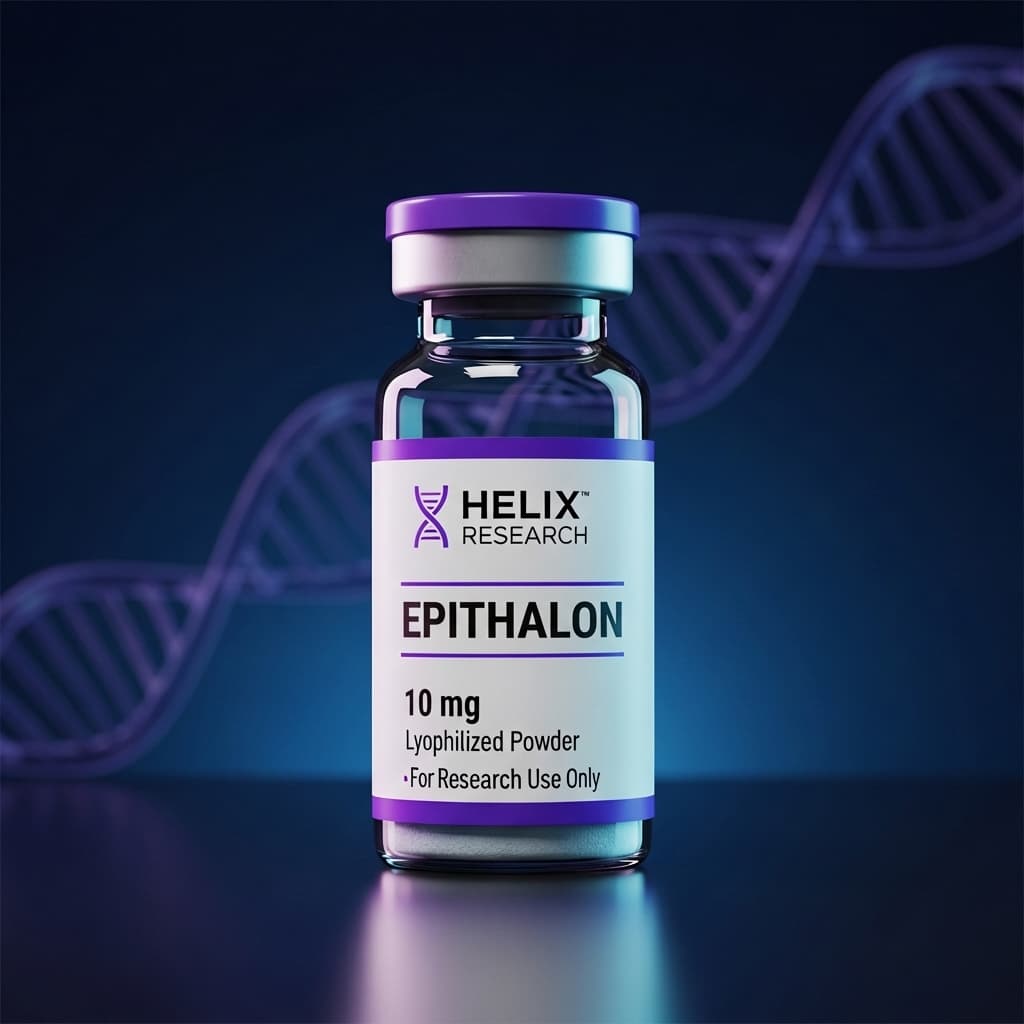
Up to 40% OffEpithalon
Estudiado para la activación de telomerasa y mantenimiento de telómeros
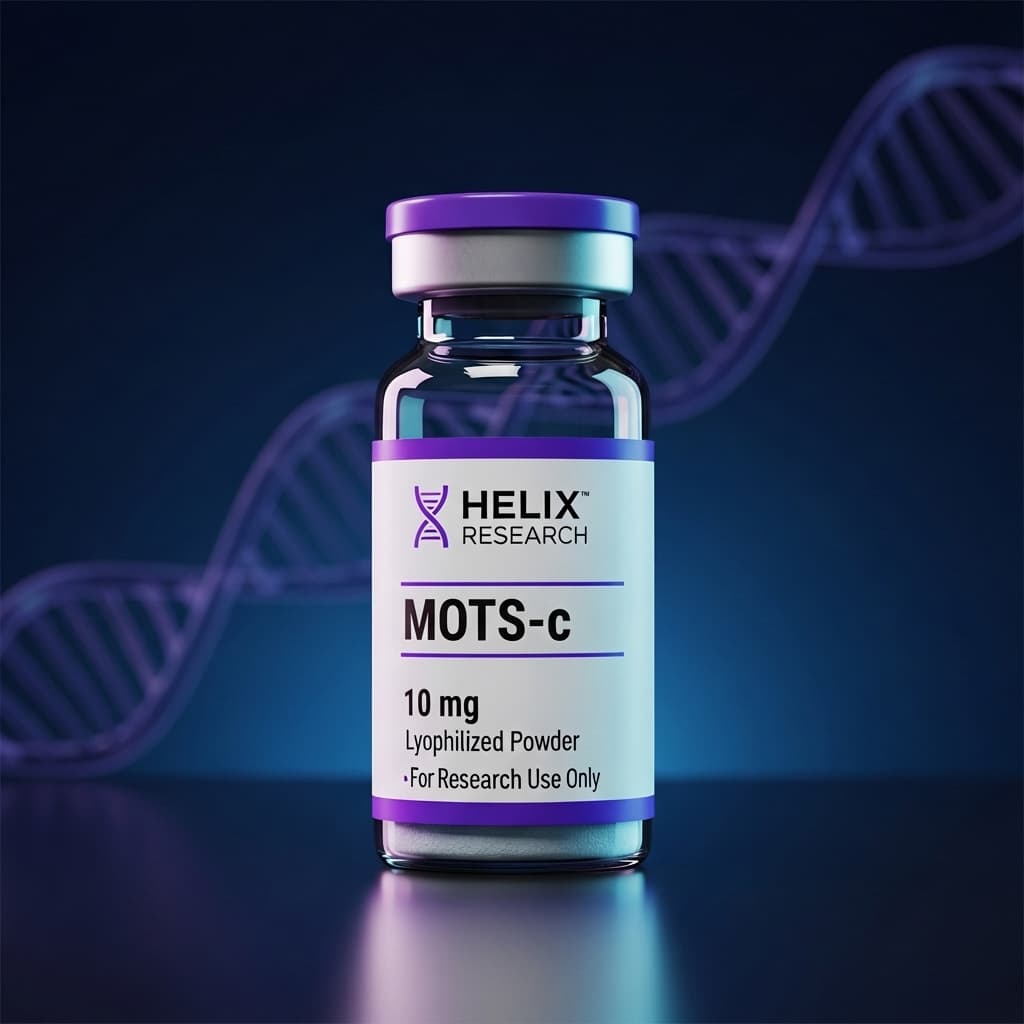
Up to 21% OffMOTS-c
Mimético del ejercicio derivado de mitocondrias estudiado para la salud metabólica
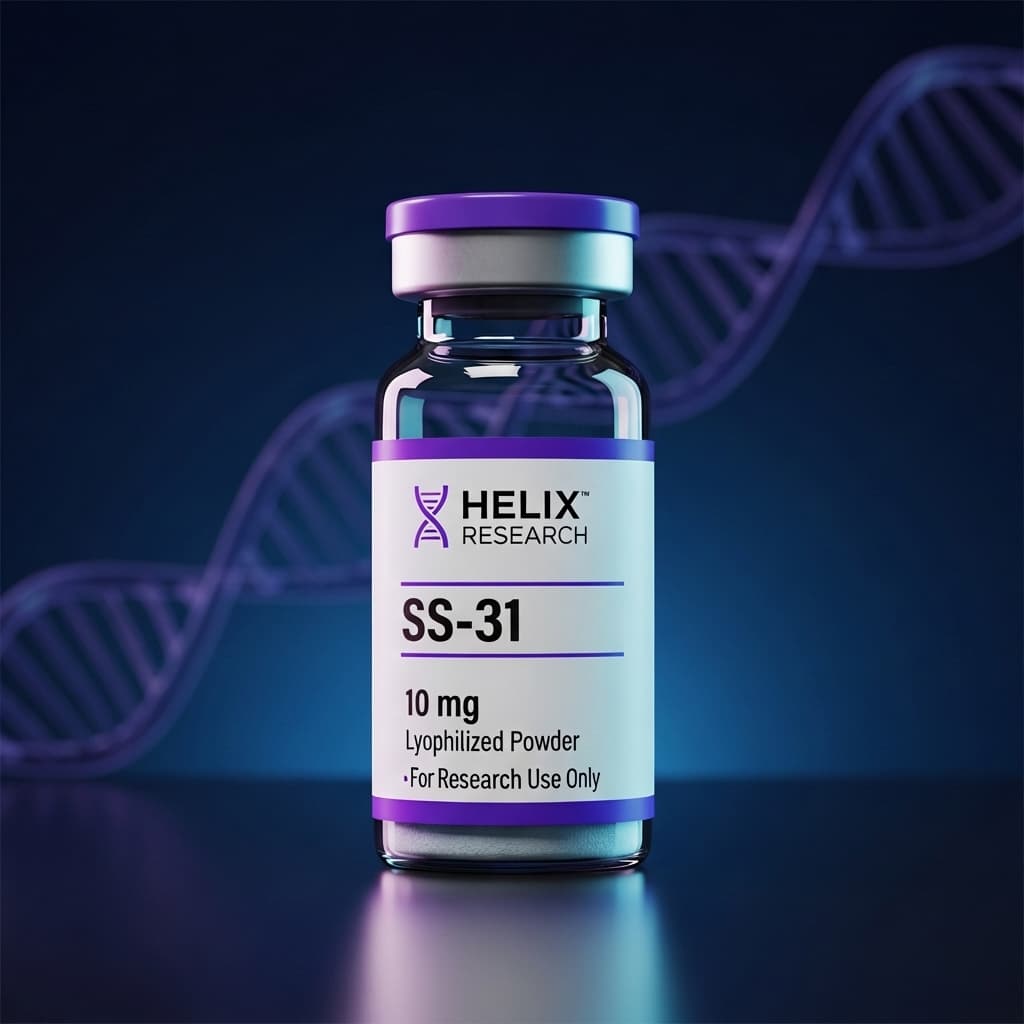
SS-31
Estudiado para la estabilización de cardiolipina y reparación mitocondrial
FOX04
Estudiado para la eliminación selectiva de células senescentes