No spam. Unsubscribe anytime.
Batch purity, right where researchers look for it.
Each included compound carries its own HPLC result, batch reference, and testing date so the research brief is backed by real analytical proof.
BPC 157
Purity (HPLC)
GHK-Cu
Purity (HPLC)
TB500
Purity (HPLC)
Dermal Matrix Research Kit
Three compounds frequently discussed around dermal repair biology
A dermal research kit built around angiogenic signaling, matrix remodeling, and migration-related biology.
Research Use Only. These kits are intended for laboratory research purposes only. Not for human consumption. Public-page summaries reflect published literature and analytical documentation, not human-use instructions or treatment claims.
Built from published research, not guesswork.
Every public research kit now leads with the proof: cited studies, PMIDs, tracked signals, and batch-level documentation across each component.
What is inside the kit, structurally
Core chemistry details pulled from each included compound so the page feels like a real research profile, not a generic bundle card.
BPC 157
CAS: 137525-51-0BPC-157 is a synthetic 15-amino acid fragment derived from human gastric body protection compound. It promotes angiogenesis by upregulating VEGF and its receptor VEGFR2, activates the FAK-paxillin pathway to enhance cell migration and wound closure, and modulates the nitric oxide system. It also interacts with the dopaminergic system and has cytoprotective effects on gastrointestinal mucosa, tendons, ligaments, and other connective tissues.
GHK-Cu
CAS: 49557-75-7GHK-Cu is a naturally occurring copper-binding tripeptide found in human plasma, saliva, and urine. It functions as a signaling molecule that resets gene expression to a healthier state, upregulating genes involved in antioxidant defense, DNA repair, and tissue remodeling while downregulating inflammatory and tissue-destructive genes. It stimulates collagen synthesis, glycosaminoglycan production, and angiogenesis. The copper ion is essential for activating copper-dependent enzymes like lysyl oxidase (collagen cross-linking) and superoxide dismutase.
TB500
CAS: 77591-33-4 (Thymosin Beta-4); 885340-08-9 (synthetic TB-500 fragment)TB-500 (synthetic thymosin beta-4) is studied for its role in actin dynamics, a core process that helps cells migrate, reorganize, and respond to repair signals. Published literature has examined its interaction with angiogenic signaling, inflammatory pathways, and tissue-remodeling biology across multiple preclinical models. The active region LKKTETQ is considered central to its actin-binding activity.
Published study parameters
Typical dose ranges, intervals, and administration routes cited in the literature for the compounds in this kit.
BPC-157 and TB500 work systemically via subcutaneous injection. GHK-Cu can be applied topically or injected subcutaneously depending on target area. Published dermatological protocols reference topical GHK-Cu combined with subcutaneous BPC-157 and TB500 as the most studied approach for facial tissue.
BPC 157
MorningGHK-Cu
EveningTB500
Any timeThese are publication-style study parameters summarized from cited literature and investigational designs. They are provided as research context only, not as human-use instructions or recommendations.
Why these compounds are paired in the literature
Plain-English summaries of the mechanisms and published pairings that make this kit coherent for real research work.
Research shows BPC-157 promotes angiogenesis, increasing blood supply delivery of nutrients and oxygen to tissue — a foundational mechanism in skin repair studies (PMID: 29356623).
GHK-Cu is among the most extensively studied skin peptides in literature, shown to stimulate collagen synthesis, activate tissue remodeling genes, and support dermal matrix integrity (PMID: 29658712).
Studies demonstrate TB500 promotes cellular migration to damaged tissue and modulates inflammatory responses — mechanisms relevant to reducing erythema and scar formation in research models (PMID: 20816543).
What's in This Kit
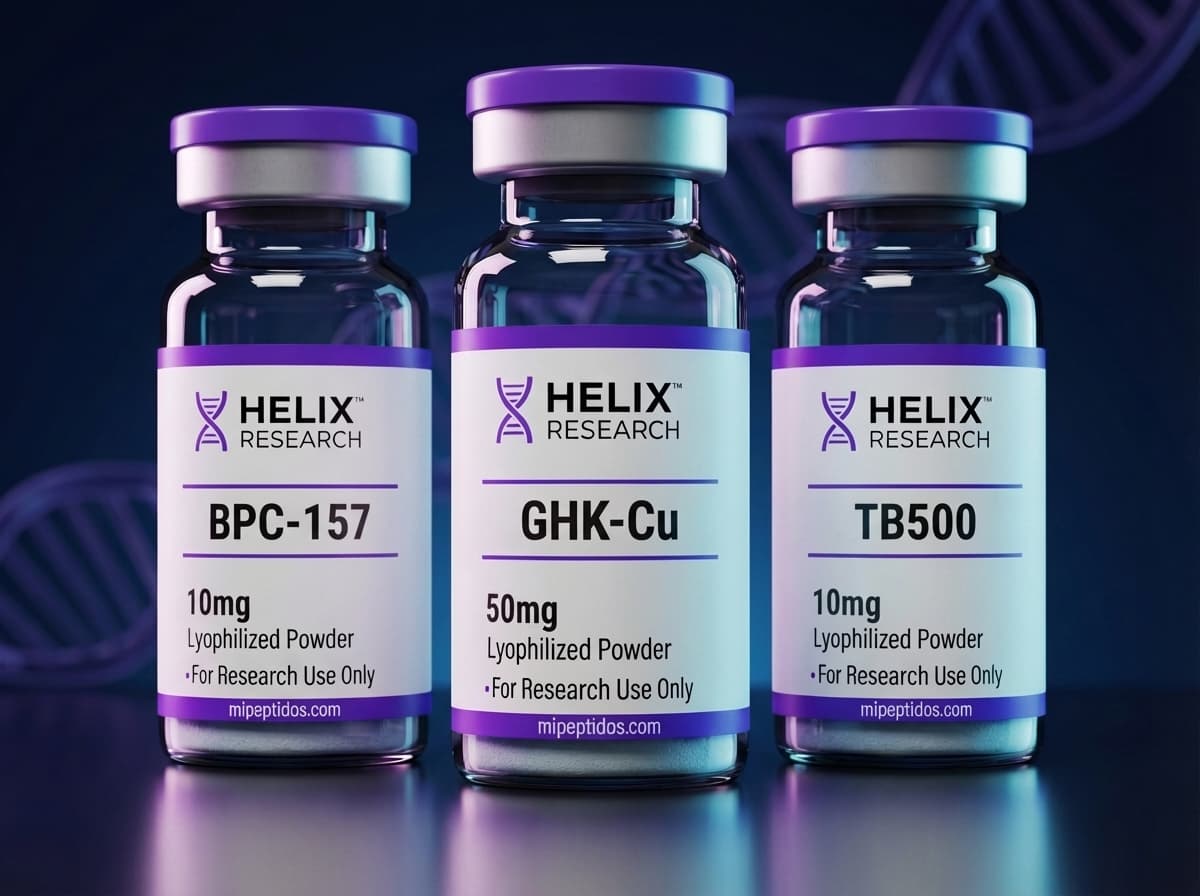
3 peptides, each with individual COA documentation
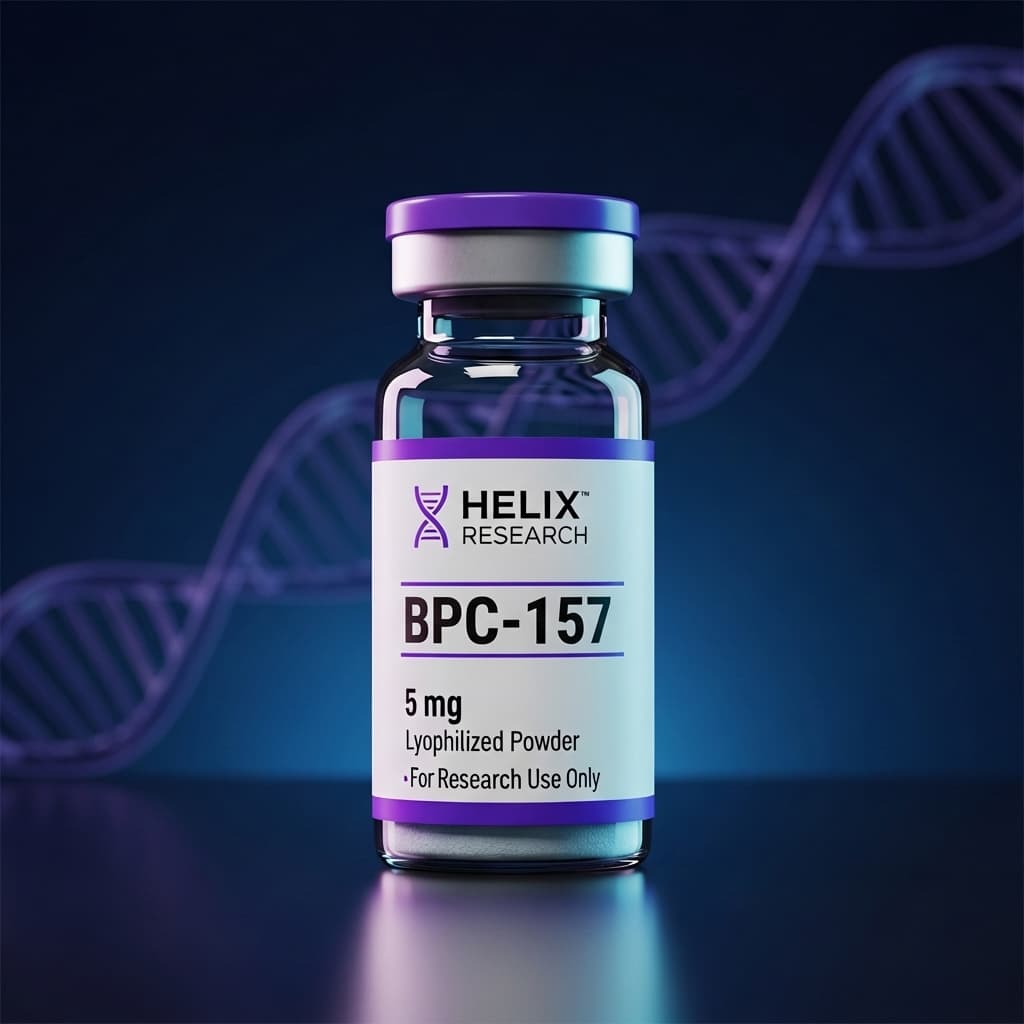
BPC 157
$74.95Tendon, ligament, and muscle repair biology · Gastrointestinal ulcer and IBD research · Neuroprotection and nerve regeneration
BPC-157 is a synthetic 15-amino acid fragment derived from human gastric body protection compound.
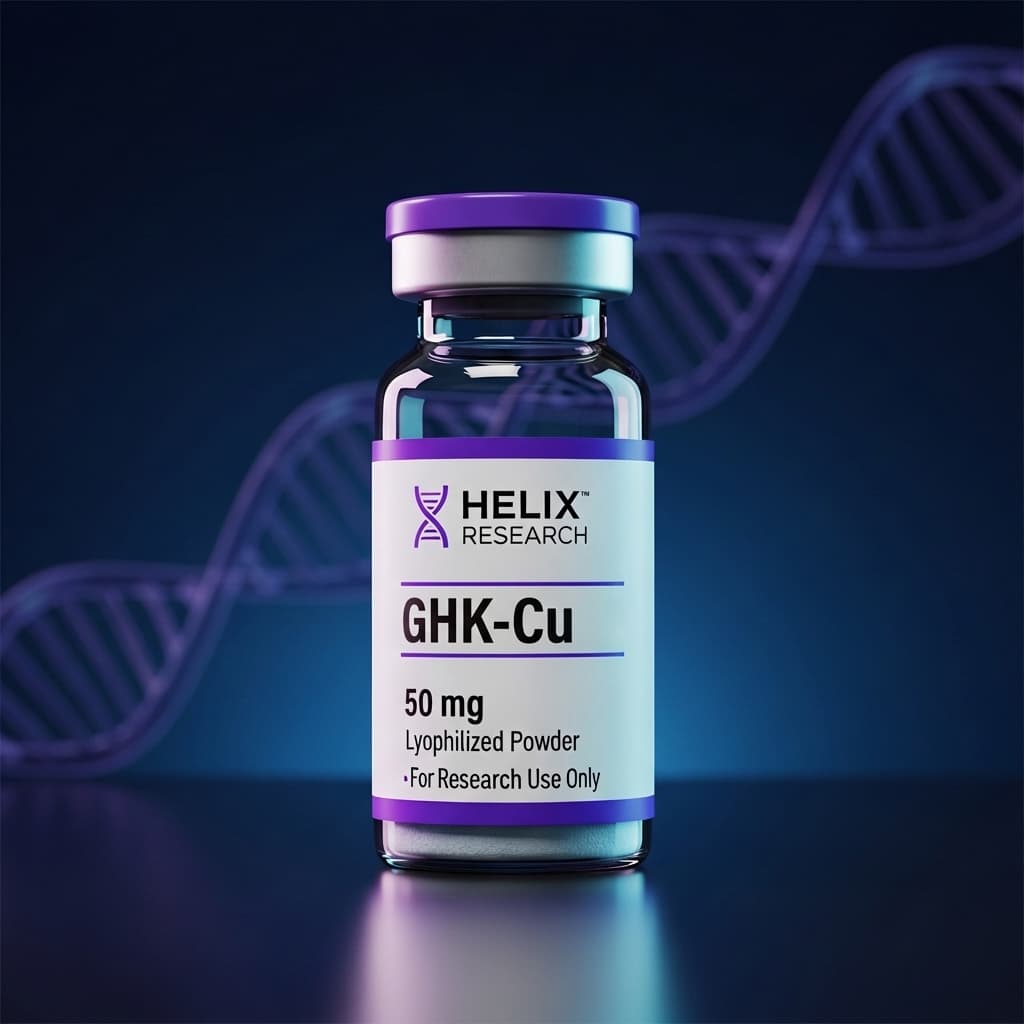
GHK-Cu
$39.95Wound repair biology and tissue remodeling · Skin regeneration and cellular aging · Hair growth stimulation (follicle enlargement)
GHK-Cu is a naturally occurring copper-binding tripeptide found in human plasma, saliva, and urine.
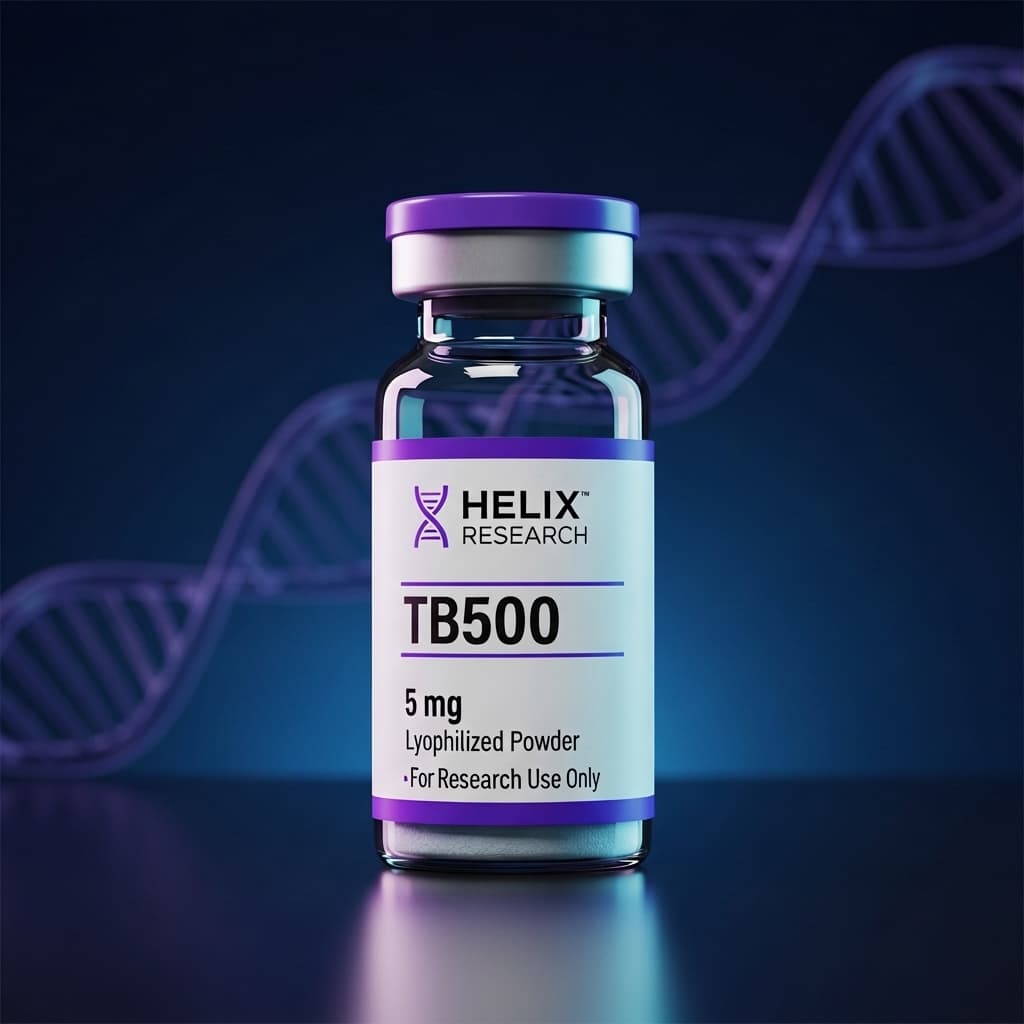
TB500
$58.95Dermal wound-repair biology models · Cardiac injury and migration signaling research · Inflammatory pathway and remodeling studies
TB-500 (synthetic thymosin beta-4) is studied for its role in actin dynamics, a core process that helps cells migrate, reorganize, and respond to repair signals.
Go deeper on the peptides inside the kit
Article picks tied directly to the compounds in this kit, so researchers can move from the bundle view into peptide-specific literature, mechanism, and handling context.
Healing & Recovery Peptides: Research Guide
Comprehensive research guide covering mechanism, studies, and practical info for healing peptides.
BPC-157: Mechanism & Applications
A comprehensive review of BPC-157, covering its origin, mechanism, preclinical research, and tissue repair applications.
TB500 vs BPC-157: Which Healing Peptide?
Detailed comparison of TB500 and BPC-157 for tissue repair research. Examines mechanisms, evidence, and combinations.
The Role of GHK-Cu in Skin & Tissue Research
Review of GHK-Cu (copper peptide): discovery, mechanism in tissue remodeling, gene expression effects, and wound healing applications.
BPC-157 vs BPC/TB-500 Combo: Research Evidence
Comprehensive research guide covering mechanism, studies, and practical info for BPC-157 vs BPC TB500 combo.
BPC-157 + TB-500: Healing Stack Research
Second most popular stack. Directly promotes combo products. Comprehensive research guide covering mechanism of action, published studies, and practical.
Related Research Kits
Collagen & ECM Research Kit
Collagen synthesis, ECM remodeling, and SNARE complex modulation — three mechanisms studied in dermal research
3 peptides · Dermal Research
Tissue Repair Research Kit
The two most-cited tissue repair peptides studied together in published literature
2 peptides · Tissue Research
Incretin Pathway Comparator Kit
Single vs. dual receptor activation — the compounds from the STEP and SURPASS trials
2 peptides · Metabolic Research
Start Your Research
Get the complete Dermal Matrix Research Kit at $156.47 — save $17.38 versus purchasing each compound separately. Full COA documentation included with every vial.
Research Use Only. These kits are intended for laboratory research purposes only. Not for human consumption. Public-page summaries reflect published literature and analytical documentation, not human-use instructions or treatment claims.