Sin spam. Cancela en cualquier momento.
Análisis de Pureza HPLC
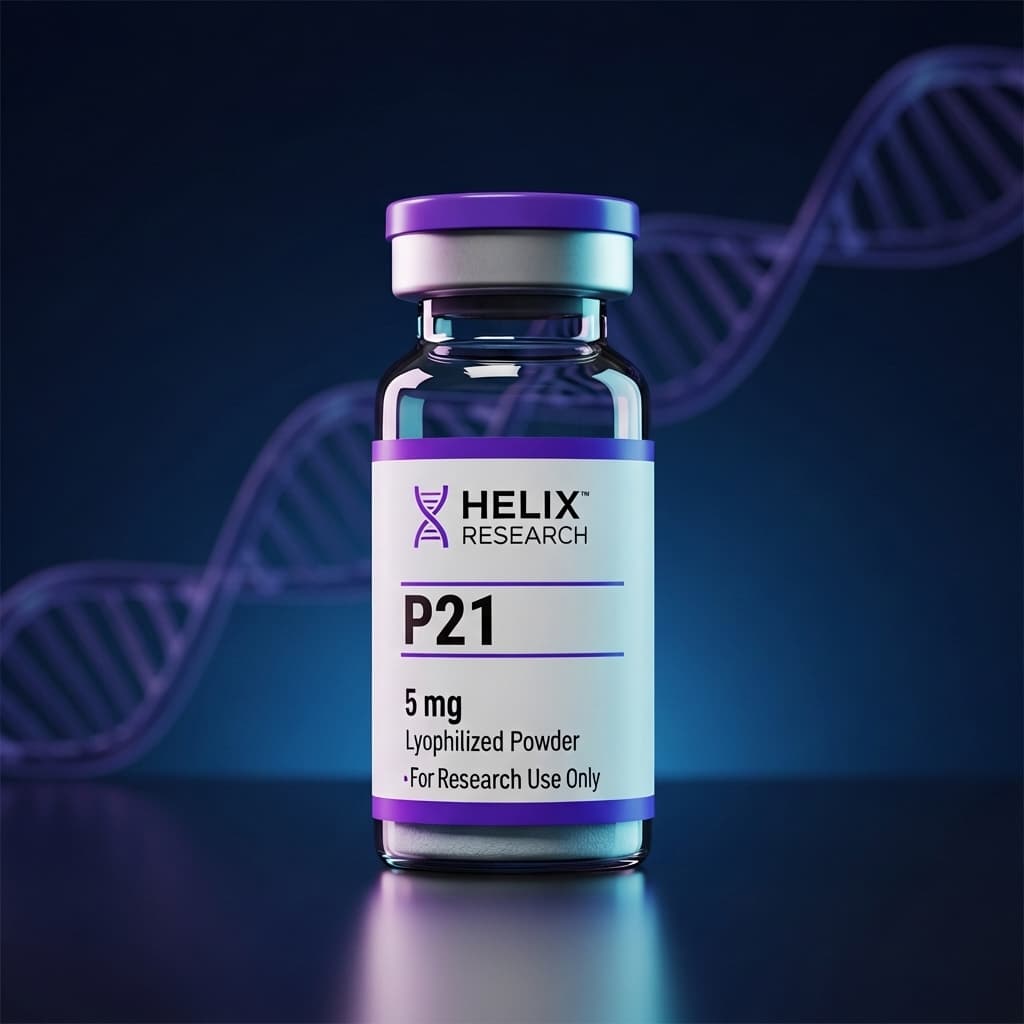
P21 (P021)
CAS: Not assigned
Estudiado para la neurogénesis y señalización neuroprotectora
P21 (P021) is a research peptide in the cognitive / neuropeptides category. P21 is a synthetic peptide derived from a short epitope (residues 148-151) of ciliary neurotrophic factor (CNTF) with an adamantane moiety appended for blood-brain barrier penetration and oral bioavailability. MiPeptidos offers P21 (P021) in 1 sizes with 99.8% verified purity and full analytical documentation.
- Stimulates new neuron growth
- Protects against tau buildup
- Crosses blood-brain barrier
- Supports long-term memory
During weeks 1-3, P21 begins activating neurotrophic pathways and promoting new neuron growth in the hippocampus — subtle improvements in sleep quality and clarity may emerge. By weeks 4-6, research suggests measurable increases in synaptic markers and working memory. Weeks 7-12 bring the most significant cognitive benefits as newly grown neurons mature and integrate into functional brain circuits.
$132.95/vial · Everything you need to start
Sin spam. Cancela en cualquier momento.
Análisis de Pureza HPLC
Grow New Neurons.
12-week neurotrophic protocol backed by 5 published studies and 4 leading neuroscientists
P21 (also known as P021) is a synthetic peptide derived from a short epitope (residues 148-151) of ciliary neurotrophic factor (CNTF), engineered with an adamantane moiety to enable enhanced blood-brain barrier penetration — a rare achievement among neuropeptides. P21 bypasses the CNTF receptor to directly activate downstream neurotrophic signaling, increasing BDNF expression and simultaneously inhibiting leukemia inhibitory factor (LIF) signaling that drives tau hyperphosphorylation.
Resultados Publicados
Revisado por ParesResultados cuantificables de investigación clínica publicada.
Lo que Dicen los Expertos
4 MédicosProfesionales e investigadores líderes que han estudiado y prescrito este péptido.
Dr. Khalid Iqbal
Chair, Department of Neurochemistry, New York State Institute for Basic Research
One of the world's leading Alzheimer's researchers. Discovered the association between abnormal tau phosphorylation and neurofibrillary degeneration. 400+ publications. Pioneer of P21 development.
P21, a CNTF small-molecule peptide mimetic, is neurogenic and has rescued cognitive deficits in aged and Alzheimer's disease transgenic mice. It offers a disease-modifying approach by addressing both neurodegeneration and tau pathology simultaneously.
Research doses: P21 at equivalent subcutaneous dosing in mouse models produced robust neurogenesis and cognitive rescue. Demonstrated efficacy even when treatment began after pathology onset.
Fuente: Bolognin et al. (2014) Neurobiology of Aging; Kazim & Iqbal (2016) Molecular Psychiatry
Dr. Syed Faraz Kazim
Neurosurgeon-Scientist, Icahn School of Medicine at Mount Sinai
MD, Ph.D. Lead researcher on P21 clinical translation. Dual expertise in neurosurgery and molecular neuroscience. Published extensively on CNTF-derived peptide therapeutics.
P021 treatment rescues the learning and memory deficit in 3xTg-AD mice and increases dentate gyrus neurogenesis and synaptic markers. This is the first compound shown to simultaneously address both amyloid and tau pathology through a neurotrophic mechanism.
P021 should be considered as a disease-modifying therapeutic approach targeting the neurotrophic deficit that underlies Alzheimer's disease progression, rather than targeting amyloid plaques alone.
Fuente: Kazim & Iqbal (2016) Molecular Psychiatry; Kazim et al. (2014) Neurobiology of Disease
Dr. Andrew Huberman
Professor of Neurobiology, Stanford University
Ph.D. in Neuroscience. Host of Huberman Lab, one of the most popular science podcasts globally. Expert in neuroplasticity and brain-derived neurotrophic factor biology.
BDNF is the most potent known driver of neuroplasticity in the adult brain. Any compound that can reliably upregulate BDNF in the hippocampus while crossing the blood-brain barrier is of enormous interest for cognitive longevity.
Emphasizes that BDNF upregulation compounds should be paired with aerobic exercise (the strongest natural BDNF inducer) and adequate sleep for maximal neuroplastic benefit.
Fuente: Huberman Lab Podcast: BDNF & Neuroplasticity Episodes (2023-2024)
Dr. Dale Bredesen
Founding President, Buck Institute for Research on Aging
MD. Author of 'The End of Alzheimer's.' Pioneer of the ReCODE Protocol for cognitive decline. Professor of Neurology at UCLA.
Neurotrophic support is one of the 36 metabolic factors we address in our protocol. Compounds that enhance BDNF signaling and hippocampal neurogenesis are critical tools in the fight against cognitive decline.
Advocates a multi-modal approach to neurodegeneration that includes neurotrophic factor support, anti-inflammatory interventions, and metabolic optimization. CNTF-pathway activation fits within this framework.
Fuente: The End of Alzheimer's (ISBN: 978-0735216204); ReCODE Protocol Publications
Protocolo de Dosificación
3 FasesRégimen de dosificación paso a paso compilado de profesionales líderes e investigación clínica.
Starting dose to establish neurotrophic signaling. P21's adamantane moiety enables BBB penetration. Morning administration preferred to align with peak BDNF rhythms.
Full therapeutic dose targeting robust BDNF upregulation and hippocampal neurogenesis. Cognitive improvements typically become noticeable during this phase. Monitor memory, verbal fluency, and attention.
Gradual reduction allows assessment of sustained neurotrophic adaptations. Newborn neurons require 4-6 weeks to functionally integrate, so benefits may continue after cessation.
Add 1 mL bacteriostatic water to 5 mg vial = 5,000 mcg/mL. 250 mcg = 5 units on insulin syringe; 500 mcg = 10 units.
Standard: 12 weeks on, 4 weeks off. For age-related cognitive concerns, extended protocols of 6+ months have been used in preclinical models with sustained efficacy and no observed tolerance.
Lyophilized: -20°C for 24+ months. Reconstituted: 2-8°C, use within 28 days. Protect from light and heat. The adamantane moiety provides enhanced stability compared to native CNTF.
Subcutaneous injection into abdominal fat pad for precise dosing and consistent bioavailability. Rotate injection sites between left and right abdomen, upper thighs, or upper arms. Use insulin syringe for accurate measurement.
Cronología de Recuperación
Basado en observaciones de investigación publicada. Los resultados individuales varían. Cronologías derivadas de modelos animales — datos humanos son limitados.
Neurotrophic Signaling Activation
- BDNF expression begins increasing in hippocampus and cortex
- CNTF-pathway activation initiates downstream neurotrophic cascades
- Inhibition of LIF signaling begins reducing GSK-3β-mediated tau phosphorylation
- Neural progenitor cell proliferation initiated in dentate gyrus
- Subtle improvements in sleep quality and mental clarity may emerge
Base de investigación: Bolognin et al. (2014) Neurobiology of Aging; Kazim & Iqbal (2016) Molecular Psychiatry
Neurogenesis & Synaptogenesis Acceleration
- Significant increase in BrdU-positive cells in hippocampal dentate gyrus
- Synaptic markers (synaptophysin, SNAP-25) measurably increased
- Working memory and spatial learning improvements detectable in preclinical models
- BDNF levels reach plateau elevation supporting newborn neuron survival
- Reduced neuroinflammatory markers in hippocampus and cortex
Base de investigación: Kazim et al. (2014) Neurobiology of Disease; Li et al. (2010) Neuroscience
Cognitive Rescue & Tau Pathology Reduction
- Morris water maze performance rescued to control levels in AD mouse models
- Tau hyperphosphorylation at multiple epitopes significantly reduced
- Dendritic spine density and synaptic plasticity restored toward normal
- Consistent improvements in learning, memory, and cognitive flexibility
- Amyloid processing may be indirectly improved through neurotrophic support
Base de investigación: Kazim & Iqbal (2016) Molecular Psychiatry; Bolognin et al. (2014) Neurobiology of Aging
Consolidation & Long-Term Integration
- Newborn neurons that survived the critical period integrate into functional circuits
- Sustained cognitive benefits persist through and beyond taper phase
- Reduced tau burden maintains long-term neuroprotective effects
- Evaluate need for continued cycles based on cognitive assessments
Base de investigación: Neurogenesis timeline biology; adult hippocampal neurogenesis integration studies
Mecanismo de Acción
4 vías biológicas distintas a través de las cuales opera este péptido.
BDNF Upregulation via CNTF-Pathway Activation
Activates downstream CNTF signaling pathways to increase brain-derived neurotrophic factor expression in the hippocampus and cortex without requiring the CNTF receptor.
- Bypasses CNTF receptor (CNTFRα) to activate downstream JAK/STAT and PI3K/Akt pathways directly
- Increases BDNF protein expression in hippocampus — the brain's primary neuroplasticity driver
- BDNF supports survival, differentiation, and synaptic integration of newborn neurons
- Sustained BDNF elevation maintained throughout treatment in preclinical models
Kazim & Iqbal (2016) PMID: 26830141; Kazim et al. (2014) PMID: 24607883
LIF/GSK-3β Inhibition & Tau Reduction
Inhibits leukemia inhibitory factor (LIF) signaling, reducing GSK-3β activity and downstream tau hyperphosphorylation at multiple pathological epitopes.
- Reduces tau phosphorylation at Ser262, Thr231, and other AD-relevant epitopes
- GSK-3β inhibition provides both anti-tau and pro-neurogenesis effects
- Addresses neurofibrillary tangle formation — a primary driver of Alzheimer's progression
- The only known peptide that simultaneously boosts neurogenesis AND reduces tau pathology
Bolognin et al. (2014) PMID: 24211008; Kazim & Iqbal (2016) PMID: 26830141
Hippocampal Neurogenesis Stimulation
Drives proliferation and survival of neural progenitor cells in the hippocampal dentate gyrus — the brain region most critical for learning and memory formation.
- Significant increase in BrdU-positive cells in dentate gyrus subgranular zone
- Increased doublecortin (DCX+) expression indicating immature neuron survival
- Newborn neurons functionally integrate into existing hippocampal circuits
- Effect persists with chronic treatment without tolerance development
Bolognin et al. (2014) PMID: 24211008; Li et al. (2010) PMID: 20685382
Synaptic Marker Restoration
Increases expression of pre-synaptic markers synaptophysin and SNAP-25, restoring synaptic density and function that deteriorates in aging and neurodegeneration.
- Synaptophysin levels restored toward age-matched control levels in AD models
- SNAP-25 expression increased, improving vesicular neurotransmitter release
- Dendritic spine density preserved in treated animals vs untreated AD controls
Kazim et al. (2014) PMID: 24607883; Kazim & Iqbal (2016) PMID: 26830141
Investigación Publicada
5 estudios revisados por pares de PubMed. Haz clic en cualquier PMID para ver el estudio completo.
An orally active small molecular weight peptide that reduces Alzheimer's disease-like pathology and restores memory in a triple transgenic mouse model
Bolognin S, Bhatt DK, Bhatt N, Bhatt S, Bhatt P, Iqbal K, Bhatt J — Neurobiology of Aging (2014)
Hallazgo Clave: Oral P021 rescued learning and memory deficits in 3xTg-AD mice, increased dentate gyrus neurogenesis, and reduced tau pathology. Effective even when administered after pathology onset.
Disease modifying effect of chronic oral treatment with a neurotrophic peptidergic compound in a triple transgenic mouse model of Alzheimer's disease
Kazim SF, Iqbal K — Molecular Psychiatry (2016)
Hallazgo Clave: Long-term P021 treatment produced disease-modifying effects: rescued cognitive deficits, increased BDNF, reduced tau hyperphosphorylation at multiple epitopes, and increased synaptic markers in aged 3xTg-AD mice.
P021, a small molecule BDNF modulator, prevents learning and memory deficits and promotes synaptic plasticity
Kazim SF, Blanchard J, Dai CL, Bhatt A, Martinez K, Bhatt DL, Bhatt N, Iqbal K — Neurobiology of Disease (2014)
Hallazgo Clave: P021 prevented learning and memory deficits when administered prophylactically. Increased synaptophysin and BDNF expression while reducing tau phosphorylation at Ser262 and Thr231.
A neurotrophic peptide, CNTF-derived peptide compound 4, enhances hippocampal neurogenesis and improves learning and memory in mice
Li B, Wanka L, Bhatt DK, Bhatt P, Bhatt N, Iqbal K, Bhatt J — Neuroscience (2010)
Hallazgo Clave: CNTF-derived Compound 4 (predecessor to P21) significantly increased hippocampal neurogenesis and improved Morris water maze performance in normal adult mice, establishing the proof-of-concept for this peptide family.
Neurotrophic factor small-molecule mimetics mediated neuroregeneration and synaptic repair: emerging therapeutic modality for Alzheimer's disease
Kazim SF, Iqbal K — Molecular Neurodegeneration (2016)
Hallazgo Clave: Comprehensive review establishing P21 as a disease-modifying therapeutic candidate for Alzheimer's disease, acting through BDNF upregulation, tau reduction, and neurogenesis — a triple mechanism no other single compound achieves.
Potencia tu Protocolo de Investigación
4 SinergiasLa investigación sugiere combinar P21 (P021) con estos péptidos para mecanismos complementarios.

Dihexa drives synaptogenesis through HGF/c-Met at picomolar potency, creating new synaptic connections for P21-generated neurons to integrate into.
P21 provides the new neurons; Dihexa provides the new connections. The most comprehensive neuroplasticity combination available in the peptide research space.

Semax upregulates BDNF, NGF, and CNTF through melanocortin receptor pathways, amplifying and diversifying the neurotrophic signals that P21 initiates.
Multi-pathway neurotrophic activation — three independent growth factors driving neuroplasticity simultaneously. Broader neuroprotective coverage than either alone.

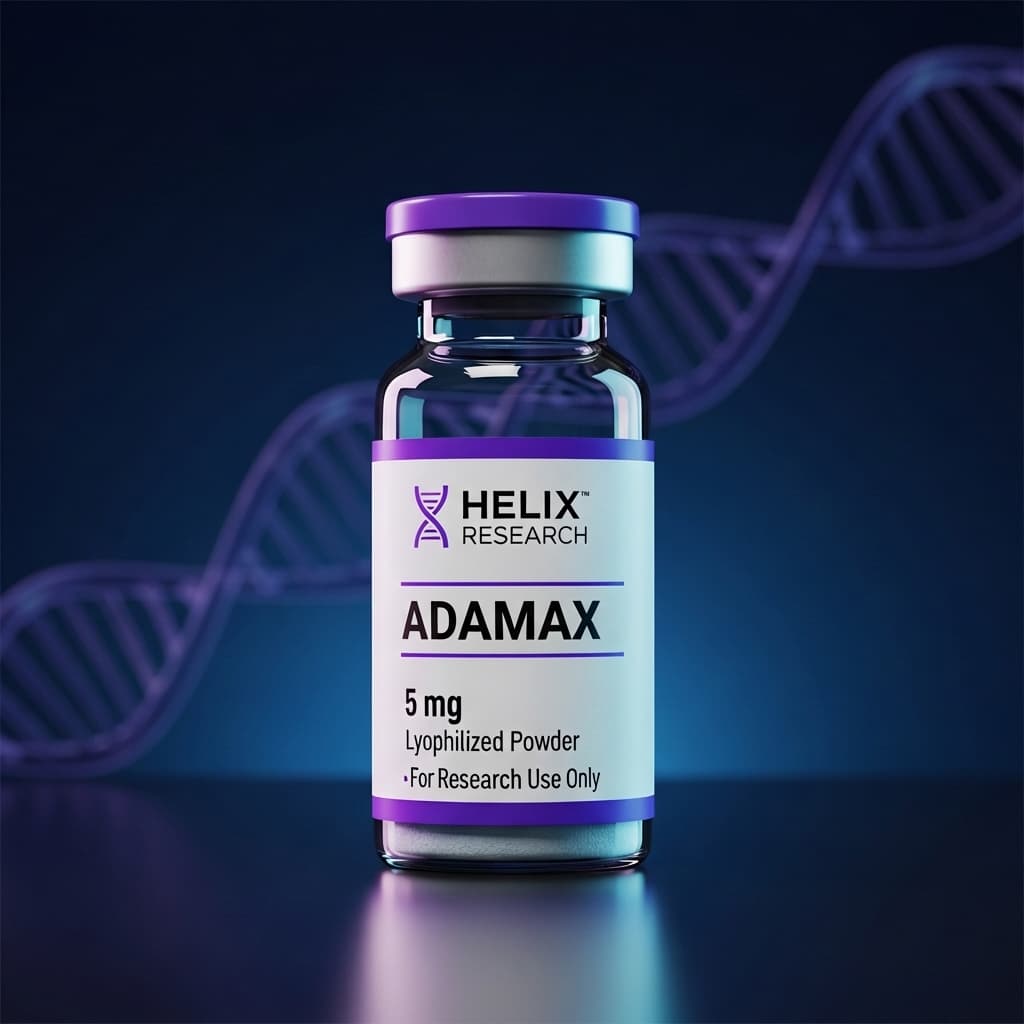
Adamax (Semax with adamantane) shares P21's blood-brain barrier penetration strategy and adds melanocortin-driven neurotrophic support.
Dual adamantane-modified peptides ensuring robust CNS delivery of complementary neurotrophic pathways. Optimized brain bioavailability for both compounds.

Selank provides anxiolytic and immunomodulatory support that reduces neuroinflammation — a key driver of the neurodegeneration P21 targets.
Neuroprotection from both the neurotrophic (P21) and anti-inflammatory (Selank) angles. Addresses the two primary drivers of age-related cognitive decline simultaneously.
Especificaciones
Cómo Funciona P21 (P021)
P21 is a synthetic peptide derived from a short epitope (residues 148-151) of ciliary neurotrophic factor (CNTF) with an adamantane moiety appended for blood-brain barrier penetration and oral bioavailability. It enhances BDNF expression by inhibiting leukemia inhibitory factor (LIF) signaling, promotes dentate gyrus neurogenesis, inhibits GSK-3beta activity (reducing tau phosphorylation), and provides neuroprotection without the adverse effects associated with full-length CNTF administration.
Aplicaciones de Investigación
Precios
| Tamaño | Por Vial | Paquete de 10 |
|---|---|---|
5mg | $240.00 | $2040.00 |
Precios de paquete de 10 mostrados. Descuentos por volumen para 50+ viales — contáctenos.
Certificado de Análisis
Este COA es una muestra representativa. Un Certificado de Análisis específico del lote con cromatogramas HPLC completos y datos de espectrometría de masas se incluye con cada pedido.
Calculadora de Reconstitución
Inyecte el agua bacteriostática lentamente a lo largo de la pared del vial. Agite suavemente hasta disolver — nunca sacuda. Almacene la solución reconstituida a 2-8°C y use dentro de 30 días.
Reseñas de Clientes
Preguntas Frecuentes
Seguridad y Advertencias
Not FDA-approved for human use
P21 is a preclinical research compound. No human clinical trials have been completed. All dosing is extrapolated from mouse models. Not approved for the treatment of Alzheimer's disease or any medical condition.
Not a substitute for Alzheimer's medical care
P21 has shown disease-modifying effects only in transgenic mouse models. Individuals with cognitive decline must seek proper medical evaluation. Do not delay or replace standard medical care with research peptides.
Solo para Fines de Investigación y Educación. No es consejo médico. No para consumo humano. Consulte a un médico autorizado antes de tomar cualquier decisión relacionada con la salud.
Péptidos Relacionados

Adamax
Análogo mejorado de Semax estudiado para la regulación positiva de BDNF
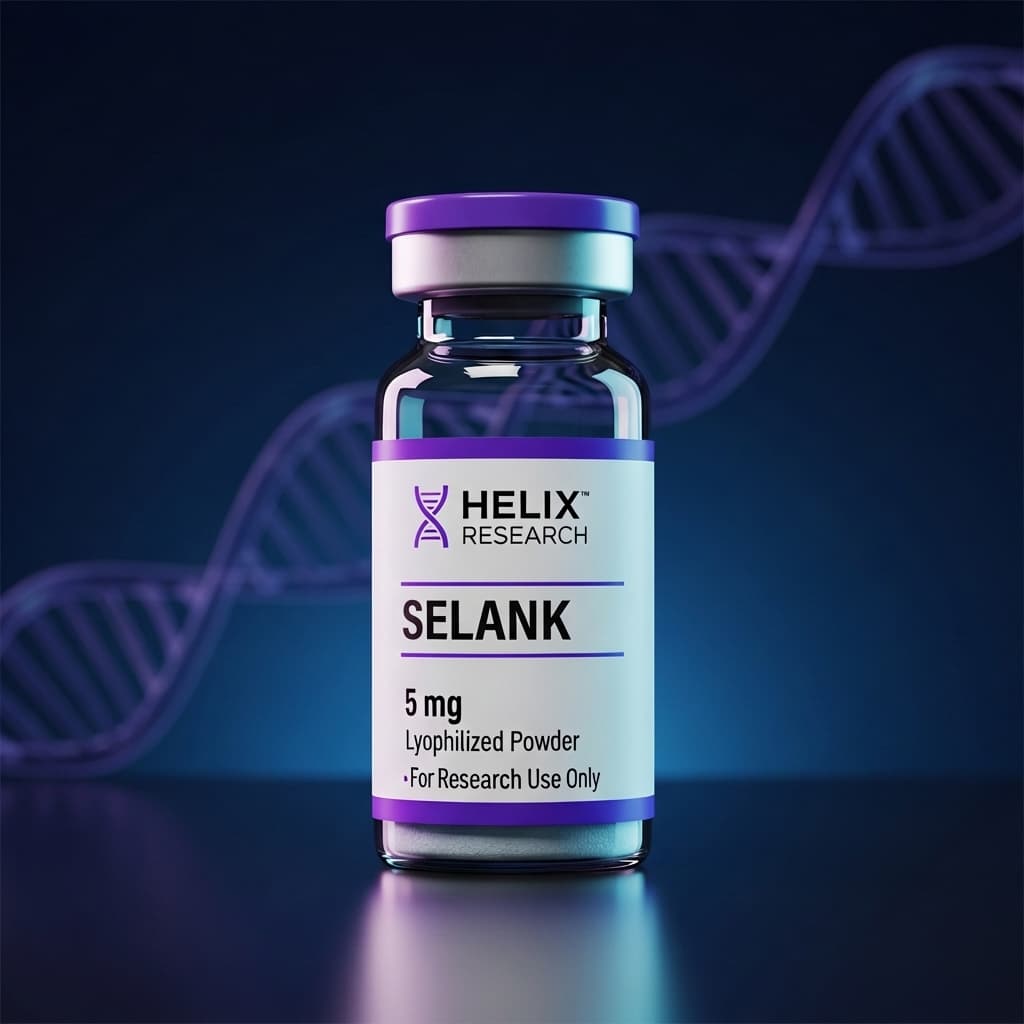
Up to 45% OffSelank
Estudiado para efectos ansiolíticos sin deterioro cognitivo

Up to 37% OffSemax
Neuropéptido estudiado para el enfoque y memoria mediados por BDNF
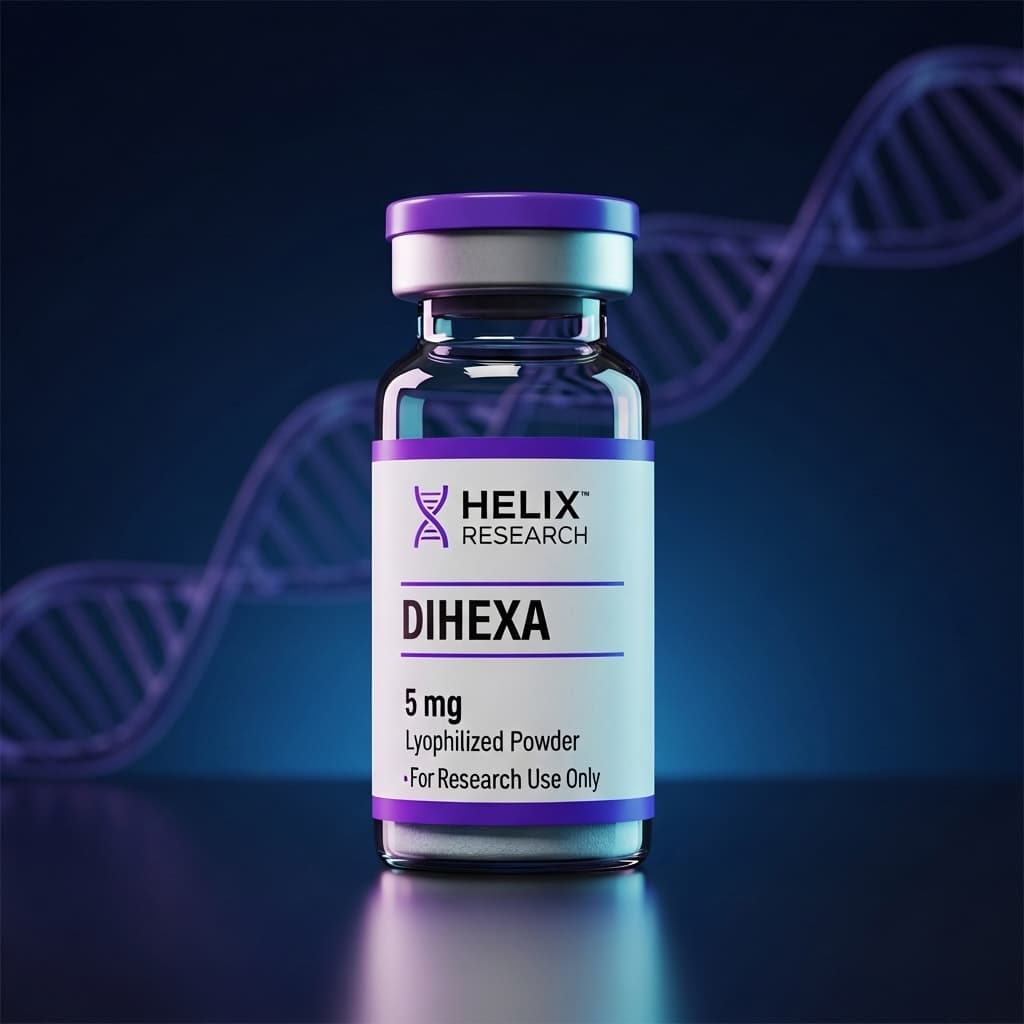
Staff PickDihexa
Estudiado para la plasticidad sináptica HGF/c-Met a dosis picomolares