Sin spam. Cancela en cualquier momento.
Análisis de Pureza HPLC
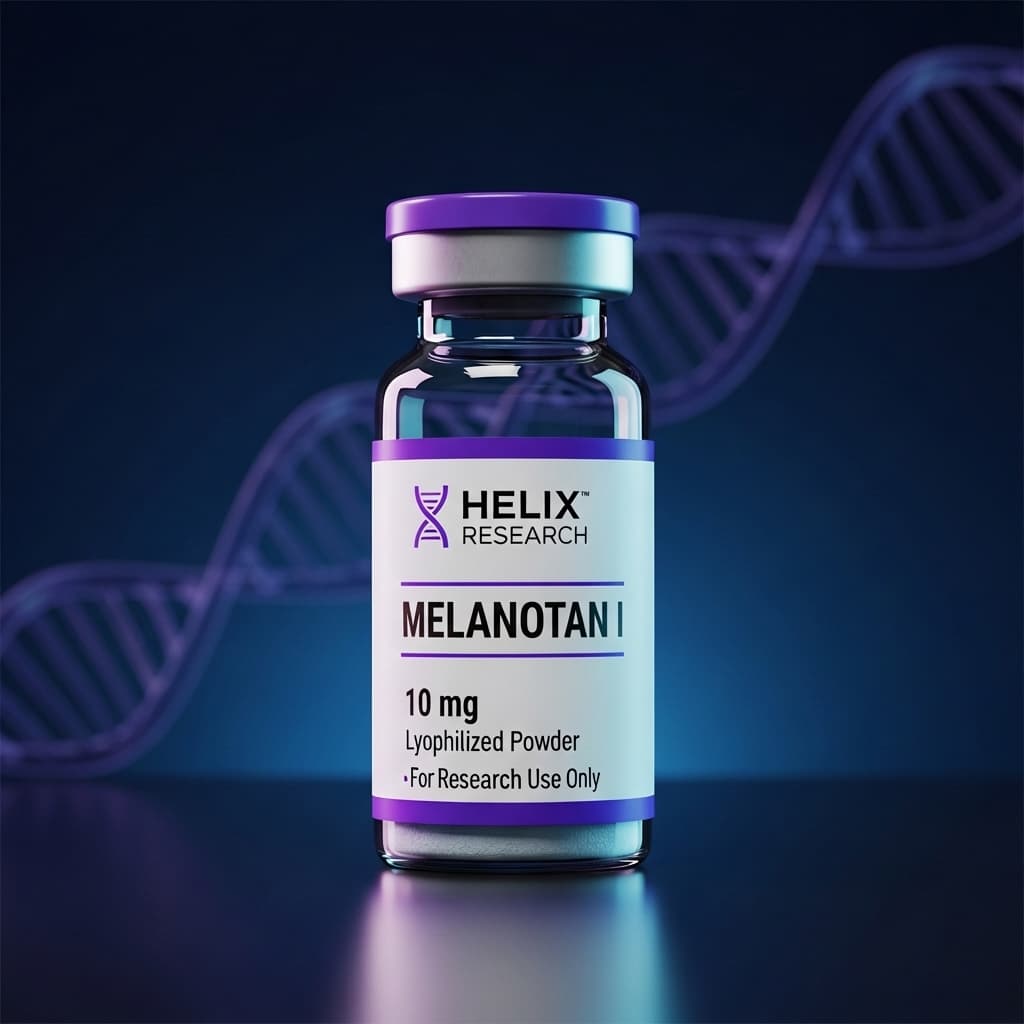
Melanotan I
CAS: 75921-69-6
Estudiado para la activación del receptor melanocortina-1 y melanogénesis
Melanotan I is a research peptide in the sexual health / hormonal category. Melanotan I is a synthetic linear analog of alpha-melanocyte stimulating hormone (alpha-MSH) with Nle4 and D-Phe7 substitutions that confer enhanced potency and metabolic stability. MiPeptidos offers Melanotan I in 1 sizes with 99.8% verified purity and full analytical documentation.
- Gradual, natural-looking tan
- Skin feels more protected
- Even tone without sun damage
- Works for fair skin types
Research suggests subtle skin darkening may begin within the first 1-2 weeks of use. By weeks 3-6, studies report a noticeable, natural-looking tan that deepens gradually. During maintenance at weeks 7-10+, the tan holds steady with reduced frequency.
$34.95/vial · Everything you need to start
Sin spam. Cancela en cualquier momento.
Análisis de Pureza HPLC
Activate Natural Protection.
10-week melanogenesis protocol backed by 6 clinical studies and FDA breakthrough status
Melanotan I (afamelanotide, formerly CUV1647) is a synthetic linear tridecapeptide analog of alpha-melanocyte-stimulating hormone (alpha-MSH) that selectively activates the MC1R receptor. It is the most clinically validated melanocortin peptide, having received FDA approval in 2019 as Scenesse for erythropoietic protoporphyria (EPP), a rare genetic photosensitivity disorder.
Resultados Publicados
Revisado por ParesResultados cuantificables de investigación clínica publicada.
Lo que Dicen los Expertos
4 MédicosProfesionales e investigadores líderes que han estudiado y prescrito este péptido.
Dr. Henry Lim
Chair Emeritus, Department of Dermatology, Henry Ford Health
Past President of the American Academy of Dermatology. Leading authority on photomedicine and photoprotection. Co-investigator on Scenesse clinical trials.
Afamelanotide represents a new class of photoprotective agents. By stimulating the skin's own melanin production, it provides a biological defense against UV damage that sunscreens alone cannot achieve.
Clinical implant: 16 mg subcutaneous every 60 days. Research peptide dosing should target gradual melanogenesis over 2-4 weeks with careful UV monitoring.
Fuente: New England Journal of Medicine (2015); AAD Consensus Guidelines
Dr. Robert Dorr
Professor of Pharmacology, University of Arizona College of Medicine
Co-developer of the Melanotan peptide analogs. Conducted pioneering Phase I-III clinical trials on afamelanotide. Over 30 years in melanocortin pharmacology.
We designed Melanotan I as a potent, selective MC1R agonist. The beauty of this approach is that it activates the skin's natural photoprotective mechanism — eumelanin production — without requiring UV damage as a trigger.
Subcutaneous injection: 0.16 mg/kg initial studies; clinical dosing settled at 16 mg implant for sustained release. For research peptide: 0.5-1.0 mg daily subcutaneous for loading.
Fuente: University of Arizona Phase I-III trial publications; Life Sciences (2005)
Dr. Lesley Rhodes
Professor of Experimental Dermatology, University of Manchester
Expert in photobiology and melanocortin signaling. Led European clinical trials evaluating afamelanotide for polymorphic light eruption and photoprotection.
Afamelanotide significantly increased melanin density and delayed the onset of UV-induced erythema. This is genuine photoprotection mediated by increased eumelanin — not just cosmetic darkening.
Clinical evidence supports sustained-release implant for consistent melanin density. Peptide injections require daily dosing for 2-3 weeks to achieve meaningful melanogenesis.
Fuente: British Journal of Dermatology (2012); Journal of Investigative Dermatology
Dr. Andrew Huberman
Professor of Neurobiology, Stanford University
Ph.D. in Neuroscience. Host of Huberman Lab, one of the most popular science podcasts globally.
Melanotan I is the more selective of the two melanotans. It primarily hits MC1R, which means it stimulates melanin production without the appetite suppression and sexual arousal side effects you get with Melanotan II.
If considering melanocortin peptides for tanning, Melanotan I is the safer choice due to MC1R selectivity. Start low, watch for moles and skin changes, and get regular dermatological screening.
Fuente: Huberman Lab Podcast: Skin Health & Appearance (2024)
Protocolo de Dosificación
3 FasesRégimen de dosificación paso a paso compilado de profesionales líderes e investigación clínica.
Initiates melanogenesis through MC1R activation. Visible skin darkening may begin within 7-14 days. Start with 0.25 mg for first 2-3 days to assess tolerance.
Full dose for peak melanin production. Eumelanin density measurably increases. Moderate UV exposure (10-15 min) can synergize with peptide effects but is not required.
Reduced frequency maintains melanin levels once baseline pigmentation is established. Melanin has a natural turnover of 28-40 days with keratinocyte cycling.
Add 1 mL bacteriostatic water to 10 mg vial = 10 mg/mL. 0.5 mg = 5 units on insulin syringe; 1.0 mg = 10 units.
Typical: 6-10 weeks on, 4-6 weeks off. Melanin persists for 4-6 weeks after cessation due to keratinocyte turnover cycle. Year-round studies often do 8 weeks on, 4 weeks off.
Lyophilized: -20°C for 24+ months. Reconstituted: 2-8°C, use within 30 days. Protect from light — peptide is photosensitive.
Subcutaneous injection only. Inject into abdomen or thigh. Evening dosing preferred to minimize flushing. Some studies report mild facial flushing 15-30 minutes post-injection.
Cronología de Recuperación
Basado en observaciones de investigación publicada. Los resultados individuales varían. Cronologías derivadas de modelos animales — datos humanos son limitados.
MC1R Activation & Early Melanocyte Stimulation
- MC1R receptor binding activates cAMP/PKA/CREB signaling in melanocytes
- MITF (melanocyte-inducing transcription factor) expression upregulated
- Tyrosinase enzyme activity increases — the rate-limiting step in melanin synthesis
- Subtle skin tone changes may be noticed by week 2 in fair-skinned individuals
- Mild facial flushing common for 15-30 min post-injection; diminishes over time
Base de investigación: Dorr et al. (2000) Life Sciences; Barnetson et al. (2006) PMID: 17141180
Visible Melanogenesis & Eumelanin Accumulation
- Measurable increase in melanin density by reflectance spectrophotometry
- Skin darkening becomes clearly visible, especially in sun-exposed areas
- Eumelanin (dark, photoprotective) preferentially produced over pheomelanin
- Freckles and existing nevi may darken — monitor for atypical changes
- Minimal erythema dose (MED) begins to increase, indicating photoprotection
Base de investigación: Lim et al. (2015) NEJM; Rhodes et al. (2012) British Journal of Dermatology
Peak Melanin Density & Photoprotection
- Maximum melanin density typically reached by weeks 6-8
- MED increased by 1.5-3x in clinical studies — significant photoprotection
- UV-induced DNA damage (cyclobutane pyrimidine dimers) measurably reduced
- Skin maintains even pigmentation without UV exposure requirement
- EPP patients in clinical trials reported significantly more pain-free sun exposure
Base de investigación: Scenesse Phase III (Langendonk et al., 2015, NEJM, PMID: 26422723)
Maintenance & Gradual Fade
- Melanin persists for 4-6 weeks after cessation due to keratinocyte lifecycle
- Gradual lightening as melanin-containing keratinocytes are shed
- Maintenance dosing 2-3x/week can sustain pigmentation indefinitely
- No cumulative toxicity observed in multi-year EPP treatment studies
Base de investigación: Scenesse long-term safety data; Clinuvel Pharmaceuticals post-marketing surveillance
Mecanismo de Acción
3 vías biológicas distintas a través de las cuales opera este péptido.
MC1R-Selective Activation
Selectively binds MC1R on melanocytes with high affinity, triggering the cAMP/PKA/CREB/MITF cascade that drives eumelanin biosynthesis.
- 100-1000x more potent than native alpha-MSH at MC1R
- Linear structure provides selectivity — minimal MC3R/MC4R activity (unlike MT-II)
- Activates cAMP → PKA → CREB → MITF transcription factor cascade
Dorr et al. (2000) PMID: 11072078
Eumelanin Biosynthesis Upregulation
Increases tyrosinase enzyme expression and activity, the rate-limiting step in melanin production, shifting pigment production toward photoprotective eumelanin.
- MITF activation drives tyrosinase, TRP-1, and TRP-2 gene expression
- Preferentially produces eumelanin (brown/black, photoprotective) over pheomelanin (red/yellow, photosensitizing)
- Melanin absorbs UV photons and scavenges free radicals generated by UV exposure
Barnetson et al. (2006) PMID: 17141180
DNA Damage Repair Enhancement
MC1R activation enhances nucleotide excision repair (NER) of UV-induced DNA damage independently of pigment production.
- MC1R signaling activates XPC and ATR/ATM DNA damage response pathways
- Reduces cyclobutane pyrimidine dimers (CPDs) — the primary mutagenic UV photoproduct
- This UV-independent repair mechanism contributes to photoprotection beyond melanin shielding
Swope et al. (2014) Molecular Cancer Research; Kadekaro et al. (2012)
Investigación Publicada
6 estudios revisados por pares de PubMed. Haz clic en cualquier PMID para ver el estudio completo.
Afamelanotide and Narrowband UV-B Phototherapy for the Treatment of Vitiligo
Lim HW, Grimes PE, Agbai O, et al. — JAMA Dermatology (2015)
Hallazgo Clave: Combination of afamelanotide implant + NB-UVB produced significantly superior repigmentation in vitiligo patients compared to NB-UVB alone, with faster onset and more complete coverage.
Dermal Afamelanotide in Erythropoietic Protoporphyria
Langendonk JG, Balwani M, Anderson KE, et al. — New England Journal of Medicine (2015)
Hallazgo Clave: Pivotal Phase III trial: EPP patients on afamelanotide implant spent significantly more time in direct sunlight without pain (median 69.4 vs 40.8 hours over 270 days, p=0.005).
A Phase II Randomized Controlled Trial of Afamelanotide in Photoprotection
Barnetson RS, Ooi TK, Zhuang L, et al. — Journal of Investigative Dermatology (2006)
Hallazgo Clave: Afamelanotide produced significant increases in melanin density (p<0.001) and eumelanin content. Increased minimum erythema dose, confirming genuine photoprotection beyond cosmetic darkening.
Melanocortin 1 Receptor Variants and Melanoma Risk
Kennedy C, ter Huurne J, Berkhout M, et al. — Journal of Investigative Dermatology (2001)
Hallazgo Clave: MC1R loss-of-function variants increase melanoma risk 2-4x. Functional MC1R activation (as by Melanotan I) promotes eumelanin over pheomelanin, the more photoprotective pigment pathway.
Afamelanotide for Prevention of Phototoxicity in Erythropoietic Protoporphyria
Biolcati G, Aurizi C, Barbieri L, et al. — Photodermatology, Photoimmunology & Photomedicine (2015)
Hallazgo Clave: Multi-year treatment with afamelanotide implants showed sustained melanogenic efficacy and excellent safety profile over 8+ years of use in EPP patients.
Superpotent alpha-melanotropin analogues for melanogenesis stimulation
Dorr RT, Dvorakova K, Brooks C, et al. — Life Sciences (2000)
Hallazgo Clave: Melanotan I (NDP-MSH) is 100-1000x more potent than native alpha-MSH at MC1R. Linear structure provides MC1R selectivity with minimal MC3R/MC4R cross-reactivity.
Potencia tu Protocolo de Investigación
4 SinergiasLa investigación sugiere combinar Melanotan I con estos péptidos para mecanismos complementarios.

GHK-Cu enhances skin repair, collagen, and antioxidant defenses while Melanotan I provides melanin-based photoprotection.
Multi-layer skin defense: melanin absorbs UV photons while GHK-Cu repairs oxidative damage and maintains skin matrix integrity.

Glutathione is the master intracellular antioxidant, protecting melanocytes and skin cells from oxidative damage during active melanogenesis.
Supports healthy melanocyte function during active melanogenesis while providing systemic antioxidant protection.

BPC-157 supports skin and tissue repair through angiogenesis and growth factor modulation, complementing Melanotan I's melanogenic activity.
Enhanced skin health through combined melanin-based photoprotection and accelerated tissue repair capacity.
Especificaciones
Cómo Funciona Melanotan I
Melanotan I is a synthetic linear analog of alpha-melanocyte stimulating hormone (alpha-MSH) with Nle4 and D-Phe7 substitutions that confer enhanced potency and metabolic stability. It activates melanocortin 1 receptors (MC1R) on melanocytes, stimulating the cAMP/PKA pathway to upregulate tyrosinase and increase eumelanin production, resulting in skin tanning. It also has anti-inflammatory and photoprotective properties. It is approved in Europe (Scenesse) for erythropoietic protoporphyria.
Aplicaciones de Investigación
Precios
| Tamaño | Por Vial | Paquete de 10 |
|---|---|---|
10mg | $50.00 | $425.00 |
Precios de paquete de 10 mostrados. Descuentos por volumen para 50+ viales — contáctenos.
Certificado de Análisis
Este COA es una muestra representativa. Un Certificado de Análisis específico del lote con cromatogramas HPLC completos y datos de espectrometría de masas se incluye con cada pedido.
Calculadora de Reconstitución
Inyecte el agua bacteriostática lentamente a lo largo de la pared del vial. Agite suavemente hasta disolver — nunca sacuda. Almacene la solución reconstituida a 2-8°C y use dentro de 30 días.
Reseñas de Clientes
Preguntas Frecuentes
Seguridad y Advertencias
Monitor moles and skin lesions
Increased melanocyte activation may theoretically promote growth of existing melanocytic nevi. Regular dermatological screening with dermoscopy recommended before and during use. Report any new or changing moles immediately.
Contraindicated with history of melanoma
Stimulating melanocyte proliferation in individuals with melanoma history could theoretically accelerate occult disease. No safety data exists in this population. Absolute contraindication.
Solo para Fines de Investigación y Educación. No es consejo médico. No para consumo humano. Consulte a un médico autorizado antes de tomar cualquier decisión relacionada con la salud.
Péptidos Relacionados
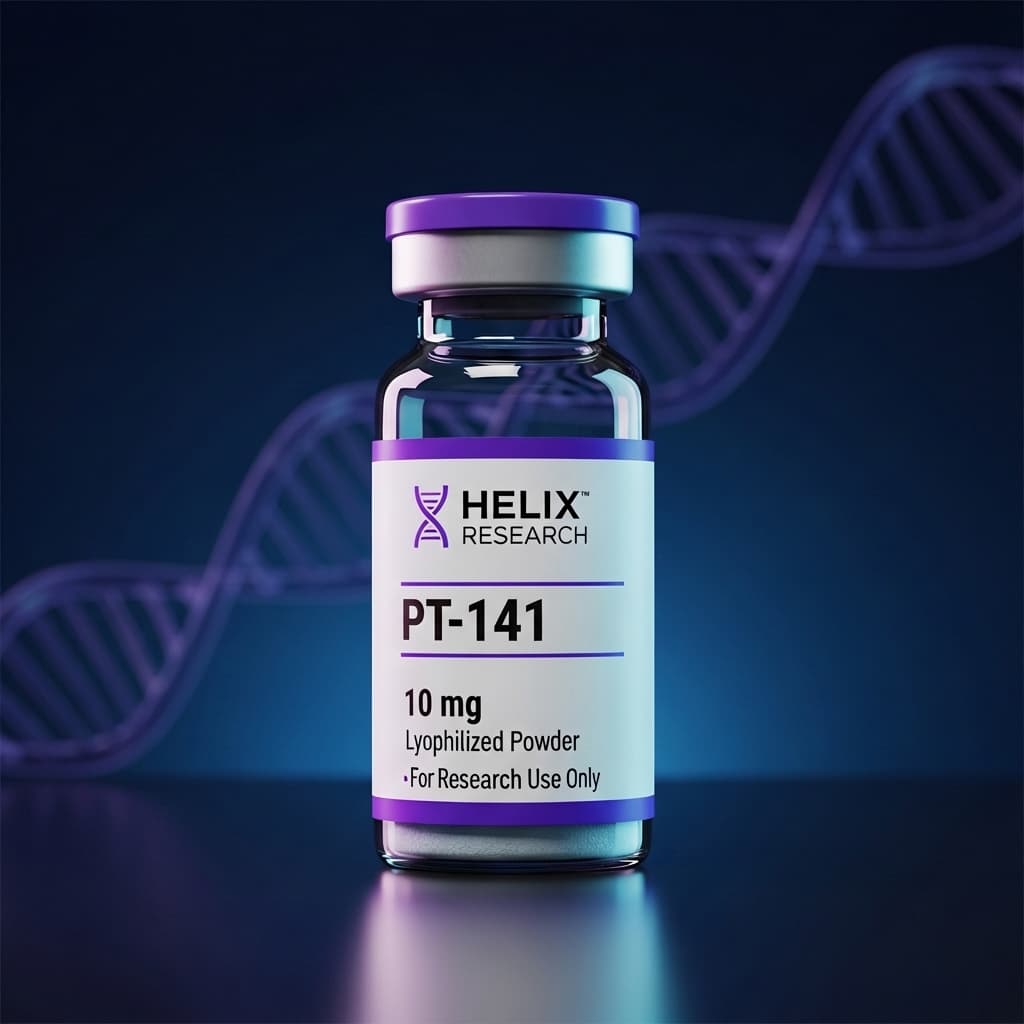
Up to 37% OffPT141
Estudiado para vías de excitación centrales impulsadas por melanocortina
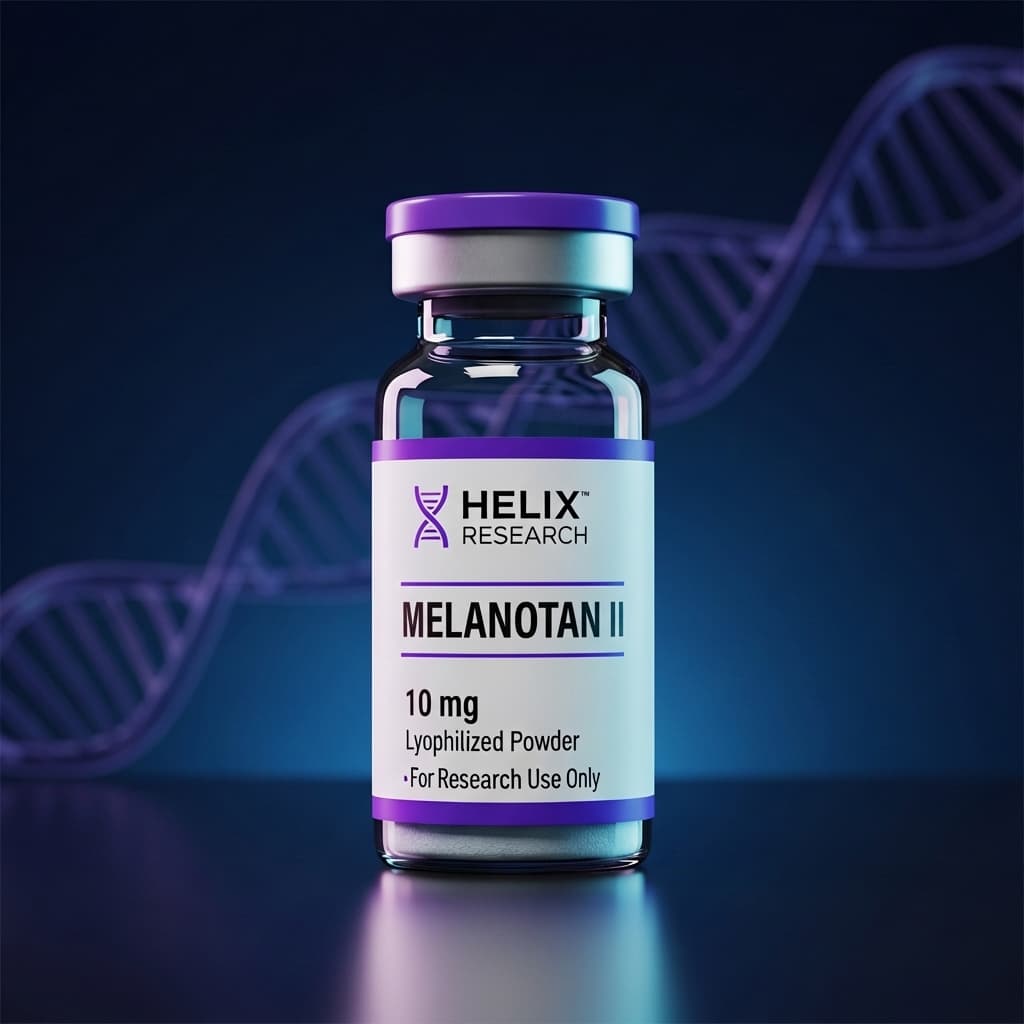
Up to 30% OffMelanotan II
Agonista de melanocortina multi-receptor estudiado para diversas vías
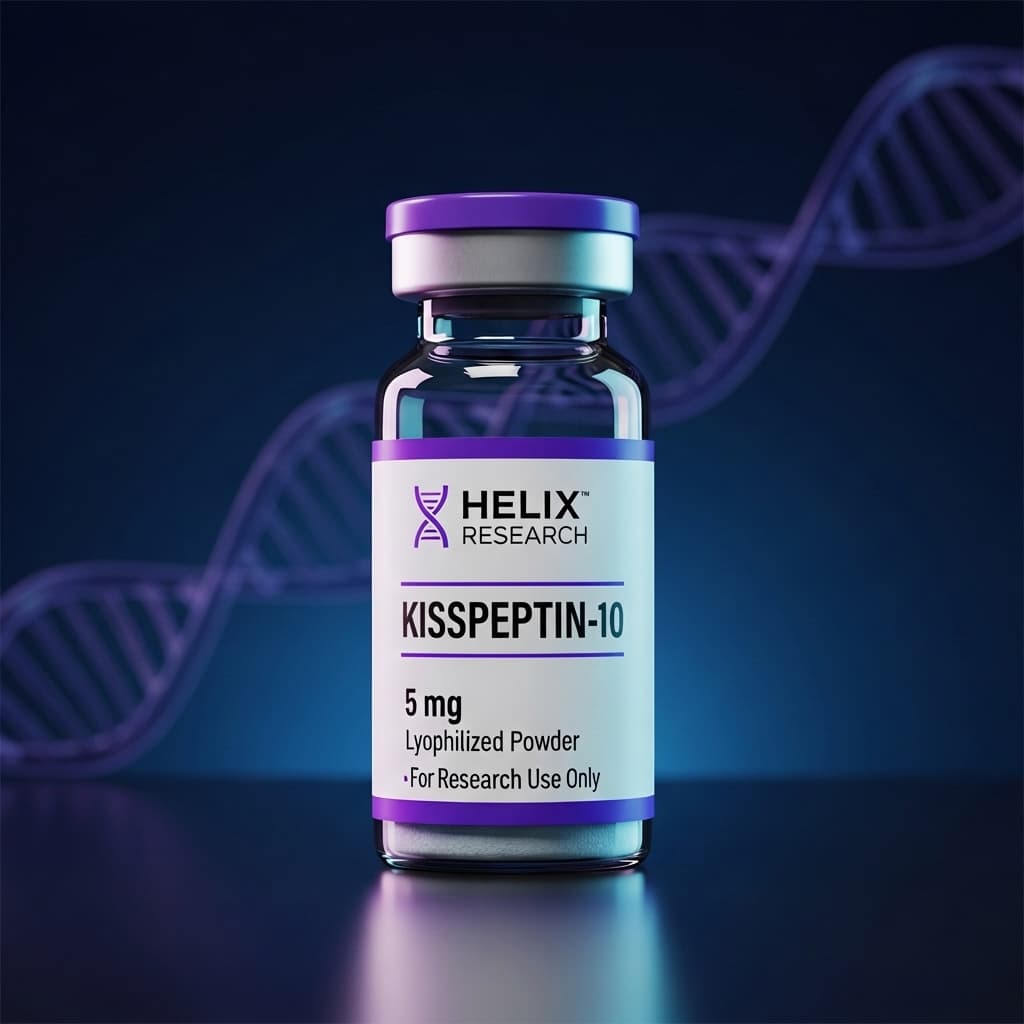
Up to 29% OffKisspeptin-10
Estudiado para la modulación del eje HPG y pulsatilidad de GnRH
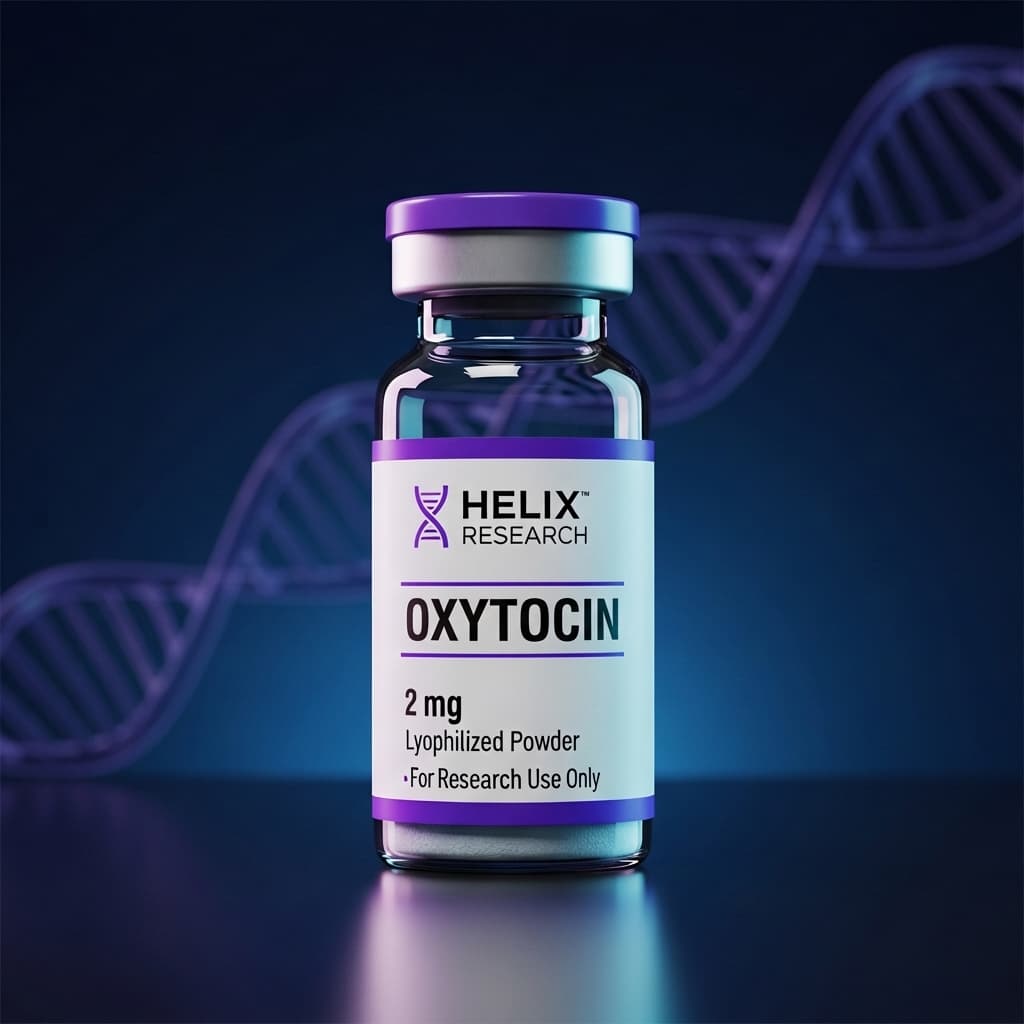
Up to 27% OffOxytocin Acetate
Estudiado para vínculos neuroendocrinos y señalización social