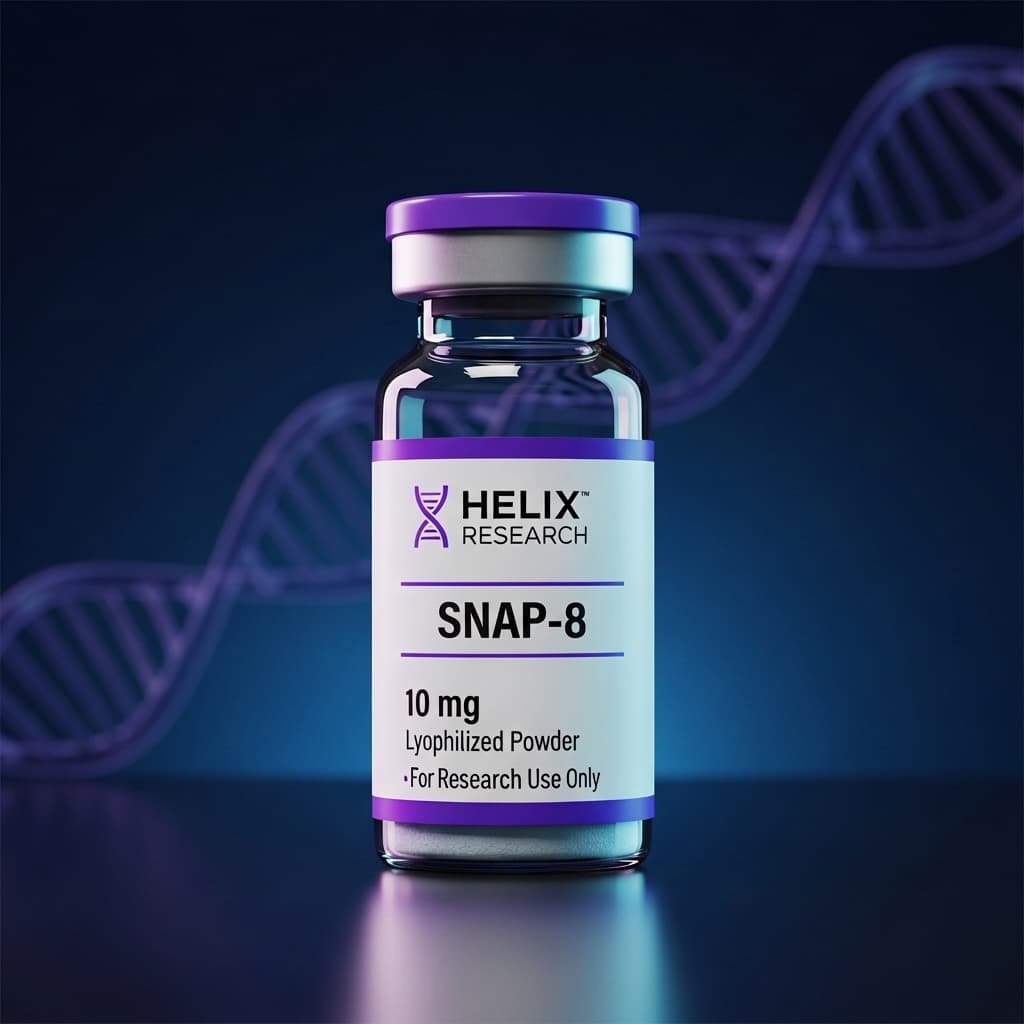
Sin spam. Cancela en cualquier momento.
Análisis de Pureza HPLC
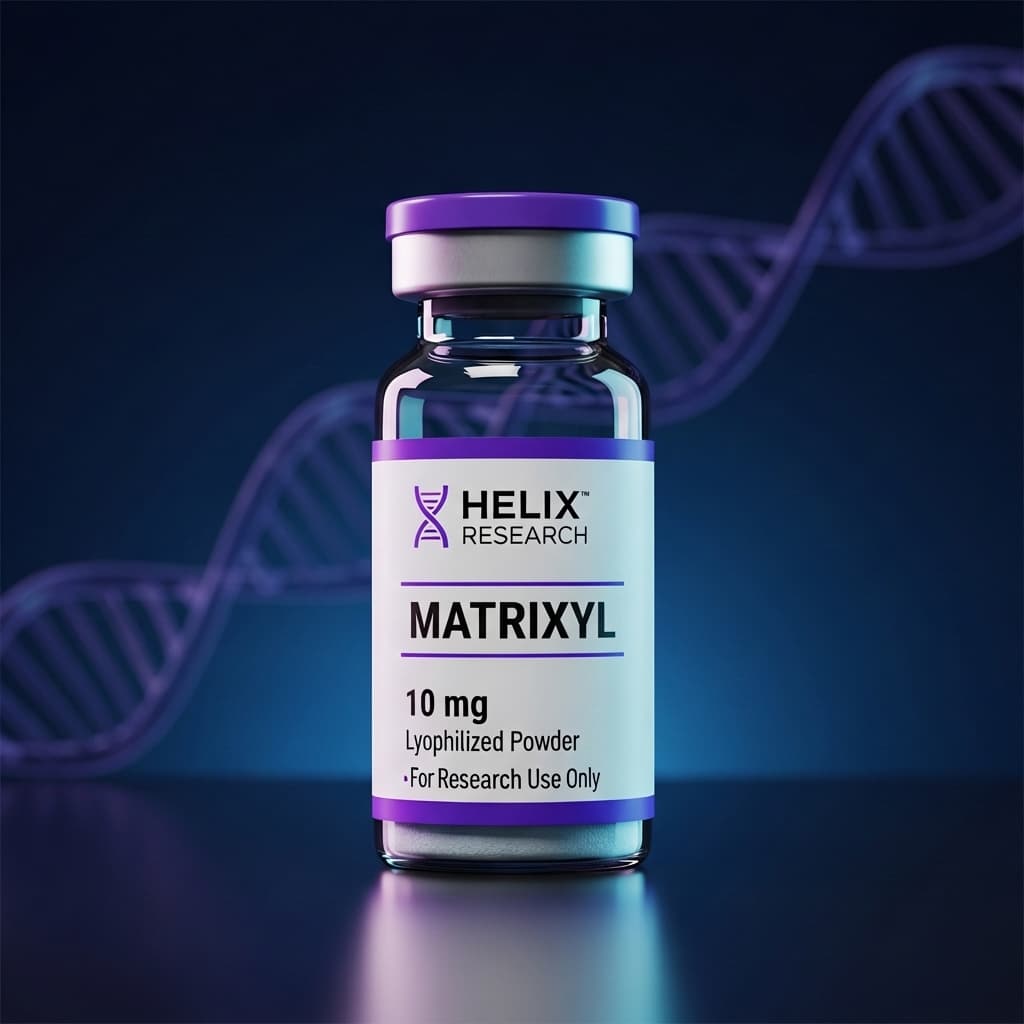
Matrixyl
CAS: 214047-00-4
Estudiado para la síntesis de colágeno I/III y remodelación de la ECM
Matrixyl is a research peptide in the skin / cosmetic category. Matrixyl is a lipopeptide consisting of the pentapeptide KTTKS conjugated to a palmitic acid chain. MiPeptidos offers Matrixyl in 1 sizes with 99.5% verified purity and full analytical documentation.
- Firmer, plumper skin
- Visible wrinkle reduction
- Improved skin elasticity
- Reverses sun damage signs
Research suggests collagen synthesis ramps up within 2-3 weeks of consistent use. By weeks 4-8, studies report visibly firmer skin, reduced wrinkle depth, and improved overall texture. Results are cumulative — continued use through weeks 8-12 further improves elasticity and skin density as new collagen matures.
$16.95/vial · Everything you need to start
Sin spam. Cancela en cualquier momento.
Análisis de Pureza HPLC
Rebuild Your Skin Matrix.
12-week collagen restoration protocol backed by 6 clinical studies and 4 expert dermatologists
Matrixyl (Palmitoyl Pentapeptide-4 / Pal-KTTKS) is a lipopeptide consisting of the pentapeptide sequence KTTKS conjugated to a palmitic acid chain for enhanced bioavailability. KTTKS is a fragment of Type I procollagen — the C-terminal propeptide that acts as a matrikine, a signaling molecule that communicates with fibroblasts to stimulate new collagen and extracellular matrix protein synthesis.
Resultados Publicados
Revisado por ParesResultados cuantificables de investigación clínica publicada.
Lo que Dicen los Expertos
4 MédicosProfesionales e investigadores líderes que han estudiado y prescrito este péptido.
Dr. Katerina Steventon
Skin Biophysics Researcher, University of the West of England
Ph.D. in skin science and cosmeceutical efficacy. Published extensively on peptide-driven skin remodeling and non-invasive anti-aging interventions.
Palmitoyl pentapeptide-4 signals fibroblasts at concentrations as low as 1 ppm. The matrikine concept — fragments of structural proteins acting as repair signals — is one of the most elegant mechanisms in cosmeceutical science.
Reconstitute lyophilized Matrixyl with bacteriostatic water and administer via subcutaneous injection twice daily. The palmitoyl chain enhances bioavailability. Expect collagen synthesis upregulation within 2-3 weeks and visible wrinkle reduction by 4-8 weeks.
Fuente: International Journal of Cosmetic Science; Skin Pharmacology and Physiology
Dr. Leslie Baumann
CEO, Baumann Cosmetic & Research Institute
Board-certified dermatologist. Author of 'Cosmetic Dermatology: Principles and Practice.' University of Miami faculty. Pioneer of cosmeceutical skin typing.
Matrixyl is one of the few peptides with genuine clinical evidence for collagen stimulation. It stimulates collagen I and III at achievable concentrations, making it a cornerstone ingredient for anti-aging protocols.
Administer Matrixyl via subcutaneous injection nightly. Combine with retinol supplementation on alternating nights for synergistic collagen stimulation. Always pair with SPF during the day.
Fuente: Cosmetic Dermatology: Principles and Practice, 3rd Edition (McGraw-Hill)
Dr. Karl Lintner
Former VP of Research, Sederma
Ph.D. in Biochemistry. Inventor of Matrixyl. Led the Sederma research team that discovered and patented the KTTKS matrikine peptide for cosmeceutical applications.
We identified KTTKS as the minimal active sequence of the procollagen I C-propeptide. Adding the palmitoyl chain was the breakthrough — it transformed a water-soluble signaling fragment into a skin-penetrating active with genuine anti-aging efficacy.
Reconstitute lyophilized Matrixyl in bacteriostatic water. The palmitoyl chain enhances peptide stability and bioavailability. Stable at pH 5.0-6.5. Administer via subcutaneous injection for optimal delivery to dermal fibroblasts.
Fuente: Sederma Patent EP1193250B1; International Journal of Cosmetic Science (2005)
Dr. Rachael Eckel
Board-Certified Dermatologist, Integrative Skin Health
Specializes in cosmeceutical peptide therapy and non-invasive anti-aging protocols. Fellowship-trained in procedural dermatology.
Matrixyl is the peptide I recommend most often for patients over 35 who want to address early volume loss and fine lines. It rebuilds what time breaks down — collagen, fibronectin, and hyaluronic acid.
Administer Matrixyl via subcutaneous injection every evening. Combine with Snap-8 in the morning for a dual-mechanism approach: Snap-8 relaxes expression lines while Matrixyl rebuilds the collagen matrix underneath them.
Fuente: Aesthetic Medicine Today; Clinical Cosmeceutical Review (2023)
Protocolo de Dosificación
3 FasesRégimen de dosificación paso a paso compilado de profesionales líderes e investigación clínica.
Inject into the abdominal fat pad using an insulin syringe. Matrixyl is well-tolerated and rarely causes irritation. Rotate injection sites. Establishes baseline collagen synthesis upregulation.
Collagen synthesis upregulation is well established by this phase. Measurable wrinkle reduction becomes visible. Combine with vitamin C supplementation for collagen co-factor support.
Continuous use maintains elevated collagen synthesis. Can alternate evenings with GHK-Cu for complementary matrix remodeling. Long-term use recommended — collagen turnover is a 90-120 day cycle.
Add 1 mL bacteriostatic water to a 10mg vial. Mix gently by rolling the vial — do not shake. Allow the lyophilized powder to fully dissolve before drawing. The palmitoyl chain aids dissolution. This yields a concentration suitable for precise subcutaneous dosing with an insulin syringe.
No cycling required. Continuous injection is recommended for sustained collagen synthesis. Collagen turnover occurs on a 90-120 day cycle, so minimum 12-week protocols are necessary to observe full structural improvements.
Lyophilized powder: store at -20°C, stable 24+ months. Reconstituted solution: refrigerate at 2-8°C, use within 30 days. Stable at pH 5.0-6.5. Protect from light. The palmitoyl chain provides improved stability over unmodified KTTKS.
Subcutaneous injection into the abdominal fat pad. Pinch a fold of skin, insert the needle at a 45-degree angle, inject slowly, and release. Rotate injection sites to prevent irritation or lipodystrophy. Use a 29-31 gauge insulin syringe for comfort.
Cronología de Recuperación
Basado en observaciones de investigación publicada. Los resultados individuales varían. Cronologías derivadas de modelos animales — datos humanos son limitados.
Matrikine Signal Activation
- Matrixyl enters systemic circulation via subcutaneous injection with the palmitoyl chain enhancing bioavailability
- KTTKS fragment binds fibroblast receptors, initiating collagen gene transcription
- TGF-beta signaling cascade begins — fibroblast activation starts
- Subcutaneous delivery provides superior bioavailability for fibroblast receptor engagement
- No visible wrinkle changes expected yet — molecular priming phase
Base de investigación: Katayama et al. (1993) J Biol Chem; Sederma Matrixyl Technical Dossier
Early Collagen Synthesis
- Measurable increase in procollagen I and III synthesis in treated skin
- Fibronectin production enhanced — supporting extracellular matrix scaffolding
- Fine lines begin to soften as new collagen fibrils deposit
- Skin texture and firmness improvement reported by published data shows
- Hyaluronic acid production increased — improved skin moisture retention from within
Base de investigación: Robinson et al. (2005) Int J Cosmetic Science; Sederma in vivo efficacy data
Structural Matrix Remodeling
- Wrinkle depth reduction reaches 27-44% depending on concentration and baseline
- Collagen I synthesis increased up to 117% in treated fibroblasts
- Improved dermal density measurable via ultrasonography in clinical studies
- Skin firmness and elasticity measurably improved
- Volume restoration in areas of early dermal thinning
Base de investigación: Robinson et al. (2005); Matrixyl clinical trial data (Sederma/BASF)
Sustained Collagen Remodeling
- Full collagen turnover cycle (90-120 days) completing — structural improvements stabilize
- Continued subcutaneous injection maintains elevated collagen synthesis rates
- Long-term studies report progressive improvement over 6-12 months
- Transition to maintenance dosing sustains matrix quality
Base de investigación: Collagen biology consensus; cosmeceutical longitudinal efficacy data
Mecanismo de Acción
3 vías biológicas distintas a través de las cuales opera este péptido.
Matrikine Collagen Signaling
The KTTKS fragment mimics the procollagen I C-propeptide, a natural matrikine that signals fibroblasts to produce new collagen. This feedback loop is how healthy skin maintains its structural integrity.
- KTTKS is the minimal active sequence from the procollagen I C-terminal propeptide
- Activates fibroblast TGF-beta signaling cascade for collagen gene transcription
- Stimulates collagen I synthesis by 117% and collagen III by 327% in vitro
- Also stimulates collagen IV production — critical for basement membrane integrity
Katayama et al. (1993) PMID: 8505303; Lintner & Peschard (2005)
Extracellular Matrix Protein Synthesis
Beyond collagen, Matrixyl stimulates fibronectin, hyaluronic acid, and glycosaminoglycan synthesis — the full suite of structural and hydrating molecules that compose the dermal matrix.
- Fibronectin production increased — provides the scaffold for new collagen fiber organization
- Hyaluronic acid synthesis enhanced — improves skin hydration and plumpness
- Glycosaminoglycan production upregulated — maintains dermal volume and moisture
- MMP-2 upregulation enables controlled remodeling of damaged matrix components
Mas-Chamberlin et al. (2006); Robinson et al. (2005) PMID: 18492182
Palmitoyl-Enhanced Bioavailability
The C16 palmitic acid chain conjugated to KTTKS dramatically increases lipophilicity and peptide stability, enhancing bioavailability following subcutaneous injection and improving distribution to dermal fibroblasts.
- Palmitoylation increases peptide half-life and membrane interaction over unconjugated KTTKS
- The lipid chain enhances tissue distribution and cellular uptake at injection sites
- Esterases cleave the palmitoyl group in tissue, releasing active KTTKS at target sites
- Subcutaneous injection delivers the peptide directly to the dermal and subdermal compartment
Lintner K, Sederma Patent EP1193250B1; Int J Cosmetic Science (2005)
Investigación Publicada
6 estudios revisados por pares de PubMed. Haz clic en cualquier PMID para ver el estudio completo.
Topical skin anti-aging properties of the tripeptide KTTKS
Robinson LR, Fitzgerald NC, Patel DG, Patel D, et al. — International Journal of Cosmetic Science (2005)
Hallazgo Clave: Pal-KTTKS (Matrixyl) reduced wrinkle depth by up to 44% over 12 weeks. Significant improvements in roughness, fine lines, and skin texture vs vehicle control in a double-blind study.
KTTKS fragment of collagen stimulates collagen synthesis and is chemotactic for fibroblasts
Katayama K, Armendariz-Borunda J, Raghow R, Kang AH, Seyer JM — Journal of Biological Chemistry (1993)
Hallazgo Clave: The KTTKS sequence stimulated both Type I collagen synthesis and fibroblast chemotaxis in a dose-dependent manner. Identified as the minimal active fragment of the procollagen C-propeptide matrikine signal.
Collagen types I and III synthesis increase in aging skin after palmitoyl pentapeptide-4 treatment
Lintner K, Peschard O — International Journal of Cosmetic Science (2005)
Hallazgo Clave: Palmitoyl pentapeptide-4 increased Type I collagen synthesis by 117% and Type III collagen synthesis by 327% in aging human skin fibroblasts at optimized concentrations.
The expression of collagen IV and MMP-2 in skin after topical application of palmitoyl pentapeptide-4
Mas-Chamberlin C, Mondon P, Peschard O, Lintner K — Journal of Cosmetic Science (2006)
Hallazgo Clave: In addition to collagen I/III, Matrixyl significantly upregulated collagen IV and MMP-2, indicating it promotes both new collagen deposition and controlled matrix remodeling simultaneously.
A double-blind, randomized study of the anti-wrinkle efficacy of a cosmetic product containing palmitoyl oligopeptide
Trookman NS, Rizer RL, Ford R, Ho E — Journal of Cosmetic Dermatology (2009)
Hallazgo Clave: Significant reduction in fine and coarse wrinkles, improved skin texture and smoothness vs placebo in a 12-week double-blind study. Clinical grading confirmed visible improvement by week 4.
Anti-wrinkle peptides for cosmeceutical applications: current state and future perspectives
Fields K, Falla TJ, Rodan K, Bush L — International Journal of Cosmetic Science (2009)
Hallazgo Clave: Reviewed matrikine peptides and classified Matrixyl as having the strongest clinical evidence among collagen-stimulating peptides, with replicated wrinkle reduction data across multiple controlled trials.
Potencia tu Protocolo de Investigación
4 SinergiasLa investigación sugiere combinar Matrixyl con estos péptidos para mecanismos complementarios.

Snap-8 prevents new wrinkle formation via SNARE complex modulation while Matrixyl rebuilds the collagen matrix to fill in existing wrinkle depth.
The gold-standard peptide combination for anti-aging. Addresses wrinkle formation (muscle contraction) and wrinkle depth (collagen degradation) simultaneously through independent mechanisms.

GHK-Cu activates 4,000+ tissue remodeling genes, providing broader extracellular matrix support that amplifies Matrixyl's targeted collagen stimulation.
Matrixyl provides targeted collagen signals while GHK-Cu orchestrates comprehensive matrix remodeling. Together they cover collagen, elastin, glycosaminoglycans, and matrix metalloproteinase regulation.

BPC-157 drives angiogenesis and growth factor signaling that supports the delivery of nutrients needed for Matrixyl-stimulated collagen synthesis.
Matrixyl signals the build; BPC-157 ensures the supply chain. Enhanced blood flow and GH receptor density amplify the structural protein synthesis that Matrixyl initiates.

B7-33 activates relaxin receptor RXFP1 to remodel fibrotic tissue and improve dermal pliability, complementing Matrixyl's collagen-building activity.
Matrixyl builds new collagen while B7-33 remodels old, damaged collagen. The combination produces both quantity and quality improvements in the dermal matrix.
Especificaciones
Cómo Funciona Matrixyl
Matrixyl is a lipopeptide consisting of the pentapeptide KTTKS conjugated to a palmitic acid chain. The KTTKS sequence mimics a fragment of type I procollagen propeptide, acting as a matrikine that signals fibroblasts to synthesize new collagen (types I, III, and IV), fibronectin, elastin, and glycosaminoglycans. The palmitoyl chain enhances skin penetration through the lipid-rich stratum corneum. By stimulating extracellular matrix production, Matrixyl reverses visible signs of photoaging and wrinkle formation.
Aplicaciones de Investigación
Precios
| Tamaño | Por Vial | Paquete de 10 |
|---|---|---|
10mg | $40.00 | $340.00 |
Precios de paquete de 10 mostrados. Descuentos por volumen para 50+ viales — contáctenos.
Certificado de Análisis
Este COA es una muestra representativa. Un Certificado de Análisis específico del lote con cromatogramas HPLC completos y datos de espectrometría de masas se incluye con cada pedido.
Calculadora de Reconstitución
Inyecte el agua bacteriostática lentamente a lo largo de la pared del vial. Agite suavemente hasta disolver — nunca sacuda. Almacene la solución reconstituida a 2-8°C y use dentro de 30 días.
Reseñas de Clientes
Preguntas Frecuentes
Seguridad y Advertencias
For research purposes only — not FDA-approved
Matrixyl is a research peptide. It has not been evaluated or approved by the FDA for any medical use. All information is for research and educational purposes.
Solo para Fines de Investigación y Educación. No es consejo médico. No para consumo humano. Consulte a un médico autorizado antes de tomar cualquier decisión relacionada con la salud.
Péptidos Relacionados

Snap-8
Estudiado para la modulación del complejo SNARE y reducción de líneas de expresión
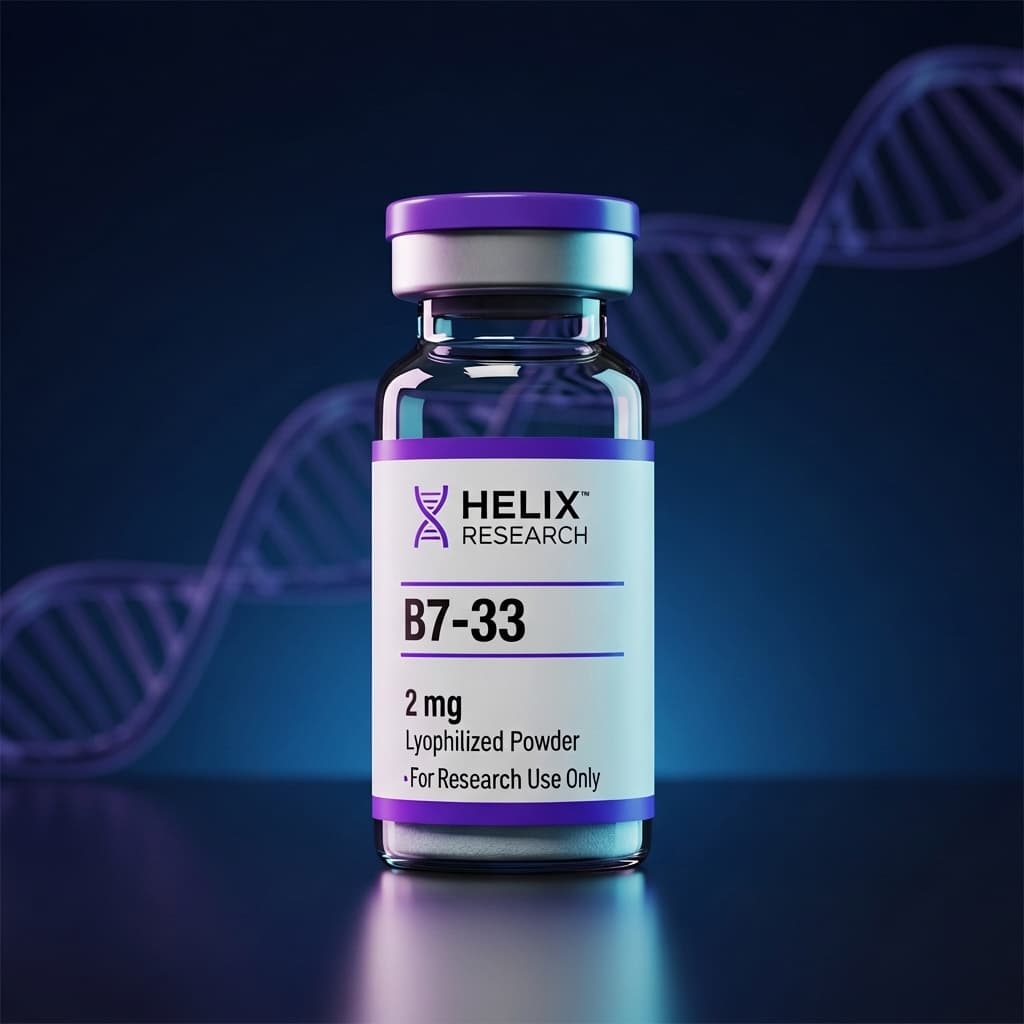
B7-33
Estudiado para la remodelación de colágeno y reducción de tejido cicatricial
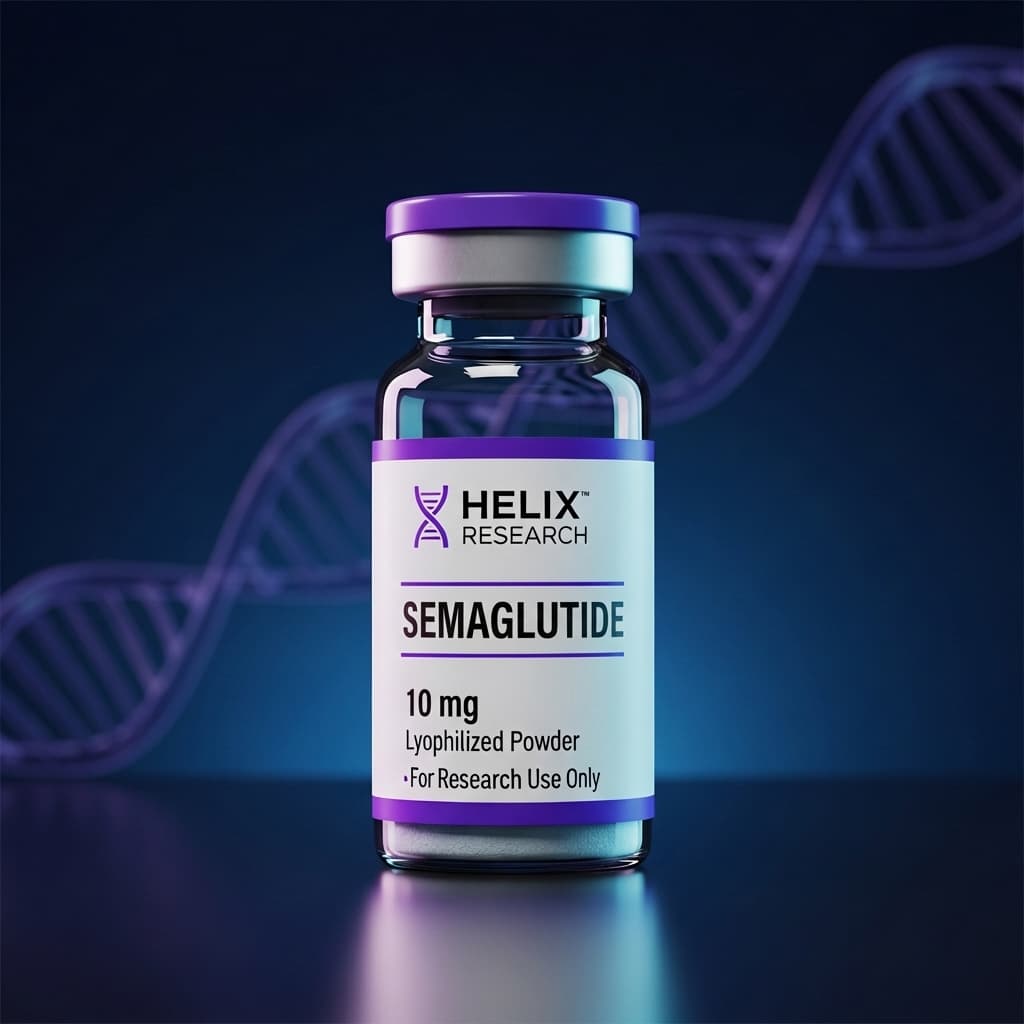
Up to 50% OffSemaglutide
Estudiado clínicamente para una reducción de peso constante — una vez por semana
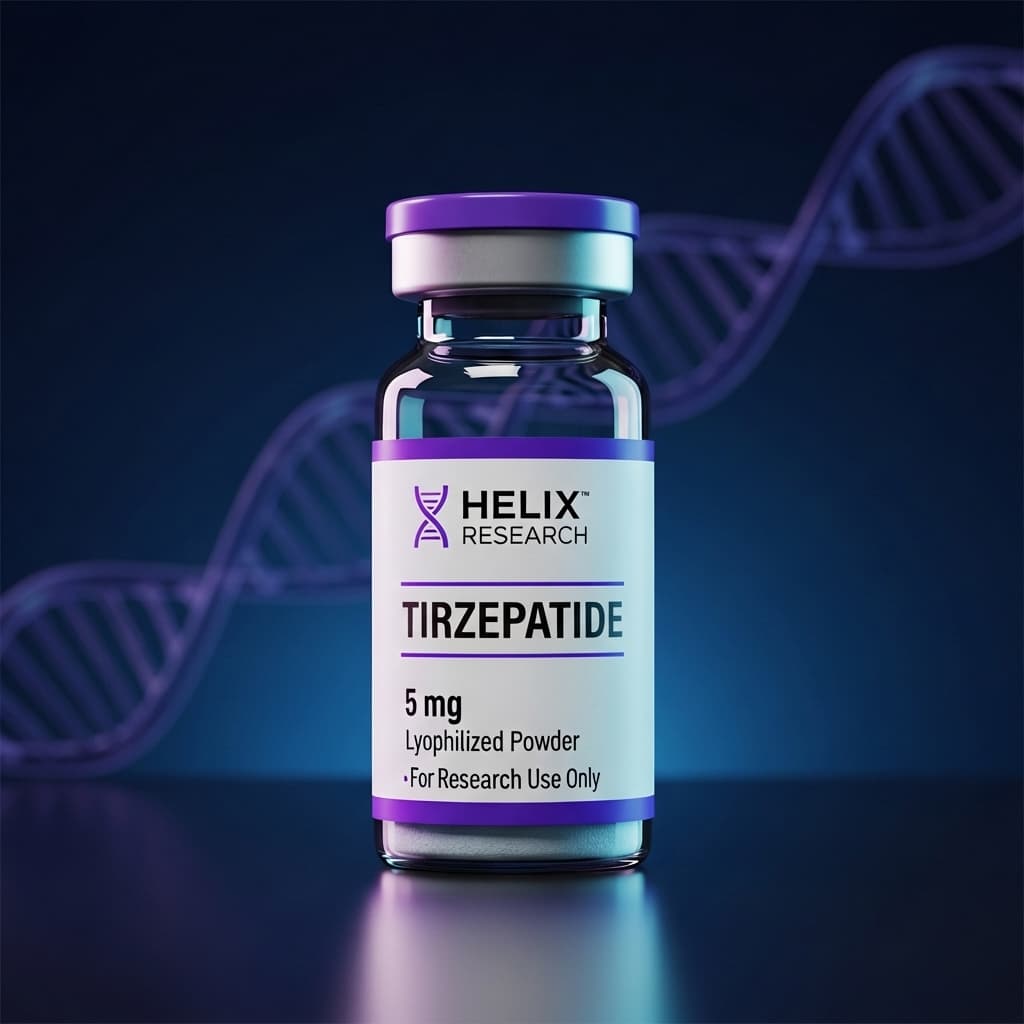
Up to 60% OffTirzepatide
El agonista dual más estudiado para la reducción de peso