Sin spam. Cancela en cualquier momento.
Análisis de Pureza HPLC
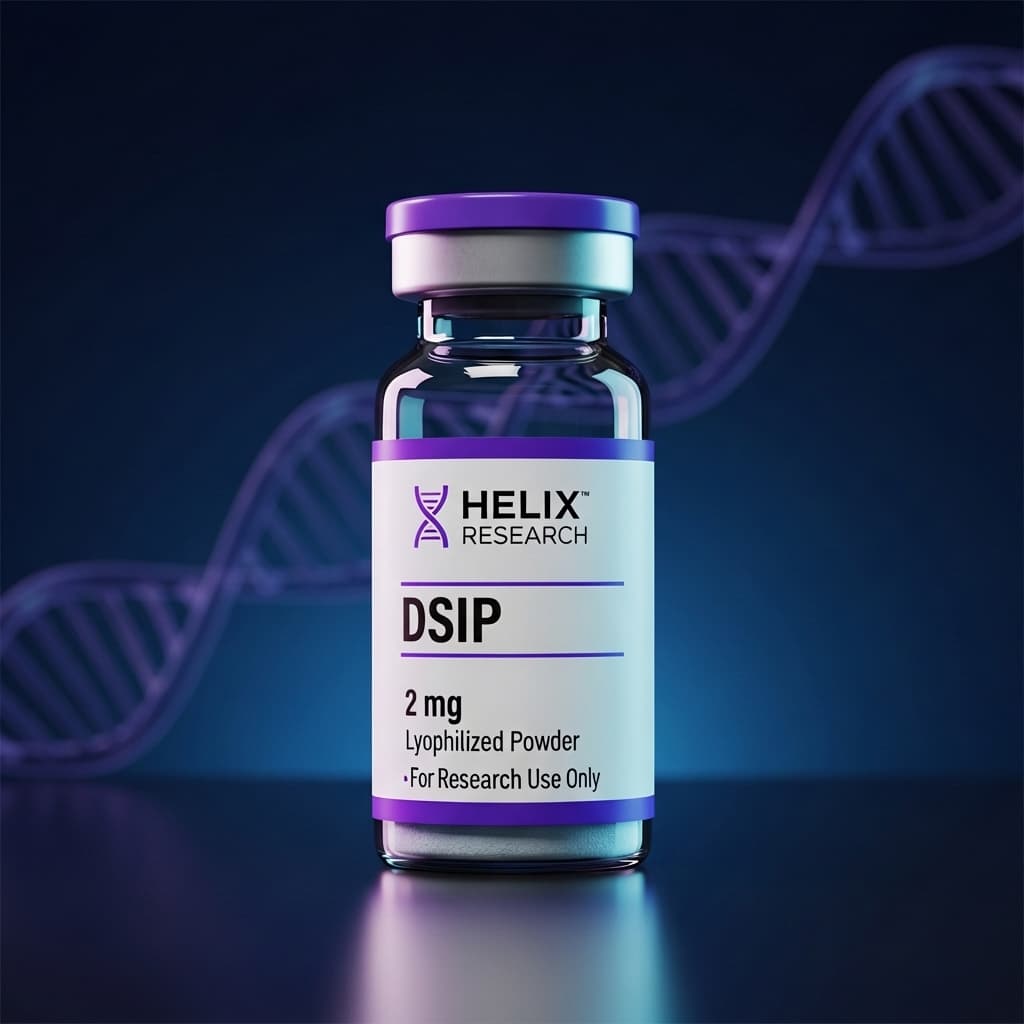
DSIP
CAS: 62568-57-4
Estudiado para la mejora de la arquitectura del sueño de ondas delta
DSIP is a research peptide in the cognitive / neuropeptides category. DSIP is a nonapeptide originally isolated from rabbit cerebral venous blood during electrically induced sleep. MiPeptidos offers DSIP in 2 sizes with 99.7% verified purity and full analytical documentation.
- Deeper delta-wave sleep
- Less nighttime waking
- Lower stress hormones
- Refreshed mornings
Studies often notice deeper sleep and easier sleep onset within the first few doses — without morning grogginess. By weeks 3-4, research suggests normalized cortisol rhythms, fewer nighttime awakenings, and enhanced growth hormone release through better slow-wave sleep. By weeks 5-8, accumulated restorative sleep leads to improved daytime mood, stress resilience, and cognitive performance.
$17.95/vial · Everything you need to start
Sin spam. Cancela en cualquier momento.
Análisis de Pureza HPLC
Sleep Deep. Wake Sharp.
8-week sleep restoration protocol backed by 40+ years of neuropeptide research and 5 published studies
DSIP (Delta Sleep-Inducing Peptide) is a naturally occurring nonapeptide (Trp-Ala-Gly-Gly-Asp-Ala-Ser-Gly-Glu) first isolated in 1977 from cerebral venous blood of rabbits during electrically induced sleep by Schoenenberger and Monnier. It was one of the first endogenous sleep-regulatory peptides discovered, named for its ability to promote delta-wave (slow-wave) sleep — the deepest, most restorative phase of the sleep cycle.
Resultados Publicados
Revisado por ParesResultados cuantificables de investigación clínica publicada.
Lo que Dicen los Expertos
4 MédicosProfesionales e investigadores líderes que han estudiado y prescrito este péptido.
Dr. Guido Schoenenberger
Professor, Department of Physiology, University of Basel
Co-discoverer of DSIP. Isolated and characterized delta sleep-inducing peptide from rabbit cerebral venous blood in 1977. Pioneer of endogenous sleep peptide research.
DSIP represents a fundamentally different approach to sleep pharmacology — rather than sedating the brain, it enhances the natural delta-wave sleep architecture that the brain produces on its own.
Research doses: 25-30 nmol/kg (approximately 100-250 mcg in humans) administered subcutaneously 30-60 minutes before desired sleep onset.
Fuente: Schoenenberger & Monnier (1977) Proceedings of the National Academy of Sciences
Dr. William Seeds
Founder, SSRP Institute
40+ years in cellular and molecular medicine. Author of 'Peptide Protocols: Volume 1'. Expert in peptide-based sleep and recovery optimization.
DSIP is unique because it doesn't force sleep — it restores the sleep architecture that gets disrupted by stress, aging, and modern lifestyle. The cortisol-lowering effect is particularly valuable for high-stress patients.
100-300 mcg subcutaneously, 30-60 minutes before bedtime. Start at lower dose. Use 4-5 nights per week, allowing some nights without. 4-8 week protocols.
Fuente: Peptide Protocols: Volume 1 (ISBN: 978-0578624358)
Dr. Neil Paulvin
Functional & Regenerative Medicine Physician, Manhattan
Known as 'Dr. Peptide.' Specializes in sleep optimization and stress recovery for high-performance individuals.
For my patients with cortisol-driven insomnia — executives, athletes in overtraining, anyone in chronic high-stress states — DSIP is transformative. It addresses the root cause: HPA axis dysregulation, not just the symptom of poor sleep.
100-250 mcg subcutaneously before bed. Can alternate with other sleep peptides. Particularly effective for stress-related insomnia and jet lag recovery. Combine with good sleep hygiene practices.
Fuente: Clinical practice; MindHack Podcast
Dr. Andrew Huberman
Professor of Neurobiology, Stanford University
Ph.D. in Neuroscience. Host of Huberman Lab podcast. Expert in circadian biology, sleep architecture, and neuroplasticity.
Slow-wave sleep is when the brain consolidates memories, clears metabolic waste via the glymphatic system, and releases growth hormone. Any intervention that genuinely enhances delta-wave sleep has profound implications for both cognition and physical recovery.
Emphasizes the importance of delta-wave sleep for cognitive function, growth hormone release, and brain clearance. Recommends viewing any sleep intervention through the lens of sleep architecture preservation.
Fuente: Huberman Lab Podcast: Sleep Toolkit and Master Your Sleep episodes (2022-2024)
Protocolo de Dosificación
3 FasesRégimen de dosificación paso a paso compilado de profesionales líderes e investigación clínica.
Start conservatively to assess individual response. DSIP does not cause acute sedation — it promotes natural sleep onset and enhances delta-wave architecture over subsequent sleep cycles. Track sleep quality subjectively and with wearables if available.
Titrate to the dose that produces noticeable improvement in sleep depth and morning freshness. Allow 2-3 nights per week without DSIP to prevent receptor desensitization. Peak HPA axis normalization occurs during this phase.
Reduce frequency as sleep architecture normalizes. Research participants find benefits persist on reduced dosing. Plan 4-week washout after full protocol. Some practitioners use DSIP intermittently as needed rather than in fixed cycles.
Add 1 mL bacteriostatic water to 2 mg vial = 2,000 mcg/mL. 100 mcg = 5 units on insulin syringe; 200 mcg = 10 units. For 5 mg vials: add 2 mL bac water = 2,500 mcg/mL.
Standard: 4-8 weeks on (4-5 nights/week), 4 weeks off. DSIP does not appear to create significant tolerance, but cycling maintains optimal receptor sensitivity. Some practitioners use DSIP as-needed (2-3x/week) long-term.
Lyophilized: -20°C for 24+ months. Reconstituted: 2-8°C, use within 30 days. DSIP has a relatively short plasma half-life (~15-25 min), so it should be administered shortly before the desired sleep window.
Subcutaneous injection 30-60 minutes before desired sleep onset. Avoid eating large meals within 2 hours of dosing. Dim lights and reduce screen exposure after injection to support natural melatonin release alongside DSIP's delta-wave promotion.
Cronología de Recuperación
Basado en observaciones de investigación publicada. Los resultados individuales varían. Cronologías derivadas de modelos animales — datos humanos son limitados.
Sleep Architecture Modulation Begins
- Initial enhancement of slow-wave (delta) sleep onset within first 1-3 doses
- Subtle improvements in subjective sleep depth and morning freshness
- Cortisol suppression begins — reduced evening cortisol levels
- DSIP does not cause morning grogginess (unlike GABAergic sleep aids)
- Sleep latency (time to fall asleep) may decrease in stress-related insomnia
Base de investigación: Schneider-Helmert & Schoenenberger (1983) European Neurology; Graf & Kastin (1984) Neuroscience & Biobehavioral Reviews
HPA Axis Normalization & Deep Sleep Enhancement
- Measurable increase in delta-wave sleep percentage per night
- Cortisol rhythms normalizing — lower evening, appropriate morning peak
- Growth hormone release enhanced through deeper slow-wave sleep windows
- Reduced nighttime awakenings and improved sleep continuity
- Daytime mood and stress resilience improving as sleep quality accumulates
Base de investigación: Graf et al. (1987) Annals of the New York Academy of Sciences; Schneider-Helmert (1985) Psychopharmacology
Peak Restoration & Cognitive Recovery
- Optimal sleep architecture established — delta-wave sleep maximized
- Cognitive function improvement from accumulated restorative sleep
- Physical recovery metrics improved (HRV, resting heart rate)
- Analgesic effects become notable — chronic pain patients report relief
- Full circadian rhythm normalization in shift workers and jet lag sufferers
Base de investigación: Schneider-Helmert (1985) Psychopharmacology; general sleep physiology
Maintenance Phase & Washout Planning
- Taper frequency to 2-3 nights per week
- Sleep architecture improvements often persist beyond active dosing
- HPA axis normalization provides lasting stress resilience
- Plan 4-week washout; monitor whether sleep quality maintains
Base de investigación: Schneider-Helmert & Schoenenberger (1983); general neuropeptide pharmacology
Mecanismo de Acción
4 vías biológicas distintas a través de las cuales opera este péptido.
Delta-Wave Sleep Enhancement
Promotes the slow-wave (delta, 0.5-4 Hz) sleep phase through modulation of hypothalamic sleep-wake regulatory circuits, without suppressing REM sleep or causing next-day sedation.
- Increases percentage of delta-wave sleep per night — the most restorative sleep stage
- Does not suppress REM sleep — preserves natural sleep architecture
- No morning grogginess or 'hangover' effect common with GABAergic sleep aids
- Works through sleep-regulatory circuitry rather than global CNS depression
Schneider-Helmert (1985) PMID: 3923516
HPA Axis Modulation
Modulates the hypothalamic-pituitary-adrenal axis, reducing stress-induced ACTH and cortisol elevation while normalizing circadian cortisol rhythms.
- Reduces stress-induced ACTH release from the anterior pituitary
- Normalizes disturbed diurnal cortisol patterns (high evening cortisol → normal)
- Does not suppress basal cortisol — allows appropriate morning cortisol awakening response
- Stress-protective effects contribute to both improved sleep and daytime resilience
Graf et al. (1987) PMID: 2955952
Endogenous Opioid Modulation
Interacts with the endogenous opioid system, producing mild analgesic effects that contribute to sleep comfort and pain-related sleep disruption relief.
- Analgesic effects demonstrated in chronic pain patients with insomnia
- Modulates enkephalin metabolism without direct opioid receptor agonism
- Pain relief contributes to reduced nighttime awakenings
- No opioid-like dependence, tolerance, or respiratory depression
Schneider-Helmert & Schoenenberger (1983) PMID: 6347974
Neuroendocrine Regulation
Influences LH release and growth hormone secretion patterns through hypothalamic neuroendocrine modulation during enhanced slow-wave sleep.
- Enhanced delta-wave sleep increases the natural pulsatile GH release that occurs during deep sleep
- LH modulation through hypothalamic GnRH circuit interaction
- Normalizes the neuroendocrine disruption caused by chronic sleep deprivation
Graf et al. (1987) PMID: 2955952; general sleep endocrinology
Investigación Publicada
5 estudios revisados por pares de PubMed. Haz clic en cualquier PMID para ver el estudio completo.
Delta sleep-inducing peptide (DSIP): A still unresolved riddle
Graf MV, Kastin AJ — Neuroscience & Biobehavioral Reviews (1984)
Hallazgo Clave: Comprehensive review establishing DSIP as a physiologically active peptide affecting sleep, pain, stress response, and neuroendocrine function. Confirmed delta-wave sleep enhancement across multiple species.
DSIP—a role in sleep and pain?
Schneider-Helmert D, Schoenenberger GA — European Neurology (1983)
Hallazgo Clave: In chronic insomnia patients, DSIP improved sleep efficiency, increased delta-wave sleep percentage, and reduced sleep latency. Analgesic effects observed in chronic pain patients with sleep disturbance.
Effects of DSIP on the sleep EEG in insomniacs: A pilot study
Schneider-Helmert D — Psychopharmacology (1985)
Hallazgo Clave: DSIP administration to chronic insomnia patients produced significant increase in delta-wave sleep and improved subjective sleep quality without suppressing REM sleep — fundamentally different from benzodiazepine-class hypnotics.
DSIP and hormonal regulation
Graf MV, Hunter AJ, Kastin AJ — Annals of the New York Academy of Sciences (1987)
Hallazgo Clave: DSIP modulates ACTH, cortisol, and LH release through hypothalamic-pituitary axis regulation. Reduces stress-induced ACTH elevation while normalizing disturbed diurnal cortisol rhythms.
Delta sleep-inducing peptide: improved sleep quality in insomniacs with normal sleep onset
Schneider-Helmert D, Schoenenberger GA — Sleep Research (1986)
Hallazgo Clave: DSIP improved polysomnographic sleep parameters in patients with maintenance insomnia (normal sleep onset but disrupted sleep continuity) — demonstrating effects on sleep architecture maintenance, not just induction.
Potencia tu Protocolo de Investigación
4 SinergiasLa investigación sugiere combinar DSIP con estos péptidos para mecanismos complementarios.

Selank handles daytime anxiety while DSIP restores nighttime sleep architecture — comprehensive circadian stress management.
Complete stress recovery cycle: Selank keeps cortisol-driven anxiety in check during the day, DSIP restores the deep sleep needed for neurological and hormonal recovery at night.

Epithalon restores melatonin production through pineal gland activation, complementing DSIP's delta-wave sleep promotion for complete sleep architecture support.
Full-spectrum sleep restoration: Epithalon for circadian timing and sleep onset, DSIP for sleep depth and delta-wave architecture. Particularly powerful for age-related sleep deterioration.

Deep delta-wave sleep is when the brain consolidates the day's learning. DSIP optimizes this consolidation phase while Semax enhances the daytime learning that gets consolidated.
Optimized learning cycle: Semax for daytime BDNF-driven learning and acquisition, DSIP for nighttime delta-wave consolidation. Together they exploit the full sleep-learning axis.

Orexin A promotes wakefulness and alertness during the day, working as the counter-regulatory partner to DSIP's nighttime sleep enhancement.
Clean circadian architecture: Orexin A for crisp daytime wakefulness, DSIP for deep nighttime sleep. Addresses the full 24-hour cycle rather than just one phase.
Especificaciones
Cómo Funciona DSIP
DSIP is a nonapeptide originally isolated from rabbit cerebral venous blood during electrically induced sleep. It promotes delta-wave (slow-wave) sleep by modulating neuroendocrine signaling, although its exact receptor has not been definitively identified. DSIP modulates corticotropin and cortisol levels, influences the hypothalamic-pituitary-adrenal axis, has analgesic properties through opioid system modulation, and exhibits antioxidant effects. It normalizes disrupted sleep architecture and has stress-protective effects on multiple organ systems.
Aplicaciones de Investigación
Precios
| Tamaño | Por Vial | Paquete de 10 | Ahorro |
|---|---|---|---|
2mgOferta | $24.95$30.00 | $212.07 | 17% descuento |
5mgMejor ValorOferta | $31.95$40.00 | $271.57 | 20% descuento |
Precios de paquete de 10 mostrados. Descuentos por volumen para 50+ viales — contáctenos.
Certificado de Análisis
Este COA es una muestra representativa. Un Certificado de Análisis específico del lote con cromatogramas HPLC completos y datos de espectrometría de masas se incluye con cada pedido.
Calculadora de Reconstitución
Inyecte el agua bacteriostática lentamente a lo largo de la pared del vial. Agite suavemente hasta disolver — nunca sacuda. Almacene la solución reconstituida a 2-8°C y use dentro de 30 días.
Reseñas de Clientes
Preguntas Frecuentes
Seguridad y Advertencias
Not FDA-approved for human use
DSIP is classified as a research peptide. Despite human studies dating to the 1980s, it has not been approved by any Western regulatory agency. All information is for research and educational purposes.
Limited modern clinical data
Most human studies are from the 1980s with small sample sizes and older methodologies. No large-scale randomized controlled trials have been conducted. Safety data is limited to these early studies.
Solo para Fines de Investigación y Educación. No es consejo médico. No para consumo humano. Consulte a un médico autorizado antes de tomar cualquier decisión relacionada con la salud.
Péptidos Relacionados

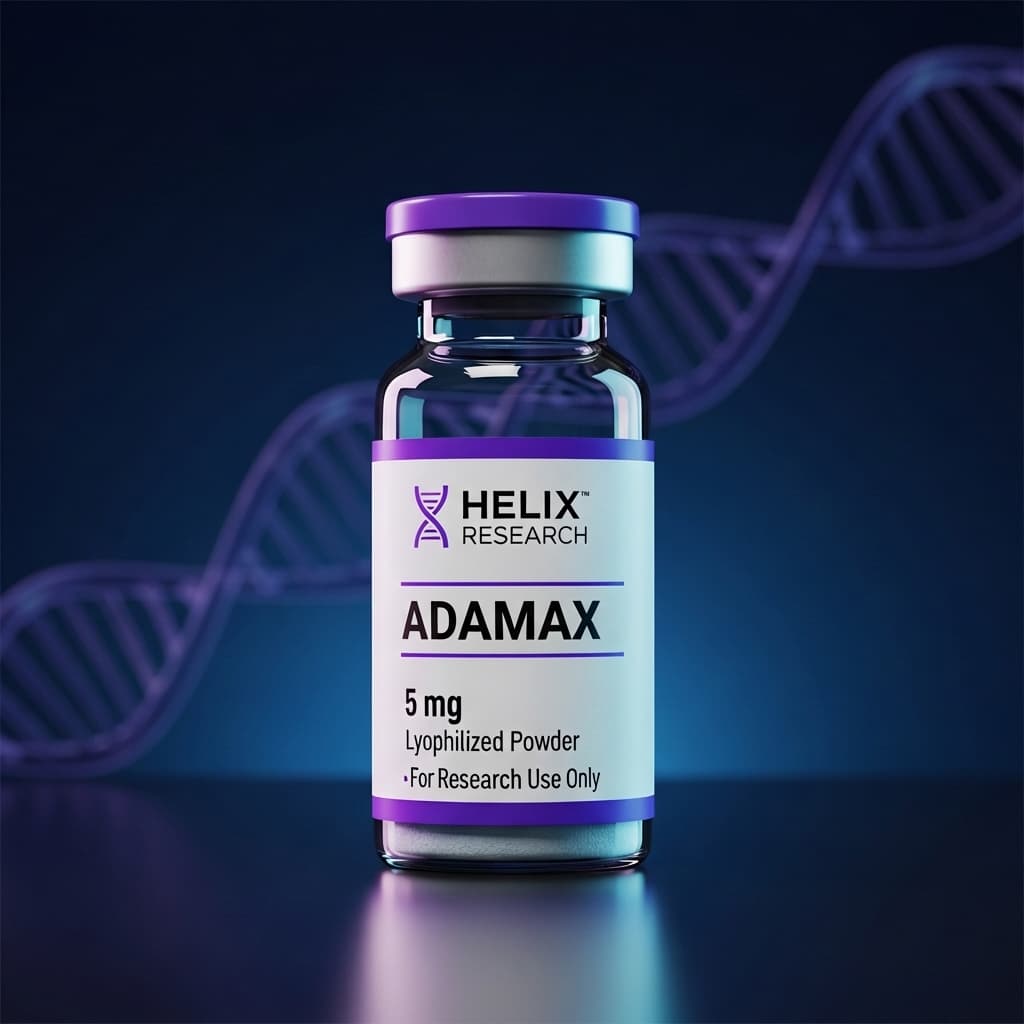
Adamax
Análogo mejorado de Semax estudiado para la regulación positiva de BDNF
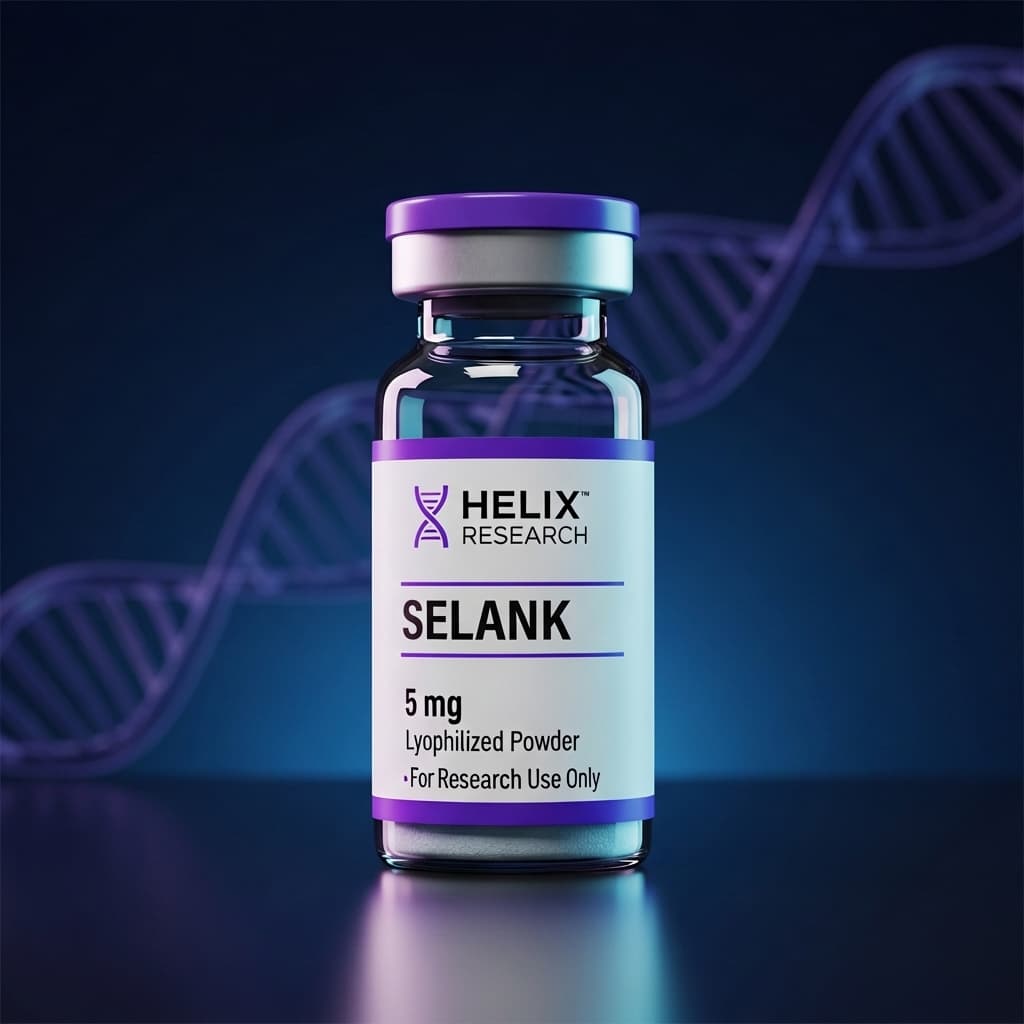
Up to 45% OffSelank
Estudiado para efectos ansiolíticos sin deterioro cognitivo
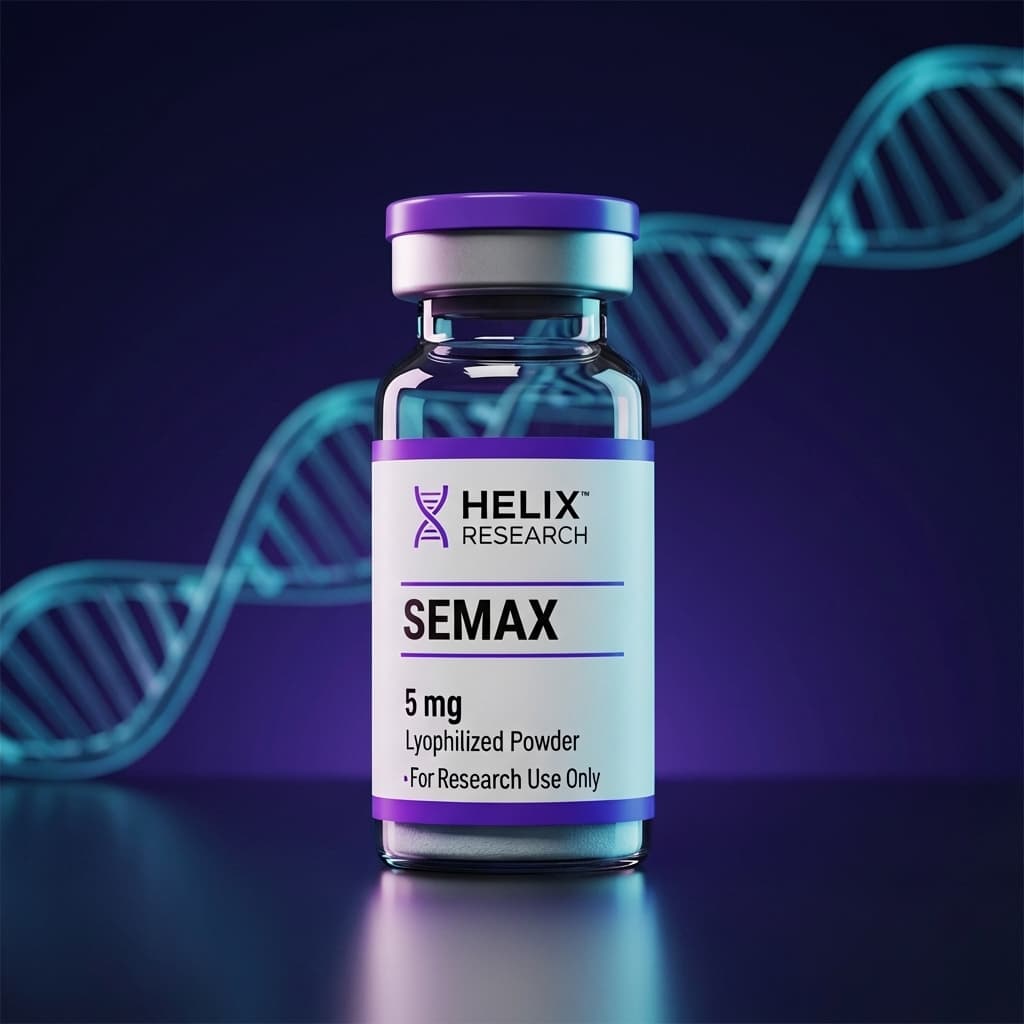
Up to 37% OffSemax
Neuropéptido estudiado para el enfoque y memoria mediados por BDNF
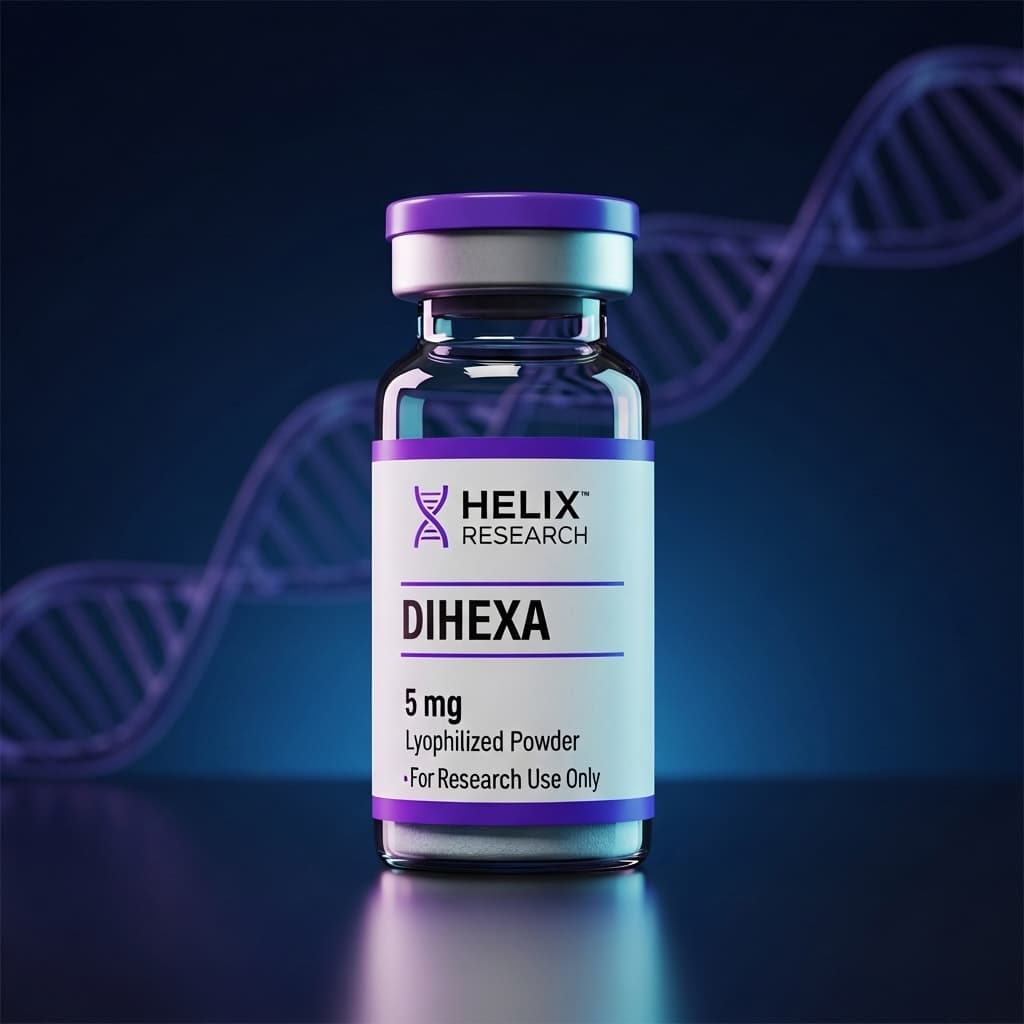
Staff PickDihexa
Estudiado para la plasticidad sináptica HGF/c-Met a dosis picomolares