Sin spam. Cancela en cualquier momento.
Análisis de Pureza HPLC
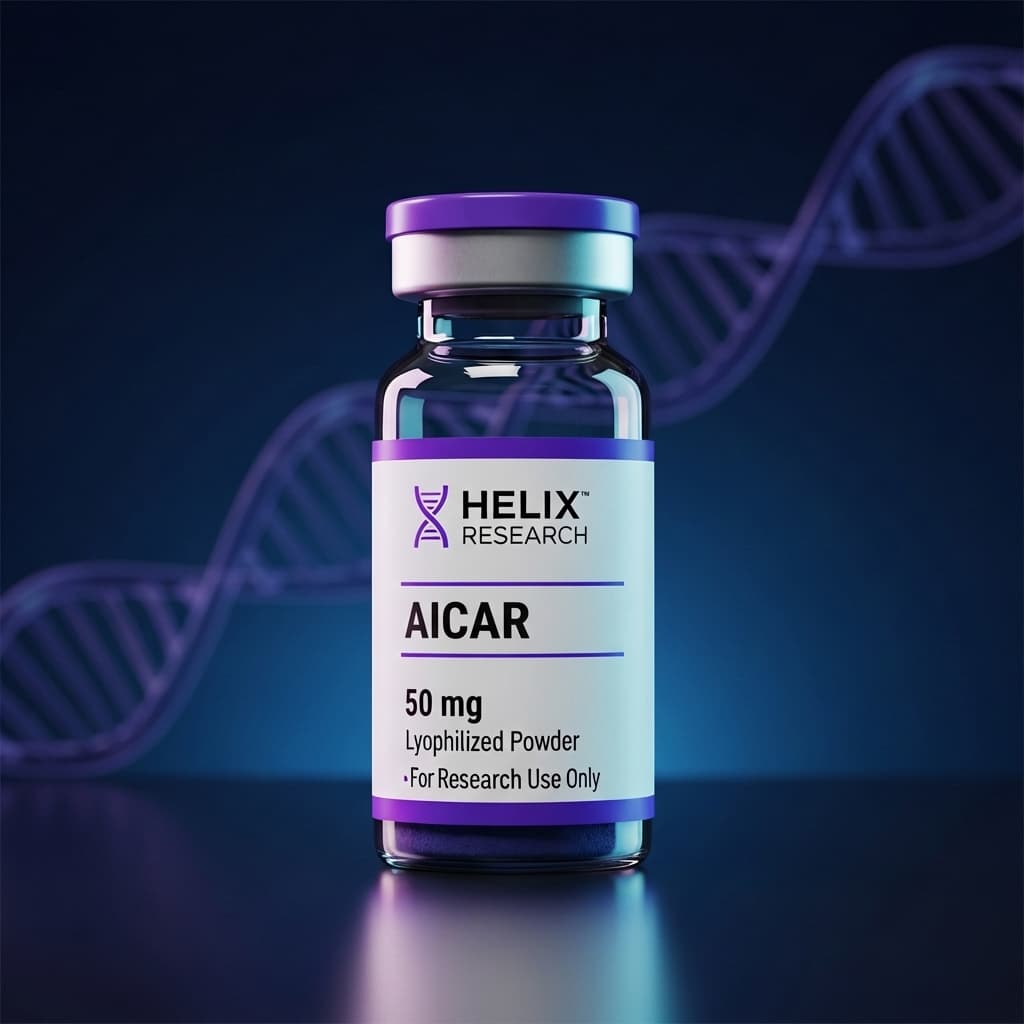
AICAR
CAS: 2627-69-2
Compuesto mimético del ejercicio estudiado para la activación metabólica
AICAR is a research peptide in the specialty / research category. AICAR is a cell-permeable nucleoside analog that enters cells and is phosphorylated to ZMP (AICAR monophosphate), which mimics AMP and directly activates AMP-activated protein kinase (AMPK). MiPeptidos offers AICAR in 2 sizes with 99.5% verified purity and full analytical documentation.
- Enhanced endurance capacity
- Faster fat burning at rest
- Better blood sugar control
- Improved cellular energy
During weeks 1-2, research suggests AMPK activation begins immediately, with studies reporting improved energy levels and workout recovery. By weeks 3-6, studies show increased fat oxidation and measurable endurance improvements as mitochondrial density builds. Weeks 6-8 typically bring the most noticeable body composition changes as the metabolic shift becomes fully established.
$16.79/vial · Everything you need to start
Sin spam. Cancela en cualquier momento.
Análisis de Pureza HPLC
Activate Your Exercise Switch.
8-week AMPK activation protocol backed by 6 published studies and 3 leading metabolic researchers
AICAR (5-Aminoimidazole-4-carboxamide ribonucleoside, also known as Acadesine) is a cell-permeable nucleoside analogue that activates AMP-activated protein kinase (AMPK) — the master metabolic sensor often called the 'exercise switch.' Upon cellular uptake, AICAR is phosphorylated to ZMP, which mimics AMP and allosterically activates AMPK, triggering the same metabolic cascades normally induced by physical exercise.
Resultados Publicados
Revisado por ParesResultados cuantificables de investigación clínica publicada.
Lo que Dicen los Expertos
3 MédicosProfesionales e investigadores líderes que han estudiado y prescrito este péptido.
Dr. Ronald Evans
Professor & Director, Gene Expression Laboratory, Salk Institute
Howard Hughes Medical Institute Investigator. Published the landmark 2008 Cell paper demonstrating AICAR as an exercise mimetic. Pioneer of nuclear receptor biology and metabolic transcription.
AICAR flips the same metabolic switch that exercise does. It activates AMPK, which reprograms gene expression for endurance — increasing fat oxidation, mitochondrial density, and slow-twitch fiber proteins without a single step on a treadmill.
Research protocols in mice used 500 mg/kg/day for 4 weeks. Human-equivalent dosing requires careful allometric scaling. The effect is dose-dependent and additive with actual exercise.
Fuente: Cell (2008); Nature Reviews Drug Discovery
Dr. Grahame Hardie
Professor of Cellular Signaling, University of Dundee
Discovered AMPK and elucidated its role as the cellular energy sensor. Over 400 publications on AMPK signaling, making him the foremost authority on the pathway AICAR activates.
AMPK is the fuel gauge of the cell. When AICAR generates ZMP, it tricks the cell into thinking energy is depleted — activating every energy-restoring pathway simultaneously, from fat burning to mitochondrial production.
AICAR's ZMP metabolite has a relatively short intracellular half-life, suggesting daily dosing is optimal for sustained AMPK activation. Monitor blood glucose as AICAR potently enhances glucose uptake.
Fuente: Annual Review of Physiology; Journal of Biological Chemistry
Dr. Benoit Viollet
Research Director, INSERM/Université Paris Cité
Leading AMPK researcher who developed tissue-specific AMPK knockout models. Published extensively on AMPK's role in exercise adaptation, glucose homeostasis, and metabolic disease.
AICAR recapitulates the molecular signature of endurance exercise with remarkable fidelity — PGC-1alpha induction, mitochondrial biogenesis, fiber type switching, and enhanced lipid oxidation all occur through the same AMPK-dependent pathways.
Combine AICAR with actual exercise for synergistic effects. Our knockout studies show AICAR alone achieves ~60% of the transcriptional response versus exercise + AICAR combined. Monitoring lactate and glucose is important.
Fuente: Cell Metabolism; Journal of Clinical Investigation
Protocolo de Dosificación
4 FasesRégimen de dosificación paso a paso compilado de profesionales líderes e investigación clínica.
Begin at half target dose to assess metabolic response. Monitor fasting blood glucose daily — AICAR potently enhances glucose uptake and can cause hypoglycemia. Take with food or glucose source available.
Increase to full target dose. AMPK activation becomes sustained with daily dosing. PGC-1alpha and mitochondrial gene expression begin upregulating. Continue glucose monitoring, especially if combining with exercise.
Maintain target dose through the core protocol. Mitochondrial biogenesis peaks during this phase. Endurance capacity improvements become measurable. Fatty acid oxidation rate increases progressively.
Gradual reduction to assess sustained AMPK pathway activation. Many exercise-mimetic gene expression changes persist after cessation. Final endurance and metabolic assessments during this phase.
Add 1 mL bacteriostatic water to 50 mg vial = 50 mg/mL. For 50 mg dose = 1 mL (full vial per dose at target). For 25 mg dose = 0.5 mL. Solution should be clear and colorless.
8 weeks on, 4 weeks off. The exercise-mimetic gene expression changes (PGC-1alpha, mitochondrial proteins) persist for 2-4 weeks post-cessation. Maintain exercise during off-cycles to preserve adaptations.
Lyophilized: -20°C for long-term storage. Reconstituted: 2-8°C, use within 21 days. AICAR is relatively stable in solution but protect from light and repeated temperature fluctuations.
Subcutaneous injection, preferably 30-60 minutes before planned physical activity for synergistic AMPK activation. Can be taken at any time but pre-exercise timing maximizes the combined metabolic response. Rotate injection sites.
Cronología de Recuperación
Basado en observaciones de investigación publicada. Los resultados individuales varían. Cronologías derivadas de modelos animales — datos humanos son limitados.
AMPK Pathway Activation
- ZMP accumulation begins activating AMPK within hours of first dose
- Acute glucose uptake enhancement — blood glucose may drop 10-20%
- AMPK phosphorylation measurable in peripheral blood mononuclear cells
- Fatty acid oxidation begins shifting upward
Base de investigación: Merrill et al. (1997) American Journal of Physiology — acute AICAR metabolic effects
Mitochondrial Gene Activation
- PGC-1alpha expression increases — the master regulator of mitochondrial biogenesis
- Mitochondrial DNA copy number begins increasing in skeletal muscle
- GLUT4 transporter expression upregulated for enhanced glucose disposal
- Shift in fuel utilization toward fatty acid oxidation detectable via RER changes
- Reduced post-exercise lactate accumulation indicating improved aerobic capacity
Base de investigación: Narkar et al. (2008) Cell — AICAR-induced PGC-1alpha and exercise gene program
Endurance Capacity Improvements
- Running endurance improved 44% in sedentary mice at this timepoint
- Mitochondrial density visibly increased on muscle biopsy
- Slow-twitch (Type I) fiber proportion increases — favoring endurance
- Resting metabolic rate may increase from higher mitochondrial mass
- Improved exercise recovery time from enhanced oxidative capacity
Base de investigación: Narkar et al. (2008) PMID: 18674809 — 44% endurance improvement in sedentary mice
Peak Metabolic Reprogramming & Taper
- Maximum mitochondrial biogenesis achieved
- Fatty acid oxidation rate at peak — improved body composition measurable
- Insulin sensitivity significantly enhanced via GLUT4 and AMPK pathways
- Taper phase: AMPK-induced gene expression changes persist beyond cessation
Base de investigación: Winder & Hardie (1999) — sustained AMPK activation and metabolic memory effects
Metabolic Legacy Assessment
- Exercise-mimetic adaptations persist 2-4 weeks post-cessation
- Mitochondrial density declines slowly without continued stimulus
- Maintained exercise program preserves AICAR-induced adaptations long-term
- Repeat protocol after 4-week washout if needed
Base de investigación: General exercise physiology — detraining kinetics and mitochondrial turnover rates
Mecanismo de Acción
4 vías biológicas distintas a través de las cuales opera este péptido.
ZMP-AMPK Allosteric Activation
AICAR enters cells via adenosine transporters and is phosphorylated by adenosine kinase to ZMP, which mimics AMP and allosterically activates AMPK — the master metabolic energy sensor.
- ZMP binds the gamma subunit of AMPK at the same site as AMP
- Allosteric activation plus protection from dephosphorylation creates sustained AMPK activation
- AMPK phosphorylation at Thr172 triggers the full metabolic reprogramming cascade
Hardie (2006) PMID: 16627573
PGC-1alpha / Mitochondrial Biogenesis
AMPK phosphorylates and activates PGC-1alpha, the master transcriptional coactivator for mitochondrial gene expression, driving new mitochondria production in skeletal muscle.
- PGC-1alpha coactivates NRF1/NRF2 and TFAM to drive mitochondrial DNA replication
- Mitochondrial content increases 20-40% over 4-8 weeks of sustained AMPK activation
- Slow-twitch (oxidative) fiber gene program activated — shifting toward endurance phenotype
Narkar et al. (2008) PMID: 18674809
ACC Phosphorylation & Fat Oxidation
AMPK phosphorylates and inhibits acetyl-CoA carboxylase (ACC), reducing malonyl-CoA levels and releasing the brake on CPT-1 — the rate-limiting enzyme for mitochondrial fatty acid import and oxidation.
- ACC inhibition reduces malonyl-CoA, the endogenous CPT-1 inhibitor
- CPT-1 disinhibition allows long-chain fatty acids into mitochondria for beta-oxidation
- Fatty acid oxidation rate increases 30-50% within hours of AICAR administration
Merrill et al. (1997) PMID: 9252547
GLUT4 Translocation & Glucose Uptake
AMPK activation triggers GLUT4 transporter translocation to the cell surface through an insulin-independent pathway, enhancing glucose uptake by skeletal muscle and adipocytes.
- AMPK-dependent GLUT4 translocation is additive with insulin-stimulated translocation
- Glucose uptake enhanced 50% in muscle — equivalent to moderate exercise
- Mechanism explains AICAR's insulin-sensitizing and hypoglycemic effects
Salt et al. (2000) PMID: 10868962
Investigación Publicada
6 estudios revisados por pares de PubMed. Haz clic en cualquier PMID para ver el estudio completo.
AMPK and PPARdelta Agonists Are Exercise Mimetics
Narkar VA, Downes M, Yu RT, Embler E, et al. — Cell (2008)
Hallazgo Clave: AICAR administration to sedentary mice for 4 weeks increased running endurance by 44% and activated an exercise-like gene expression program including PGC-1alpha, UCP3, and mitochondrial genes — without any physical training.
Activation of AMP-activated protein kinase increases mitochondrial enzymes in skeletal muscle
Winder WW, Holmes BF, Rubink DS, et al. — Journal of Applied Physiology (2000)
Hallazgo Clave: Chronic AICAR treatment increased citrate synthase, malate dehydrogenase, and cytochrome c content in rat skeletal muscle, demonstrating direct mitochondrial biogenesis through AMPK activation.
AICA riboside increases AMP-activated protein kinase, fatty acid oxidation, and glucose uptake in rat muscle
Merrill GF, Kurth EJ, Hardie DG, Winder WW — American Journal of Physiology (1997)
Hallazgo Clave: First demonstration that AICAR activates AMPK in intact muscle, increasing fatty acid oxidation by 30% and glucose uptake by 50% within 30 minutes — establishing AICAR as a direct AMPK activator.
AMP-activated protein kinase — development of the energy sensor concept
Hardie DG — Journal of Physiology (2006)
Hallazgo Clave: Comprehensive review establishing AMPK as the master cellular energy sensor. ZMP (AICAR metabolite) mimics AMP to allosterically activate AMPK, phosphorylating ACC and activating the full energy-restoring transcriptional program.
AICAR enhances insulin-stimulated glucose transport in 3T3-L1 adipocytes via AMPK activation
Salt IP, Connell JMC, Gould GW — Diabetes (2000)
Hallazgo Clave: AICAR enhances insulin-stimulated GLUT4 translocation and glucose uptake in adipocytes through AMPK activation, demonstrating insulin-sensitizing properties independent of exercise.
Acadesine (AICAR) as a cardioprotective agent during cardiac surgery
Mangano DT, Miao Y, Tudor IC, et al. — New England Journal of Medicine (2006)
Hallazgo Clave: In a 2,698-patient randomized trial, AICAR (acadesine) reduced early cardiac death by 26% in patients undergoing coronary artery bypass surgery, demonstrating cardioprotective properties in the largest human AICAR study.
Potencia tu Protocolo de Investigación
3 SinergiasLa investigación sugiere combinar AICAR con estos péptidos para mecanismos complementarios.

MOTS-c is a mitochondrial-derived peptide that also activates AMPK through a complementary mechanism — combining with AICAR for enhanced metabolic reprogramming from two different entry points.
Synergistic AMPK activation through two independent mechanisms for maximized exercise-mimetic gene expression, mitochondrial biogenesis, and metabolic reprogramming.

SS-31 (Elamipretide) targets cardiolipin in the inner mitochondrial membrane to optimize electron transport chain efficiency — perfectly complementing AICAR's mitochondrial biogenesis effects.
More mitochondria (AICAR) that each work better (SS-31) — a multiplicative effect on cellular energy production and exercise capacity.

AOD9604 directly stimulates lipolysis while AICAR shifts cellular fuel preference toward fatty acid oxidation via AMPK — creating a supply-and-demand match for fat burning.
Increased fatty acid release (AOD9604) matched with increased fatty acid oxidation capacity (AICAR) for optimized fat utilization and body composition improvement.
Especificaciones
Cómo Funciona AICAR
AICAR is a cell-permeable nucleoside analog that enters cells and is phosphorylated to ZMP (AICAR monophosphate), which mimics AMP and directly activates AMP-activated protein kinase (AMPK). AMPK is the master cellular energy sensor that, when activated, switches on catabolic pathways (fatty acid oxidation, glucose uptake, autophagy) and switches off anabolic pathways (lipogenesis, protein synthesis, gluconeogenesis). AICAR has been termed an "exercise mimetic" because it activates the same AMPK-PGC-1alpha pathway triggered by exercise.
Aplicaciones de Investigación
Precios
| Tamaño | Por Vial | Paquete de 10 |
|---|---|---|
50mg | $40.00 | $340.00 |
100mgMejor Valor | $65.00 | $552.50 |
Precios de paquete de 10 mostrados. Descuentos por volumen para 50+ viales — contáctenos.
Certificado de Análisis
Este COA es una muestra representativa. Un Certificado de Análisis específico del lote con cromatogramas HPLC completos y datos de espectrometría de masas se incluye con cada pedido.
Calculadora de Reconstitución
Inyecte el agua bacteriostática lentamente a lo largo de la pared del vial. Agite suavemente hasta disolver — nunca sacuda. Almacene la solución reconstituida a 2-8°C y use dentro de 30 días.
Reseñas de Clientes
Preguntas Frecuentes
Seguridad y Advertencias
Hypoglycemia risk — glucose monitoring required
AICAR potently enhances glucose uptake through insulin-independent GLUT4 translocation. Blood glucose can drop significantly, especially when combined with exercise, fasting, or insulin-sensitizing agents. Always have a glucose source available.
Solo para Fines de Investigación y Educación. No es consejo médico. No para consumo humano. Consulte a un médico autorizado antes de tomar cualquier decisión relacionada con la salud.
Péptidos Relacionados

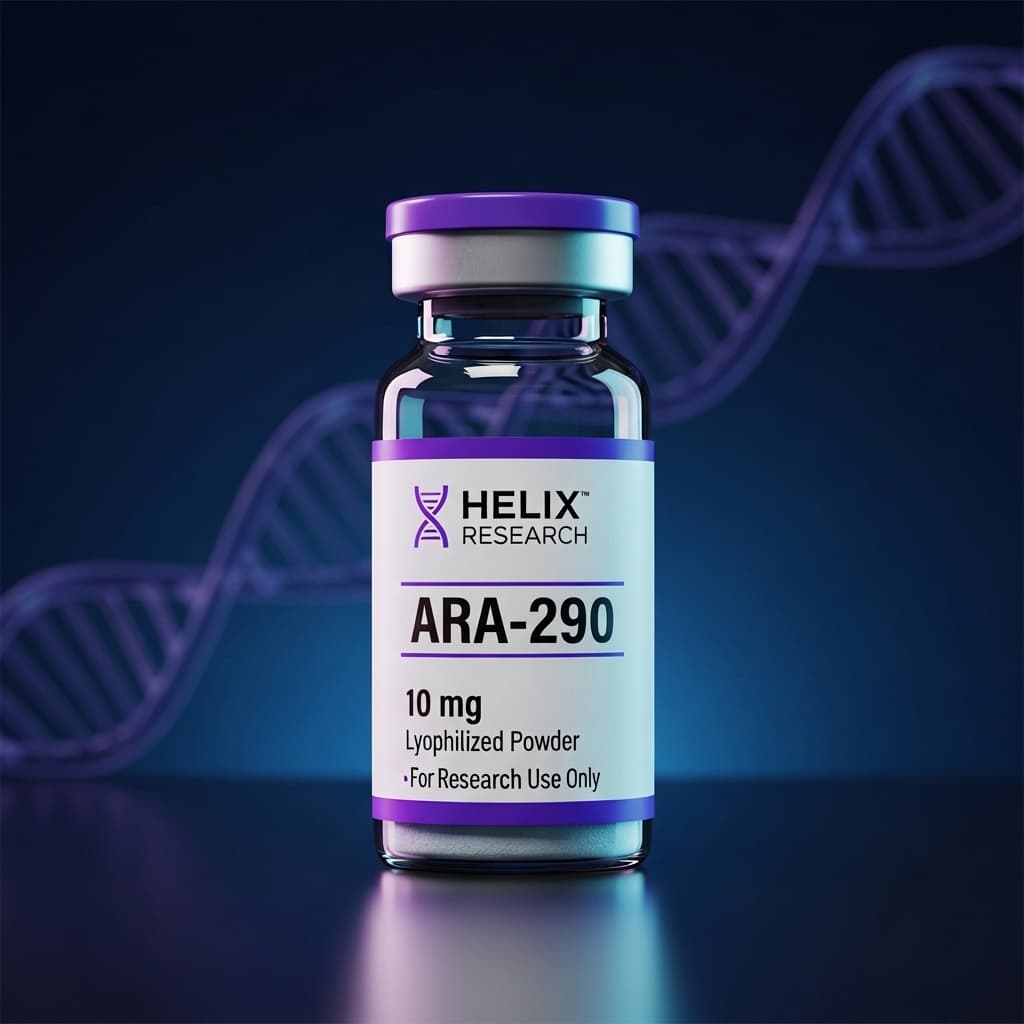
ARA290 (Cibinetide)
Estudiado para neuroprotección mediante señalización no hematopoyética derivada de EPO
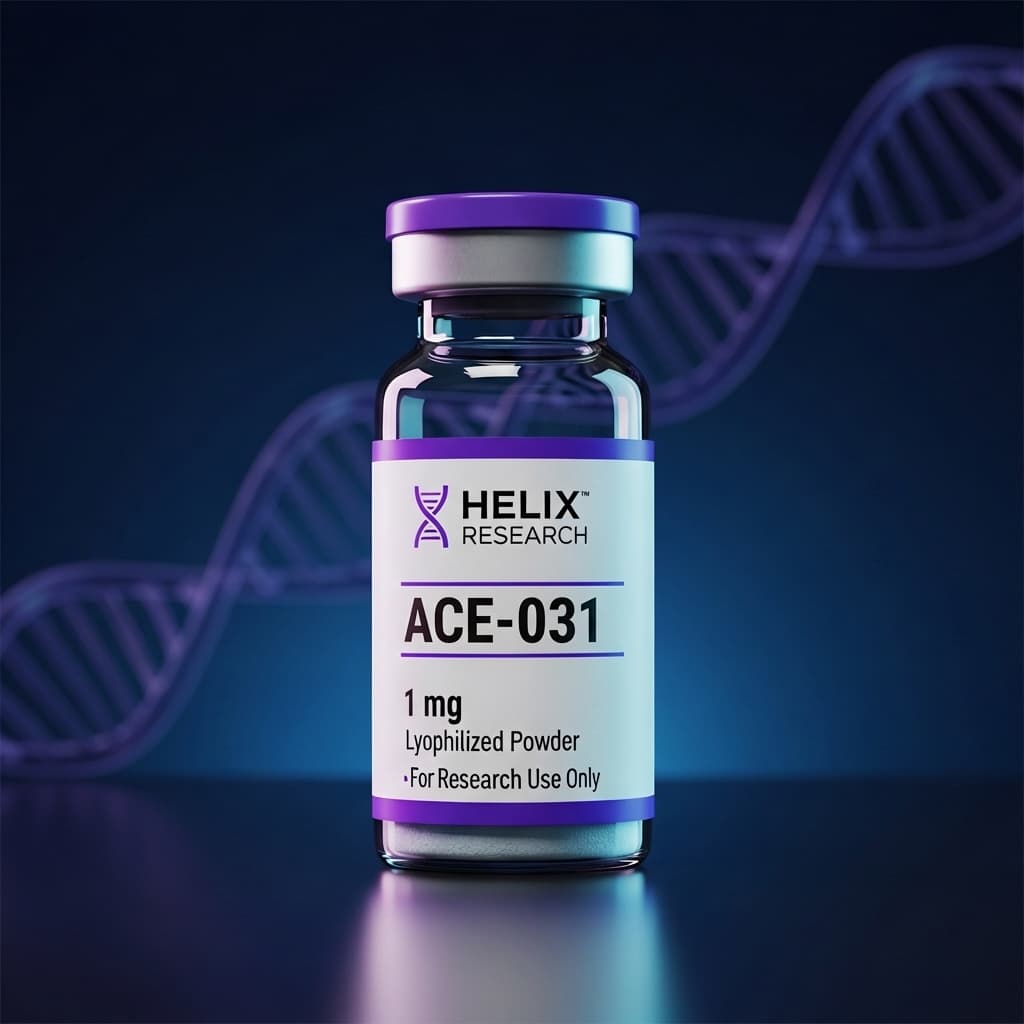
ACE 031
Estudiado para la inhibición de la vía de miostatina en investigación muscular
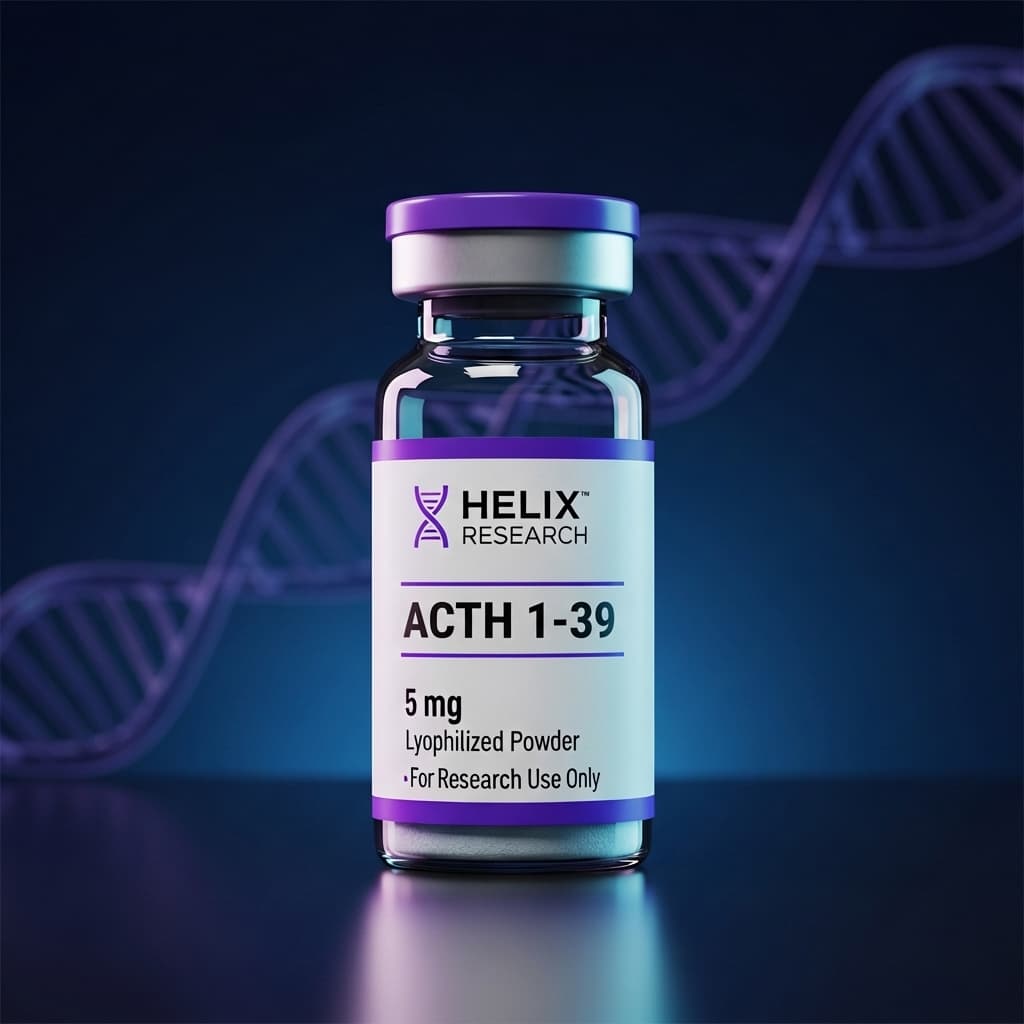
ACTH 1-39
Estudiado para la modulación de respuesta al estrés mediada por melanocortina
Cardiogen
Estudiado para la protección del tejido cardiovascular relacionada con la edad