
No spam. Unsubscribe anytime.
HPLC Purity Analysis
Bacteriostatic Water
CAS: 7732-18-5 (water); contains 0.9% benzyl alcohol (CAS 100-51-6) as preservative
Peptide reconstitution and dilution · Multi-dose vial preparation · Injectable formulation compounding
Bacteriostatic water is sterile water for injection containing 0.9% benzyl alcohol as a bacteriostatic preservative.
- Peptide reconstitution and dilution
- Multi-dose vial preparation
- Injectable formulation compounding
- Sterile technique and laboratory use
This product is intended for laboratory research purposes only. Not for human consumption. Handle with appropriate safety precautions.
Frequently Bought Together

Semaglutide
GLP-1 / Weight Management
No spam. Unsubscribe anytime.
HPLC Purity Analysis
Specifications
How Bacteriostatic Water Works
Bacteriostatic water is sterile water for injection containing 0.9% benzyl alcohol as a bacteriostatic preservative. The benzyl alcohol inhibits bacterial growth, allowing the vial to be used for multiple reconstitutions over an extended period. It is used as a diluent for reconstituting lyophilized peptides and medications. The benzyl alcohol disrupts bacterial cell membrane integrity and interferes with microbial metabolic processes, preventing contamination of multi-use vials.
Research Applications
Pricing
| Size | Per Vial | 10-Pack |
|---|---|---|
3ml | $10.00 | $100.00 |
10mlBest Value | $12.00 | $120.00 |
10-pack pricing shown. Volume discounts for 50+ vials — contact us.
Certificate of Analysis
This COA is a representative sample. A batch-specific Certificate of Analysis with full HPLC chromatograms and mass spectrometry data is included with every order.
Research Use Only. This product is intended for laboratory research purposes only. Not for human consumption. Handle with appropriate safety precautions.
Related Peptides
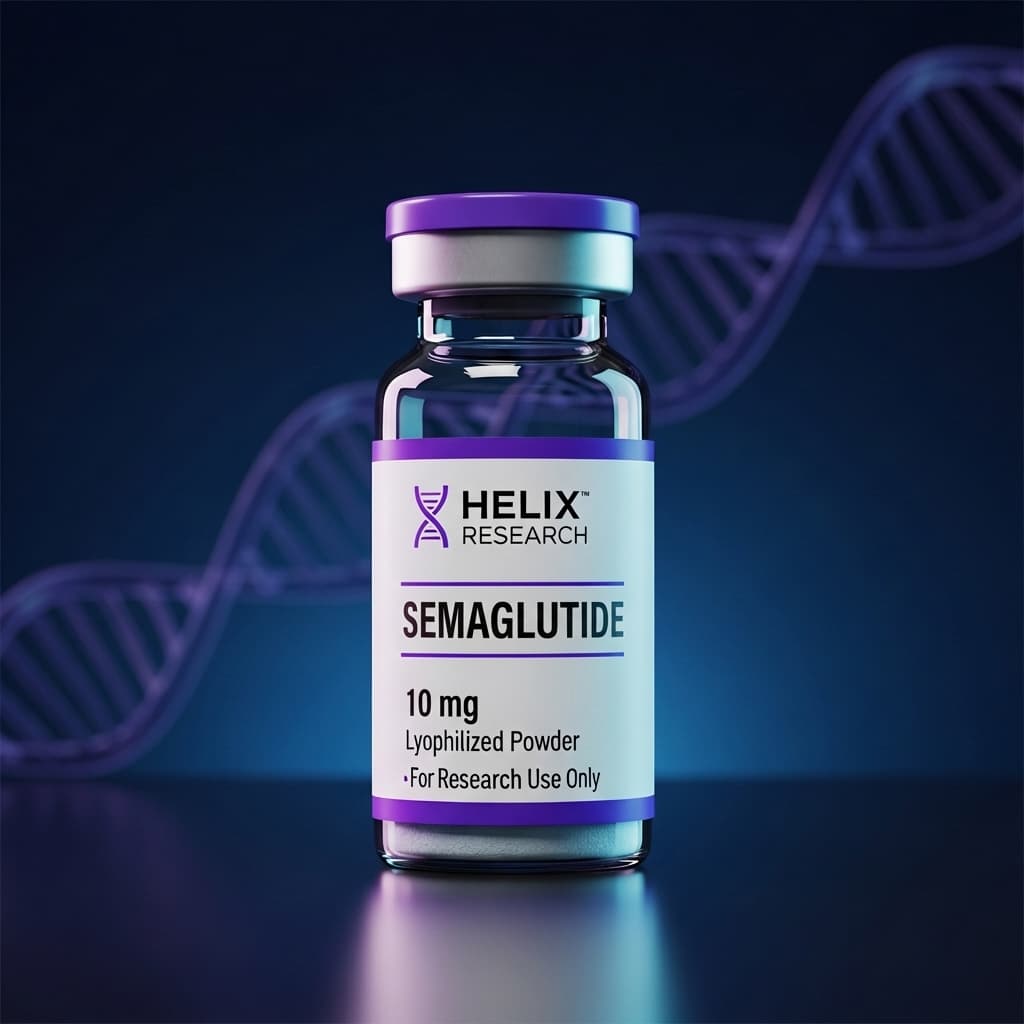 Up to 50% Off
Semaglutide
Clinically studied for steady weight reduction — once weekly
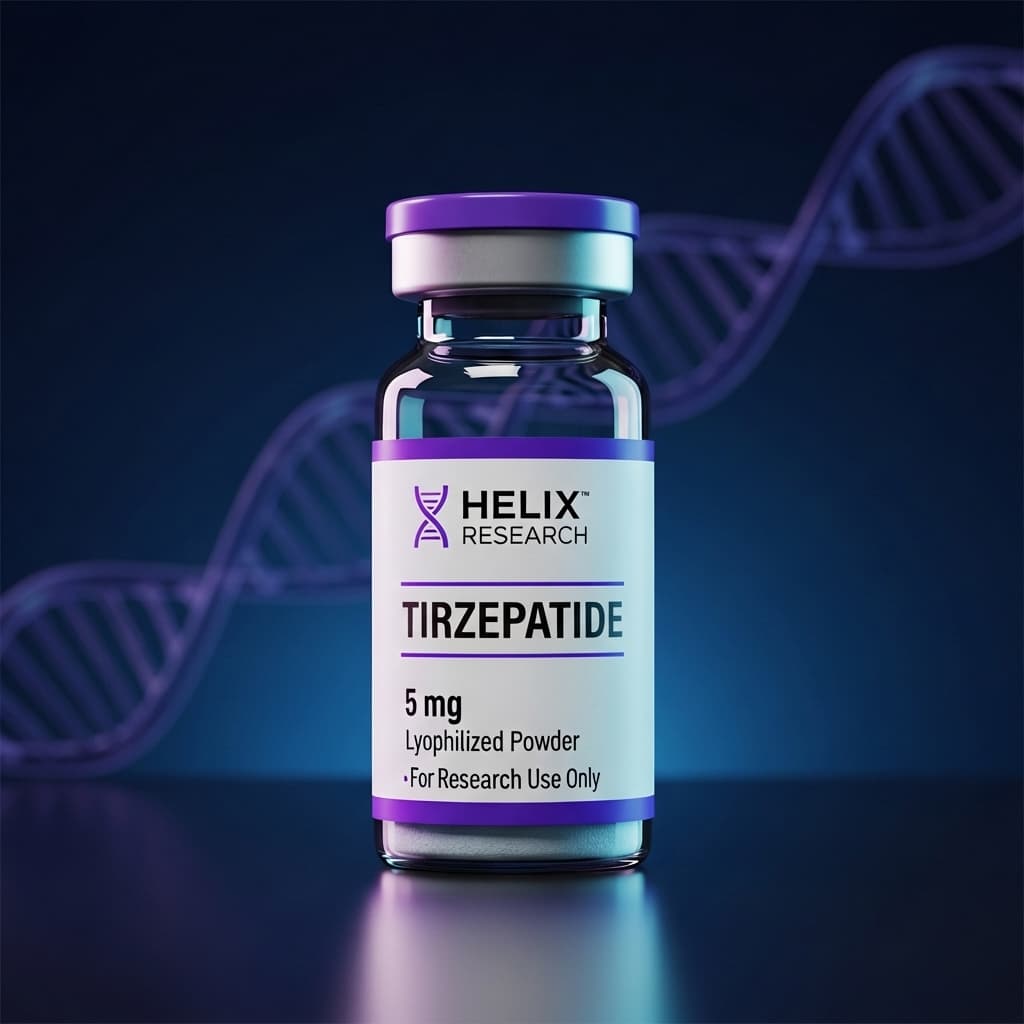 Up to 60% Off
Tirzepatide
The most studied dual-agonist for weight reduction
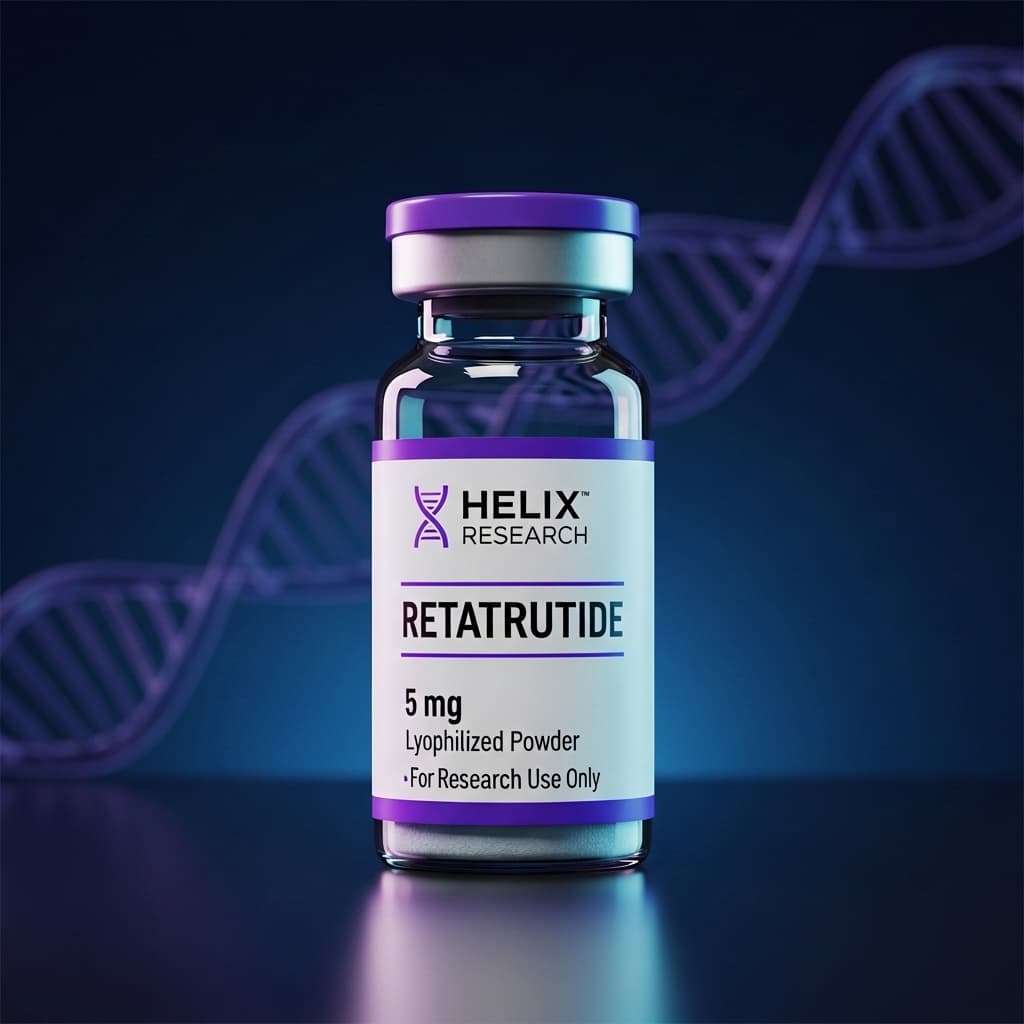 Up to 78% Off
Retatrutide
Triple-receptor agonist studied for enhanced metabolic activity
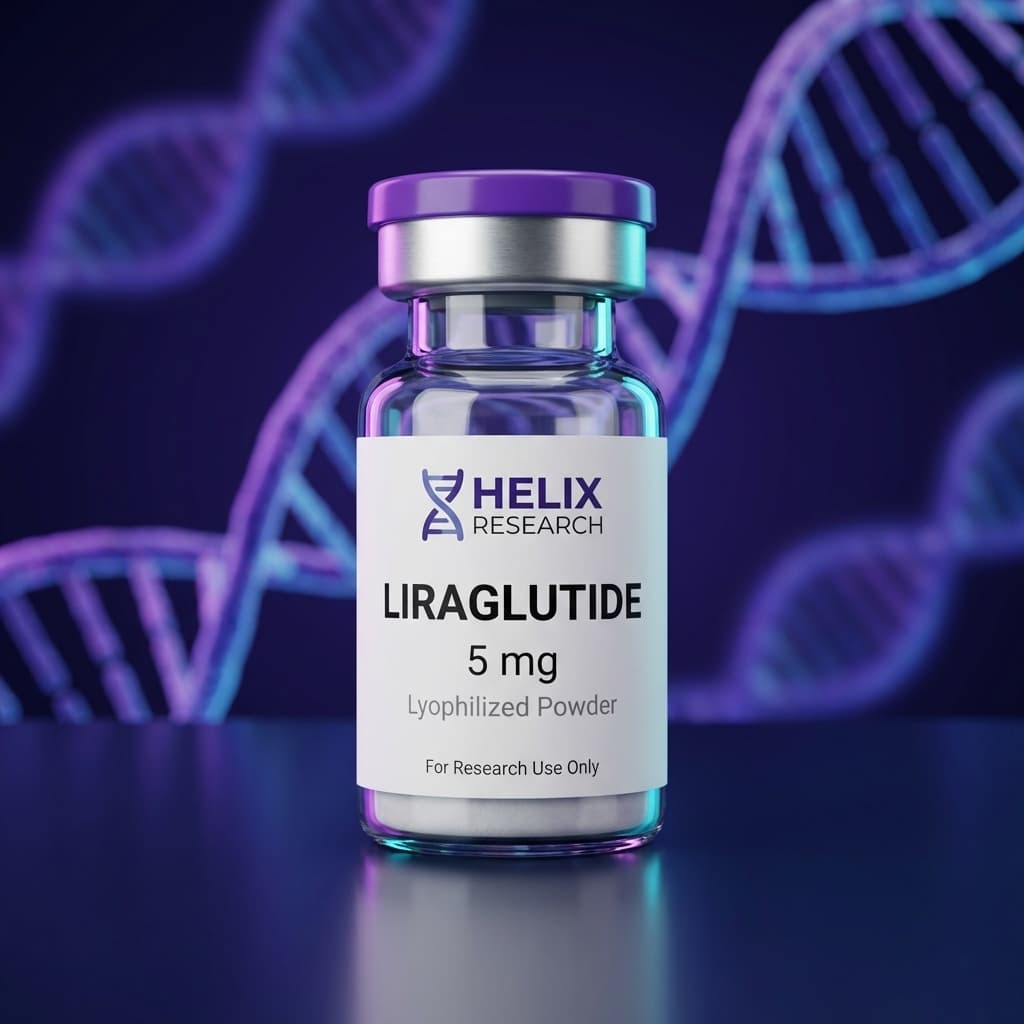 Up to 38% Off
Liraglutide
Daily GLP-1 studied for steady appetite regulation