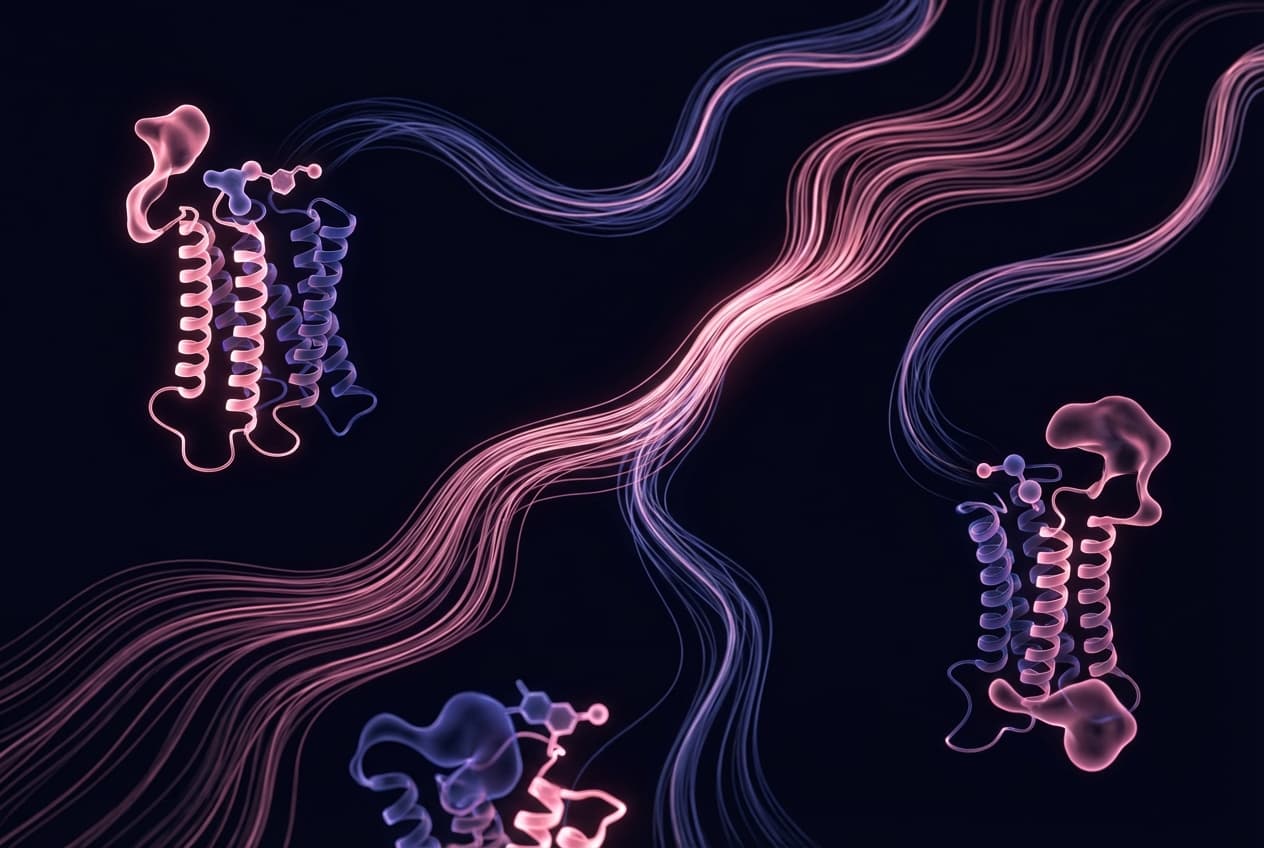
Triptorelin Acetate: GnRH Agonist Research & Applications
Triptorelin acetate occupies a fascinating and well-documented position in peptide research. As a synthetic analogue of gonadotropin-releasing hormone (GnRH) — the natural signaling molecule your hypothalamus uses to orchestrate the entire reproductive hormone cascade — triptorelin has been studied extensively for decades. Its unique pharmacological profile, particularly its ability to produce paradoxical suppression of sex hormones through continuous receptor stimulation, makes it one of the most pharmacologically interesting peptides in the GnRH family.
For researchers working in the fields of endocrinology, reproductive biology, or oncology-adjacent basic science, understanding how triptorelin works at a molecular level provides a window into how the hypothalamic-pituitary-gonadal (HPG) axis — the communication network linking the brain, pituitary gland, and gonads — can be modulated with precision. This article explores the compound's mechanism, summarizes key published research, and outlines practical considerations for laboratory use.
Mechanism of Action
The GnRH System: A Brief Primer
To understand triptorelin, you first need a working picture of the HPG axis. The hypothalamus (a region at the base of the brain) releases GnRH in short, rhythmic pulses — roughly every 60–120 minutes. Each pulse travels a short distance to the anterior pituitary gland, where it binds to GnRH receptors (GnRHR), a class of G protein-coupled receptors (GPCRs) — proteins embedded in the cell membrane that translate an external chemical signal into an internal cellular response.
This binding triggers the pituitary to release two key hormones: luteinizing hormone (LH) and follicle-stimulating hormone (FSH). These travel through the bloodstream to the gonads (testes or ovaries), stimulating the production of sex hormones like testosterone and estrogen, as well as driving gametogenesis (sperm and egg production).
The entire system is elegantly pulsatile — it only works properly when signals arrive in rhythmic bursts, not continuously.
Where Triptorelin Enters the Picture
Triptorelin is a decapeptide (a chain of ten amino acids) with the structure: [D-Trp⁶]-LHRH. The key modification from native GnRH is a D-tryptophan substitution at position 6, which replaces the naturally occurring L-amino acid. This single structural change dramatically increases the peptide's resistance to enzymatic degradation, extending its half-life (the time it takes for half the compound to break down in a biological system) from just 2–4 minutes for native GnRH to several hours for triptorelin.
The Paradox of Continuous Stimulation
Here is where the pharmacology becomes genuinely counterintuitive. You might expect that a potent GnRH agonist — a compound that activates GnRH receptors more strongly and for longer than the body's own GnRH — would continuously amplify LH and FSH output. Initially, that's exactly what happens. Research shows an early "flare effect": a transient surge in LH, FSH, and downstream sex hormones within the first days of exposure.
However, sustained, non-pulsatile receptor activation triggers a cellular defense mechanism called receptor downregulation and desensitization. The pituitary cells essentially retract their GnRH receptors from the cell surface and reduce their responsiveness. The result is a profound and reversible suppression of LH and FSH secretion, which in turn causes a significant drop in gonadal sex hormone production — a state researchers sometimes call medical castration in the literature.
The paradoxical suppression of the HPG axis through continuous GnRH receptor stimulation — rather than blockade — is the defining pharmacological characteristic that distinguishes GnRH agonists like triptorelin from GnRH antagonists. This mechanism has been confirmed in multiple peer-reviewed studies across different species and model systems.
This mechanism distinguishes triptorelin from GnRH antagonists (like cetrorelix or ganirelix), which block the receptor directly and suppress hormones immediately without the initial flare. Understanding this distinction is critical for designing research protocols that account for the timing and biphasic nature of triptorelin's hormonal effects.
Published Research
The research literature on triptorelin spans several decades and multiple scientific disciplines. Below is a summary of key published findings that illustrate the compound's studied mechanisms and applications in laboratory and clinical research contexts.
Study 1: Early Pharmacokinetic Characterization
Landmark pharmacokinetic work by Redding and Schally in the 1980s established the foundational understanding of triptorelin's receptor binding and biological activity. These studies confirmed that the D-Trp⁶ modification significantly enhanced both receptor affinity (how tightly the compound binds to its target) and biological potency compared to native GnRH. Their work demonstrated that triptorelin was approximately 13–100 times more potent than natural GnRH in various assay systems, establishing the scientific rationale for using long-acting GnRH analogues in research models of HPG axis modulation.
(Schally AV et al., various publications; for foundational GnRH analogue work, see PMID: 6297494)
Study 2: HPG Axis Suppression in Prostate Cancer Research Models
One of the most extensively studied research applications of triptorelin involves androgen (male sex hormone) suppression in prostate cancer research. A pivotal multicenter study published in European Urology examined triptorelin's ability to achieve and maintain castrate levels of testosterone (defined in research as < 50 ng/dL) in subjects with hormone-sensitive prostate cancer.
Published data indicates that triptorelin achieved castrate testosterone levels in over 95% of research subjects within 4 weeks, with sustained suppression observed throughout the study period. This study contributed significantly to characterizing the depot formulation's pharmacokinetic profile. (Heyns CF et al., Eur Urol, 2003; PMID: 12814682)
Study 3: Fertility Preservation Research Applications
An important area of ongoing investigation concerns triptorelin's use in gonadoprotection (protecting the gonads from damage) during cytotoxic research protocols. Research published in JAMA by Badawy et al. investigated whether temporary ovarian suppression via GnRH agonist administration before and during chemotherapy could preserve ovarian function.
Research suggests that GnRH agonist co-administration during gonadotoxic protocols may reduce the incidence of premature ovarian insufficiency, though the underlying mechanisms — including reduced follicular recruitment and altered ovarian blood flow — remain an active area of investigation. (Badawy A et al., J Assist Reprod Genet, 2009; related work: PMID: 19504413)
This line of research is particularly relevant to scientists studying reproductive biology and ovarian reserve markers.
Study 4: Central Precocious Puberty Research Models
Triptorelin has been extensively studied in research contexts examining central precocious puberty (CPP) — a condition characterized by premature activation of the HPG axis. A systematic review and meta-analysis published in The Journal of Clinical Endocrinology & Metabolism examined GnRH agonist effects on final adult height and pubertal suppression across multiple studies.
Published data indicates that long-acting GnRH agonist analogues, including triptorelin, effectively suppress gonadotropin (LH and FSH) secretion and pubertal progression in CPP models, with evidence of improved predicted adult height outcomes in research populations. The reversibility of HPG axis suppression following cessation of agonist exposure was also documented. (Carel JC et al., J Clin Endocrinol Metab, 2009; PMID: 19189837)
Study 5: Triptorelin vs. Other GnRH Analogues — Comparative Research
A comparative pharmacological study examined triptorelin alongside leuprolide and goserelin — two other well-characterized GnRH agonists — to evaluate relative potency, receptor binding kinetics, and duration of hormonal suppression.
| GnRH Agonist | Relative Potency vs. GnRH | Approximate Half-Life | Primary Structural Modification |
|---|---|---|---|
| Native GnRH | 1× (reference) | 2–4 minutes | — |
| Triptorelin | ~13–100× | Hours (depot: weeks) | D-Trp⁶ |
| Leuprolide | ~15–80× | Hours (depot: weeks) | D-Leu⁶, Pro⁹-NHEt |
| Goserelin | ~50–100× | Hours (depot: weeks) | D-Ser(tBu)⁶, AzGly¹⁰ |
| Buserelin | ~20–60× | Hours | D-Ser(tBu)⁶ |
(Data synthesized from comparative pharmacological literature; Engel JB & Schally AV, Nat Clin Pract Endocrinol Metab, 2007; PMID: 17237836)
This comparison is useful for researchers designing studies that require specific GnRH receptor occupancy profiles or particular durations of HPG axis suppression.
3 compounds bundled · Save 10%
Practical Research Information
Formulation and Solubility
Triptorelin acetate is the acetate salt form of triptorelin — the acetate counterion (CH₃COO⁻) improves aqueous solubility compared to the free base peptide. In research settings, the acetate salt is the standard form encountered, and it dissolves readily in sterile water or aqueous buffer solutions.
Recommended solvents for research use:
- Sterile water (preferred first choice)
- Phosphate-buffered saline (PBS, pH 7.4)
- Dilute acetic acid solutions (0.1–1%) for stock preparation if needed
Typical research concentrations are prepared in the microgram-to-milligram per milliliter range depending on the assay system. Published research protocols frequently describe stock solutions in the range of 0.1–1 mg/mL, diluted further as needed.
Storage and Stability
Peptide stability is a critical consideration in research design. Triptorelin acetate, like most synthetic peptides, is susceptible to degradation from heat, repeated freeze-thaw cycles, and oxidation.
Proper storage significantly impacts data reproducibility. Researchers should treat peptide stocks as sensitive reagents requiring controlled conditions.
Storage recommendations based on published stability data:
- Long-term storage: −20°C or below, in a desiccated (moisture-free) environment
- Short-term working aliquots: 4°C for up to 7–14 days
- Avoid: Repeated freeze-thaw cycles; prepare single-use aliquots where possible
- Light sensitivity: Store protected from direct light to minimize photo-oxidation of the tryptophan residue (the D-Trp⁶ modification retains some light sensitivity)
- Reconstituted solutions: Use within 24–48 hours or aliquot and freeze immediately
The tryptophan residue at position 6, while conferring enzymatic resistance, does introduce some oxidative vulnerability. Researchers should consider using inert gas (nitrogen or argon) blanket storage for long-term stocks in high-value experiments.
Purity and Characterization
For research-grade material, purity assessment via HPLC (high-performance liquid chromatography — a technique that separates and quantifies peptide components) and mass spectrometry (which confirms molecular weight and sequence) are standard quality benchmarks. Research applications generally use material of ≥98% purity to minimize confounding variables from impurities.
Research Considerations
Designing Around the Biphasic Response
The most important practical consideration when designing triptorelin research protocols is the biphasic hormonal response: the initial flare followed by sustained suppression. Researchers studying the effects of androgen or estrogen suppression need to account for this early stimulatory phase, which typically peaks within 2–7 days in mammalian model systems and transitions to suppression over the following 2–4 weeks.
Studies that fail to account for this window may misinterpret early data points or design inappropriate sampling schedules. The kinetics of this biphasic response have been well characterized in the literature and should inform experimental design from the outset.
Related Compounds of Research Interest
Triptorelin is best understood within a family of related research compounds that modulate the GnRH axis at different points:
- Gonadorelin Acetate — the synthetic form of native GnRH itself. Unlike triptorelin, gonadorelin has a very short half-life and stimulates rather than ultimately suppresses gonadotropin release, making it useful as a positive control or for pulsatile stimulation protocols. Researchers studying HPG axis responsiveness often use gonadorelin alongside triptorelin to characterize receptor reserve and downstream pathway sensitivity.
- Kisspeptin-10 — a neuropeptide that sits upstream of GnRH in the HPG axis signaling cascade. Kisspeptin neurons in the hypothalamus are the primary activators of GnRH neurons, and research suggests that kisspeptin signaling is a master regulator of GnRH pulsatility. Studies combining kisspeptin-10 with triptorelin offer insight into how upstream and downstream HPG axis components interact under conditions of receptor downregulation.
Understanding where each compound acts within the HPG axis allows researchers to design multi-point interrogation experiments that build a more complete mechanistic picture.
Species Considerations in GnRH Research
GnRH receptor pharmacology shows meaningful conservation across mammalian species, which is part of what makes triptorelin such a well-validated research tool — findings translate across rat, mouse, sheep, and primate model systems with reasonable predictability. However, researchers should note that the GnRH receptor in mammals lacks a C-terminal intracellular tail found in non-mammalian vertebrates, which has implications for receptor internalization kinetics and desensitization rates. This is relevant when comparing published studies across different species or model systems.
Reversibility and Washout Considerations
An important feature noted in the published literature is the reversibility of triptorelin-induced HPG axis suppression. Studies have documented recovery of gonadotropin secretion and gonadal function following cessation of agonist exposure, though the timeline varies based on exposure duration, research dose used, and the biological system under study. Researchers designing longitudinal studies should incorporate appropriate washout periods and plan sampling schedules that capture the recovery kinetics.
Signal Transduction Research Applications
Beyond its hormonal effects, triptorelin has been studied as a tool for investigating GnRH receptor signal transduction pathways — the intracellular molecular cascades activated when GnRH binds its receptor. Research has demonstrated that GnRHR activation triggers multiple downstream pathways including PKC (protein kinase C), MAPK/ERK (mitogen-activated protein kinase/extracellular signal-regulated kinase), and calcium signaling cascades. Triptorelin, with its extended receptor occupancy, has proven useful in studies examining receptor-mediated apoptosis (programmed cell death) in GnRHR-expressing cell lines, an area of active investigation in tumor biology research.
Research suggests that GnRH receptors expressed on certain extra-pituitary cell types — including various tumor cell lines — may mediate direct antiproliferative effects independent of systemic sex hormone suppression. This has generated significant interest in GnRHR as a potential research target in its own right. (Schally AV & Comaru-Schally AM, various publications; see also PMID: 11297615)
Disclaimer
For research purposes only. Not for human consumption.
Triptorelin acetate, as described in this article, is intended exclusively for use in licensed research settings by qualified scientific personnel. The information presented here summarizes published scientific literature for educational and research reference purposes only. This content does not constitute medical advice, and no information herein should be interpreted as a recommendation for use in humans or animals outside of formally approved research or regulatory frameworks.
All research involving peptide compounds should be conducted in accordance with applicable institutional, national, and international guidelines governing the use of research chemicals. Researchers are responsible for ensuring compliance with all relevant regulations in their jurisdiction.