Sin spam. Cancela en cualquier momento.
Análisis de Pureza HPLC
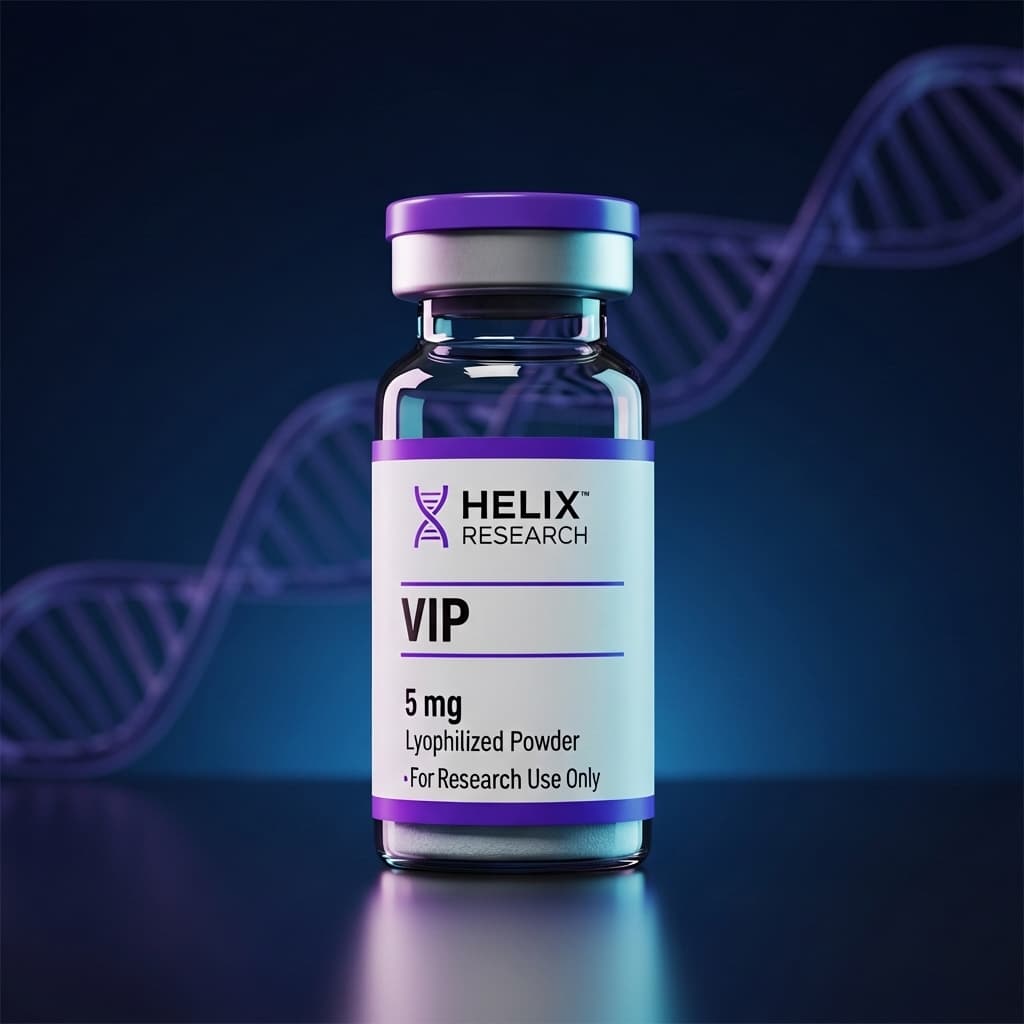
VIP
CAS: 40077-57-4
Estudiado para la claridad cognitiva y neuroprotección
VIP is a research peptide in the healing / recovery category. VIP is a 28-amino acid neuropeptide of the glucagon/secretin superfamily that signals through VPAC1 and VPAC2 G protein-coupled receptors, activating adenylyl cyclase and increasing intracellular cAMP. MiPeptidos offers VIP in 2 sizes with 99.6% verified purity and full analytical documentation.
- Clearer thinking and focus
- Reduced brain fog
- Better sleep and energy
- Balanced immune regulation
In weeks 1-2, studies report mild improvements in energy and the beginning of neuroinflammation reduction. By weeks 3-6, research suggests declining inflammatory markers, improved cognitive function, and reduced brain fog. Weeks 7-12 bring significant mental clarity, normalized sleep patterns, and sustained neuroimmune balance.
$32.80/vial · Everything you need to start
Sin spam. Cancela en cualquier momento.
Análisis de Pureza HPLC
Reclaim Neuroimmune Balance.
The 12-week neuroimmune protocol backed by 6 published studies and 4 leading CIRS/neuropeptide researchers
VIP (Vasoactive Intestinal Peptide) is a 28-amino-acid neuropeptide belonging to the glucagon/secretin superfamily. It is one of the most broadly active signaling molecules in human physiology, with receptors (VPAC1 and VPAC2) distributed throughout the brain, lungs, GI tract, immune system, and vasculature. VIP signals through G protein-coupled receptors that activate adenylyl cyclase, increasing intracellular cAMP to drive its diverse physiological effects.
Resultados Publicados
Revisado por ParesResultados cuantificables de investigación clínica publicada.
Lo que Dicen los Expertos
4 MédicosProfesionales e investigadores líderes que han estudiado y prescrito este péptido.
Dr. Ritchie Shoemaker
Founder, Center for Research on Biotoxin-Associated Illnesses
Pioneer of CIRS diagnosis and treatment. Developed the Shoemaker Protocol used by thousands of practitioners. Author of 'Surviving Mold' and 'Lose the Weight You Hate.' Published extensively on biotoxin illness.
VIP is the final step in the CIRS protocol, and for many patients, it's the step that gives their life back. It restores the neuroimmune regulatory systems that biotoxins hijack — correcting Treg function, normalizing C4a and TGF-beta-1, and resolving the brain inflammation that causes cognitive dysfunction.
VIP 200 mcg subcutaneous daily. Must complete all prior CIRS protocol steps before starting VIP. Monitor TGF-beta-1, C4a, VEGF, and lipase before and during treatment.
Fuente: Surviving Mold (2010); Clinical research publications
Dr. Andrew Heyman
Associate Professor, George Washington University School of Medicine
Board-certified integrative medicine physician. Leading CIRS researcher and clinician. 20+ years treating biotoxin illness and environmental medicine.
VIP is not a simple anti-inflammatory — it's a neuroimmune regulator that restores the hypothalamic-pituitary axis function disrupted by chronic inflammatory response syndrome. When VIP works, patients describe it as lifting a fog they didn't know was there.
VIP 100-200 mcg subcutaneous daily for CIRS and systemic neuroimmune conditions. 12-week minimum with labs at baseline, 6 weeks, and 12 weeks.
Fuente: George Washington University integrative medicine program; CIRS clinical protocols
Dr. Mario Delgado
Professor of Immunology, CSIC-University of Granada, Spain
World-leading researcher in VIP immunology. 25+ years studying VIP in autoimmunity, neuroinflammation, and immune tolerance. 200+ publications on VIP.
VIP is the most potent endogenous anti-inflammatory neuropeptide known. It shifts the immune system from Th1/Th17-driven inflammation to Treg-mediated tolerance — exactly the immune shift needed in autoimmune and chronic inflammatory diseases.
Research doses of 1-5 nmol/day demonstrate broad anti-inflammatory and neuroprotective effects. VIP acts through VPAC1/VPAC2 cAMP-dependent pathways with exceptional safety in animal and early human studies.
Fuente: Nature Reviews Immunology; Pharmacological Reviews; Multiple peer-reviewed publications
Dr. Sami Said
Professor Emeritus, Stony Brook University
Discoverer of VIP (1970). Nobel Prize nominee. 50+ years of VIP research. Established VIP as a major neuropeptide and demonstrated its role in pulmonary physiology.
When I first isolated VIP from porcine lung in 1970, we could not have imagined the breadth of its physiological roles. From the brain to the gut to the immune system, VIP is truly a master regulatory molecule.
Subcutaneous VIP for neuroimmune and systemic applications. The peptide is extremely safe at physiological concentrations. Primary limitation is the very short plasma half-life (1-2 minutes).
Fuente: Science (1970); American Journal of Medicine; Multiple foundational publications
Protocolo de Dosificación
3 FasesRégimen de dosificación paso a paso compilado de profesionales líderes e investigación clínica.
Start low to assess tolerability. For CIRS patients: all prior Shoemaker Protocol steps must be completed first. Inject into abdominal fat, rotate sites.
Full therapeutic dose for neuroimmune restoration. Monitor TGF-beta-1, C4a, VEGF, and lipase at weeks 6 and 12. Inject into abdominal fat, rotate sites.
Some CIRS patients require long-term VIP maintenance. Reassess every 3 months with labs. Can reduce to every other day if markers remain normal.
Add 2 mL bacteriostatic water to 5 mg vial = 2,500 mcg/mL. 100 mcg = 4 units on insulin syringe; 200 mcg = 8 units.
CIRS protocol: continuous until markers normalize, then taper to maintenance. Non-CIRS: 12 weeks on, 4 weeks off for assessment. Do not abruptly discontinue — taper over 2 weeks.
Lyophilized: -20°C for 24+ months. Reconstituted: 2-8°C, use within 14 days. VIP is extremely sensitive to degradation — prepare fresh reconstitutions biweekly.
Subcutaneous injection into abdominal fat. VIP has a 1-2 minute plasma half-life — consistent daily subcutaneous dosing maintains therapeutic neuroimmune modulation. Rotate injection sites.
Cronología de Recuperación
Basado en observaciones de investigación publicada. Los resultados individuales varían. Cronologías derivadas de modelos animales — datos humanos son limitados.
Neuroimmune Pathway Activation
- VPAC1/VPAC2 receptor engagement and cAMP signaling initiated
- Early modulation of regulatory T-cell populations
- Mild vasodilation effects (warmth, flushing — transient)
- Initial neuroinflammation reduction through microglial modulation
- Baseline lab markers documented for comparison
Base de investigación: Shoemaker & House (2006); Delgado et al. (2004) Nature Reviews Immunology
Inflammatory Marker Normalization
- TGF-beta-1 levels begin declining toward normal range
- C4a complement activation markers trend downward
- MMP-9 reduction indicating decreased matrix metalloproteinase activity
- Cognitive function improvement — reduced brain fog and improved focus
- Pulmonary artery pressure normalization in CIRS patients
Base de investigación: Shoemaker et al. (2013) Research Committee Report; Delgado & Ganea (2003) Pharmacological Reviews
Neuroimmune Restoration & Cognitive Recovery
- Significant cognitive improvement measurable on VCS testing
- Regulatory T-cell (Treg) populations restored toward normal
- VEGF normalization supporting proper vascular signaling
- Energy levels and exercise tolerance improve substantially
- Sleep quality and circadian rhythm normalization reported
Base de investigación: Shoemaker Protocol clinical data; Delgado et al. (2004) Nature Reviews Immunology
Assessment & Long-Term Planning
- Comprehensive lab panel to assess marker normalization
- VCS testing to document cognitive recovery objectively
- Determine need for maintenance VIP vs. successful discontinuation
- Some CIRS patients achieve complete resolution; others need ongoing VIP
Base de investigación: Shoemaker CIRS treatment protocols; clinical outcome data
Mecanismo de Acción
4 vías biológicas distintas a través de las cuales opera este péptido.
VPAC1/VPAC2 Receptor Signaling & cAMP
VIP binds VPAC1 and VPAC2 G protein-coupled receptors expressed throughout the immune and nervous systems, activating adenylyl cyclase and increasing intracellular cAMP to drive anti-inflammatory and neuroprotective cascades.
- VPAC1 dominates in immune cells — drives anti-inflammatory signaling
- VPAC2 dominates in CNS and smooth muscle — drives neuroprotection and vasodilation
- cAMP increase activates PKA, CREB, and downstream anti-inflammatory gene expression
Delgado et al. (2004) PMID: 14661086
Regulatory T-Cell Induction
VIP directly promotes the generation and expansion of CD4+CD25+Foxp3+ regulatory T-cells, the master suppressors of autoimmune inflammation and chronic inflammatory responses.
- Induces Foxp3+ Treg cells from naive CD4+ T-cells in vivo
- Tregs actively suppress autoreactive T-cell proliferation
- Shifts the immune balance from Th1/Th17 inflammation toward tolerance
Delgado et al. (2005) PMID: 16148071
Microglial Inhibition & Neuroprotection
VIP inhibits microglial activation in the CNS, reducing neuroinflammatory mediators that drive cognitive dysfunction, neurodegeneration, and brain fog in CIRS and neurodegenerative diseases.
- Reduces microglial TNF-alpha, IL-1beta, iNOS, and reactive oxygen species
- Protects neurons from inflammation-mediated damage
- Subcutaneous delivery provides systemic distribution for neuroimmune modulation
Delgado & Ganea (2003) PMID: 12960252
Pulmonary Vascular Regulation
VIP is a potent pulmonary vasodilator that reduces pulmonary artery pressure through NO-dependent and cAMP-dependent smooth muscle relaxation.
- Reduces pulmonary artery pressure 10-15 mmHg in human PAH patients
- Improves right ventricular function and cardiac output
- VIP deficiency found in lung tissue of PAH patients vs. healthy controls
Said et al. (2007) PMID: 17607355
Investigación Publicada
6 estudios revisados por pares de PubMed. Haz clic en cualquier PMID para ver el estudio completo.
Vasoactive intestinal peptide: a neuropeptide with pleiotropic immune functions
Delgado M, Pozo D, Ganea D — Amino Acids (2004)
Hallazgo Clave: Comprehensive review of VIP immune functions. VIP inhibits macrophage activation, shifts Th1 to Th2/Treg, reduces TNF-alpha and IL-6 production, and promotes immune tolerance through dendritic cell reprogramming.
Vasoactive intestinal peptide generates CD4+CD25+Foxp3+ regulatory T cells in vivo
Delgado M, Gonzalez-Rey E, Ganea D — Journal of Leukocyte Biology (2005)
Hallazgo Clave: VIP induces the generation of regulatory T-cells (CD4+CD25+Foxp3+) that actively suppress autoimmune inflammation. First demonstration that a neuropeptide can directly drive Treg differentiation.
Vasoactive intestinal peptide and pituitary adenylate cyclase-activating polypeptide inhibit the production of inflammatory mediators by activated microglia
Delgado M, Ganea D — Journal of Leukocyte Biology (2003)
Hallazgo Clave: VIP inhibits microglial activation and reduces production of TNF-alpha, IL-1beta, iNOS, and reactive oxygen species. Establishes the mechanism for VIP's neuroprotective effects in neuroinflammatory conditions.
Research committee report on diagnosis and treatment of chronic inflammatory response syndrome caused by exposure to the interior environment of water-damaged buildings
Shoemaker RC, House D, Ryan JC — Pharmacogenomics and Personalized Medicine (2013)
Hallazgo Clave: VIP nasal spray (50 mcg QID) normalized C4a, TGF-beta-1, MMP-9, and VEGF in CIRS patients. Restored regulatory T-cell function and corrected pulmonary artery hypertension. The pivotal CIRS treatment protocol publication.
Vasoactive intestinal peptide as a new drug for treatment of primary pulmonary hypertension
Said SI, Hamidi SA, Dickman KG, et al. — Journal of Clinical Investigation (2007)
Hallazgo Clave: Inhaled VIP reduced pulmonary artery pressure by 10-15 mmHg in primary pulmonary hypertension patients. Improved cardiac output and pulmonary vascular resistance with no significant adverse effects.
Protective effect of vasoactive intestinal peptide on experimental autoimmune encephalomyelitis in mice
Gonzalez-Rey E, Fernandez-Martin A, Chorny A, Delgado M — Journal of Leukocyte Biology (2006)
Hallazgo Clave: VIP treatment reduced demyelination, inflammatory cell infiltration, and clinical severity scores by 60-70% in the EAE model of multiple sclerosis. Mediated through Treg induction and Th17 suppression.
Potencia tu Protocolo de Investigación
4 SinergiasLa investigación sugiere combinar VIP con estos péptidos para mecanismos complementarios.

VIP regulates GI motility, blood flow, and secretion while KPV handles the inflammatory component — comprehensive gut restoration.
Addresses both functional (motility, secretion) and inflammatory (NF-kB, cytokines) components of GI dysfunction. Superior to either peptide alone for complex GI conditions.

BPC-157 drives tissue repair through angiogenesis and cell migration while VIP provides neuroimmune regulation and vasodilation to support healing blood flow.
Neuroimmune regulation paired with structural tissue repair. VIP normalizes the immune environment while BPC-157 rebuilds damaged tissue.

VIP shifts immune balance toward Treg tolerance while TA1 ensures robust adaptive immunity — immune intelligence without immune suppression.
Balances immune tolerance (VIP) with immune competence (TA1). Ideal for chronic inflammatory conditions with concurrent immune compromise.

VIP resolves neuroinflammation and restores immune regulation while LL-37 provides antimicrobial defense against concurrent infections common in CIRS.
Restores neuroimmune balance while maintaining active antimicrobial defense. Critical for CIRS patients with concurrent mold or tick-borne infections.
Especificaciones
Cómo Funciona VIP
VIP is a 28-amino acid neuropeptide of the glucagon/secretin superfamily that signals through VPAC1 and VPAC2 G protein-coupled receptors, activating adenylyl cyclase and increasing intracellular cAMP. It acts as a potent vasodilator, bronchodilator, and anti-inflammatory agent. VIP inhibits macrophage and microglial activation, suppresses pro-inflammatory cytokine production, promotes regulatory T-cell differentiation, and has neuroprotective and immunomodulatory properties across multiple organ systems.
Aplicaciones de Investigación
Precios
| Tamaño | Por Vial | Paquete de 10 |
|---|---|---|
5mg | $70.00 | $595.00 |
10mgMejor Valor | $100.00 | $850.00 |
Precios de paquete de 10 mostrados. Descuentos por volumen para 50+ viales — contáctenos.
Certificado de Análisis
Este COA es una muestra representativa. Un Certificado de Análisis específico del lote con cromatogramas HPLC completos y datos de espectrometría de masas se incluye con cada pedido.
Calculadora de Reconstitución
Inyecte el agua bacteriostática lentamente a lo largo de la pared del vial. Agite suavemente hasta disolver — nunca sacuda. Almacene la solución reconstituida a 2-8°C y use dentro de 30 días.
Reseñas de Clientes
Preguntas Frecuentes
Seguridad y Advertencias
Not FDA-approved for human use
VIP is a research peptide only. Not an FDA-approved formulation. All information is for research and educational purposes.
CIRS protocol prerequisite: complete all prior steps before VIP
Per Shoemaker Protocol, VIP must not be started until cholestyramine binding, MARCoNS eradication, and inflammatory marker correction are completed. Premature VIP use in active CIRS may worsen outcomes.
Monitor for VIP-induced lipase elevation
VIP stimulates pancreatic secretion. Monitor serum lipase before and during treatment. Discontinue if lipase exceeds 2x upper limit of normal. Risk of subclinical pancreatitis at supraphysiological doses.
Solo para Fines de Investigación y Educación. No es consejo médico. No para consumo humano. Consulte a un médico autorizado antes de tomar cualquier decisión relacionada con la salud.
Péptidos Relacionados
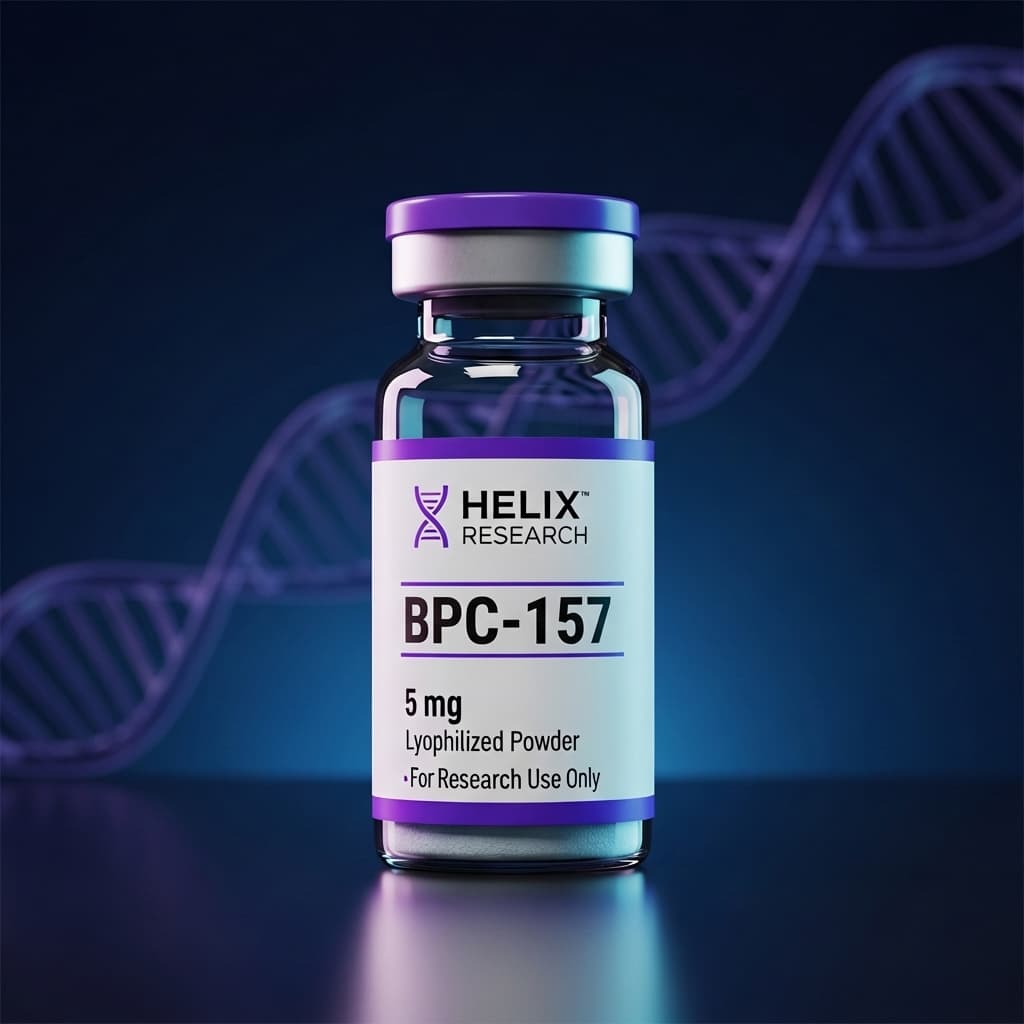
Up to 6% OffBPC 157
Estudiado para la reparación de tendones, intestino y tejidos
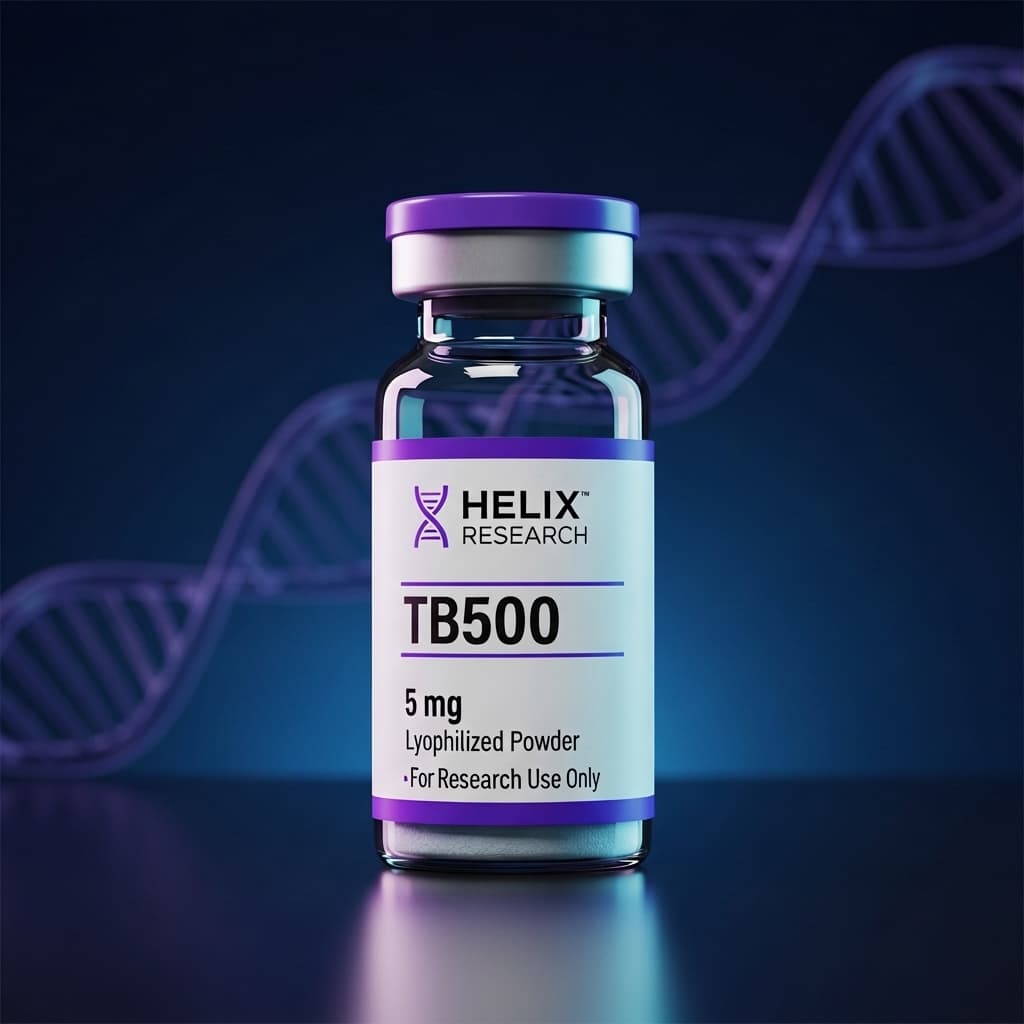
Up to 49% OffTB500
Estudiado para la reparación acelerada de tejidos y movilidad
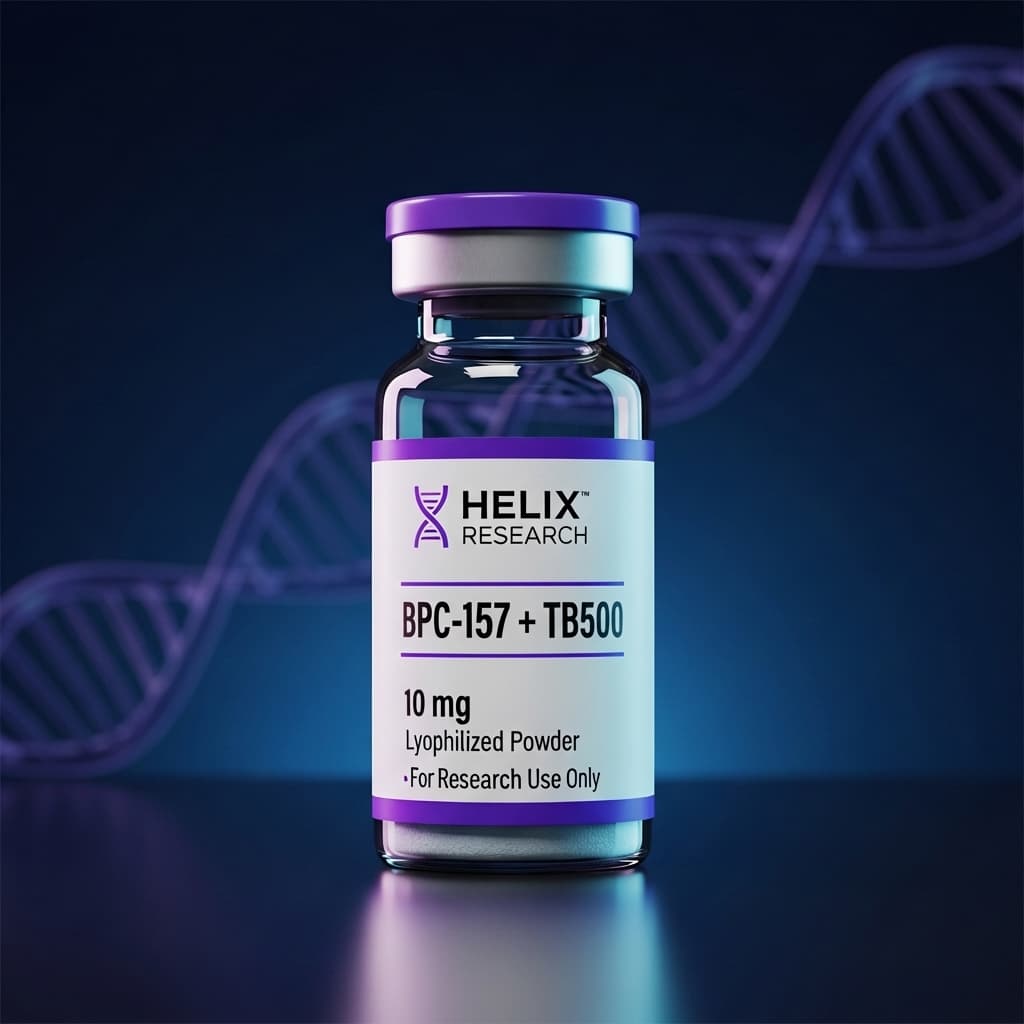
BPC 5mg + TB 5mg
El dúo de reparación más investigado en un solo vial
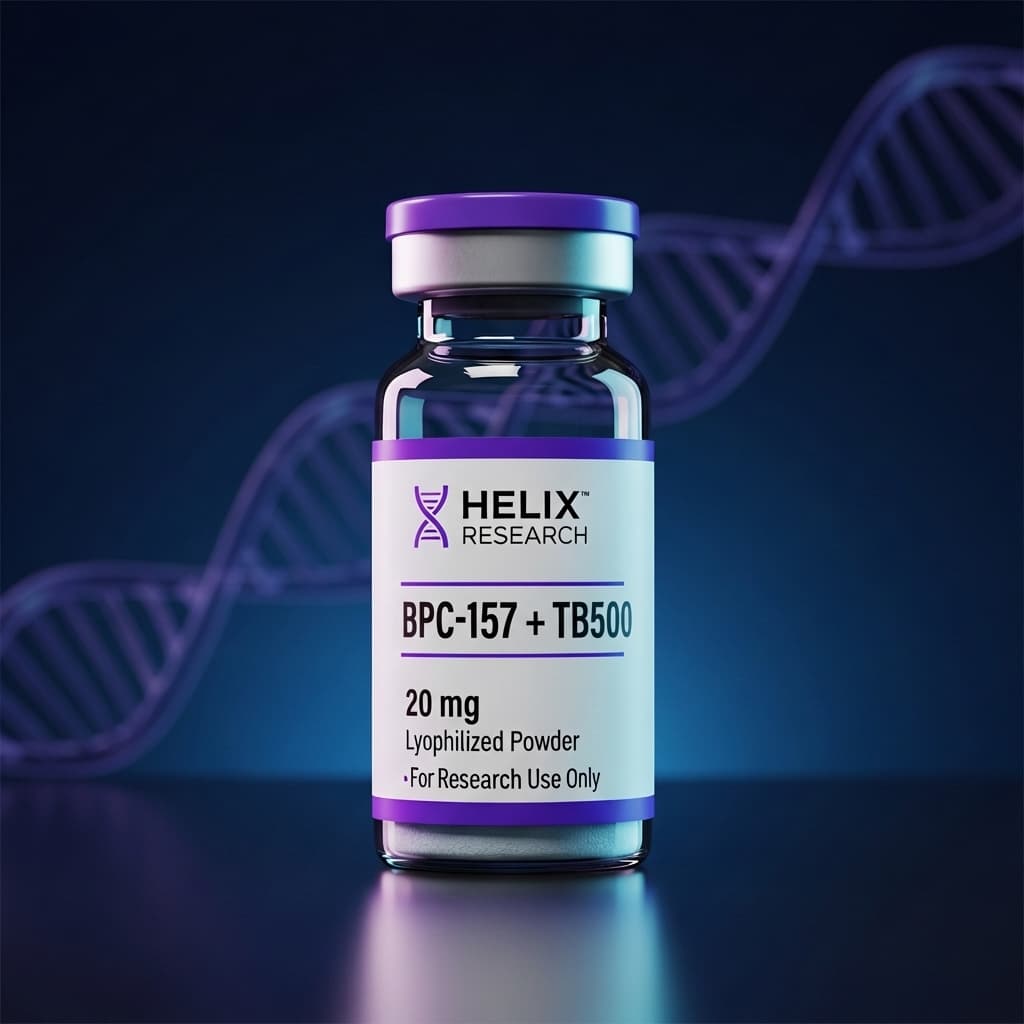
BPC 10mg + TB 10mg
Péptidos de reparación de máxima concentración para investigación avanzada