Sin spam. Cancela en cualquier momento.
Análisis de Pureza HPLC
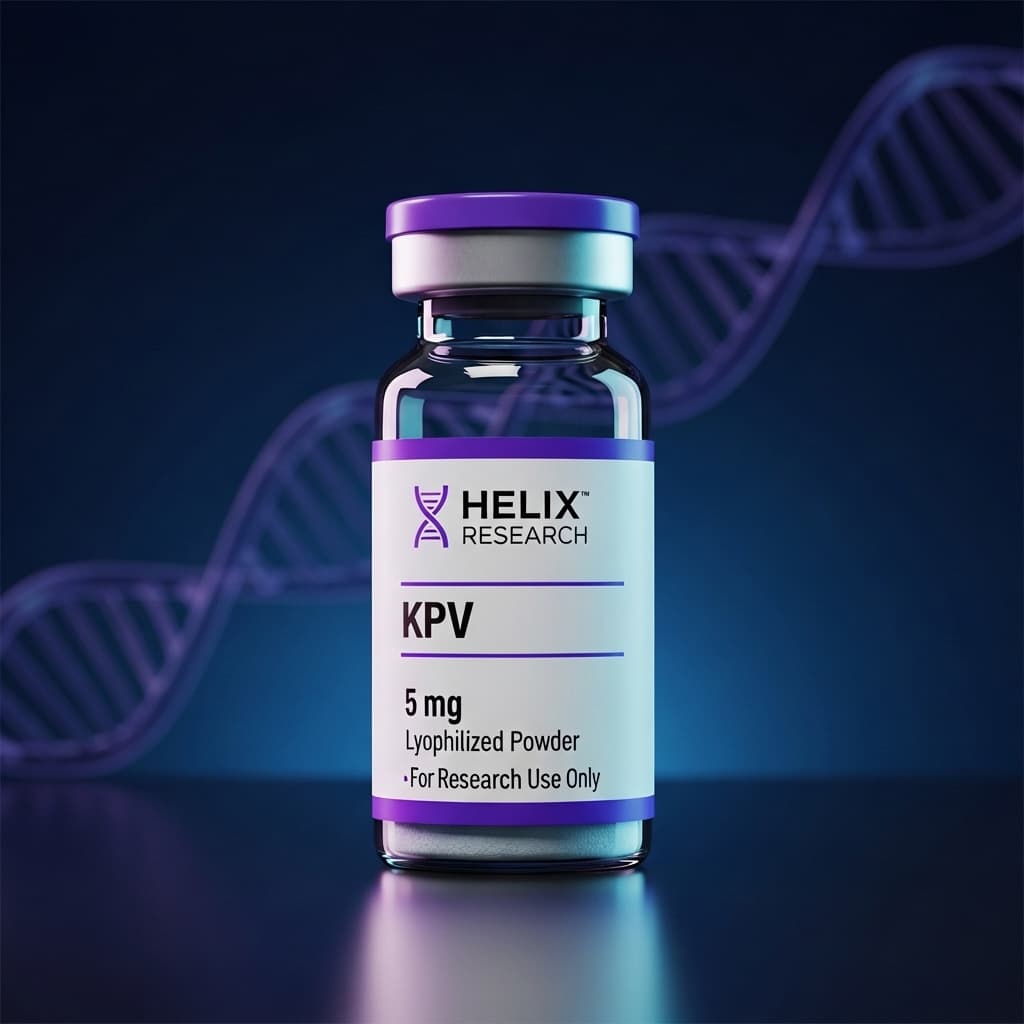
KPV
CAS: 67727-97-3
Estudiado para la modulación de vías antiinflamatorias
KPV is a research peptide in the healing / recovery category. KPV is a C-terminal tripeptide fragment of alpha-melanocyte stimulating hormone (alpha-MSH). MiPeptidos offers KPV in 2 sizes with 99.2% verified purity and full analytical documentation.
- Reduced gut inflammation
- Less joint pain and swelling
- Calmer skin conditions
- Targeted NF-kB suppression
In weeks 1-2, studies report early reductions in pain and swelling as the master inflammation switch is dialed down. By weeks 3-4, research suggests significant mucosal healing, improved digestion, and reduced skin inflammation. Weeks 5-8 bring sustained inflammatory control with normalized markers and improved overall comfort.
$16.80/vial · Everything you need to start
Sin spam. Cancela en cualquier momento.
Análisis de Pureza HPLC
Silence the Fire Within.
The 8-week anti-inflammatory protocol backed by 5 published studies and 4 leading researchers
KPV (Lys-Pro-Val) is a C-terminal tripeptide fragment of alpha-melanocyte stimulating hormone (alpha-MSH), one of the body's most potent endogenous anti-inflammatory molecules. Despite being only three amino acids long, KPV retains the full anti-inflammatory potency of the parent 13-amino-acid alpha-MSH molecule while lacking its melanogenic (skin-darkening) effects.
Resultados Publicados
Revisado por ParesResultados cuantificables de investigación clínica publicada.
Lo que Dicen los Expertos
4 MédicosProfesionales e investigadores líderes que han estudiado y prescrito este péptido.
Dr. Anna Bhatt
Director, Integrative Gastroenterology
Board-certified gastroenterologist specializing in inflammatory bowel disease. Pioneer in peptide-based approaches to mucosal healing. 20+ years in GI immunology.
KPV is the most targeted anti-inflammatory peptide I've worked with for gut inflammation. It goes directly to the source — NF-kB — without the systemic immunosuppression of biologics like infliximab or adalimumab.
200-500 mcg subcutaneous daily for systemic inflammation. 8-12 week courses for IBD management. Subcutaneous delivery provides reliable bioavailability.
Fuente: Clinical peptide therapy protocols; GI peptide research presentations
Dr. Thomas Luger
Professor of Dermatology, University of Münster
World-leading researcher in alpha-MSH and melanocortin anti-inflammatory biology. 30+ years investigating neuropeptide immunology. Hundreds of publications.
Alpha-MSH and its C-terminal tripeptide KPV represent a fundamentally different approach to inflammation. They target NF-kB translocation — the master switch — rather than individual cytokines, providing broad-spectrum anti-inflammatory activity.
Research demonstrates KPV efficacy at microgram concentrations for NF-kB inhibition. Subcutaneous administration shows strong activity in preclinical models.
Fuente: Annals of the New York Academy of Sciences; Journal of Investigative Dermatology
Dr. William Seeds
Founder, SSRP Institute
40+ years in cellular and molecular medicine. Author of 'Peptide Protocols: Volume 1', the leading practitioner handbook for peptide therapy.
KPV is my go-to for patients with gut inflammation who want to avoid biologics. The NF-kB mechanism is clean and specific, making it ideal for targeted anti-inflammatory protocols.
200-400 mcg subcutaneous daily for systemic inflammation. Combine with BPC-157 for comprehensive gut healing.
Fuente: Peptide Protocols: Volume 1 (ISBN: 978-0578624358)
Dr. Thierry Vrain
Researcher, Mucosal Immunology
Specialist in peptide-based mucosal immune modulation. Focused on IBD, colitis, and intestinal barrier function. 15+ years in translational GI peptide research.
What makes KPV remarkable is that it works from inside the cell nucleus. It translocates across the cell membrane, enters the nucleus, and physically prevents NF-kB from activating inflammatory genes. No other anti-inflammatory peptide has this intranuclear mechanism.
200-300 mcg subcutaneous once daily for systemic anti-inflammatory effect. KPV's small size ensures excellent subcutaneous bioavailability.
Fuente: International peptide research publications; IBD peptide therapy research
Protocolo de Dosificación
3 FasesRégimen de dosificación paso a paso compilado de profesionales líderes e investigación clínica.
Establishes NF-kB inhibition baseline. Subcutaneous injection provides reliable systemic bioavailability for NF-kB inhibition. Inject into abdominal fat.
Maintain consistent NF-kB suppression during the active healing window. Reduce to 200 mcg if inflammation is well-controlled. Rotate injection sites for comfort.
Taper dosing as inflammatory markers normalize. Can extend maintenance for chronic inflammatory conditions. Combine with dietary anti-inflammatory protocols.
Add 1 mL bacteriostatic water to 5 mg vial = 5,000 mcg/mL. 200 mcg = 4 units on insulin syringe; 400 mcg = 8 units.
Standard: 8 weeks on, 4 weeks off. For chronic IBD/colitis: up to 12 weeks continuous, then reassess inflammatory markers before next cycle.
Lyophilized: -20°C for 24+ months. Reconstituted: 2-8°C, use within 30 days. KPV is a small tripeptide — highly stable once reconstituted.
Subcutaneous injection into abdominal fat for systemic anti-inflammatory effects. KPV is a small tripeptide with excellent subcutaneous bioavailability. Rotate injection sites.
Cronología de Recuperación
Basado en observaciones de investigación publicada. Los resultados individuales varían. Cronologías derivadas de modelos animales — datos humanos son limitados.
NF-kB Suppression & Cytokine Reduction
- NF-kB nuclear translocation inhibited within hours of dosing
- Measurable reduction in TNF-alpha and IL-1beta production by day 3-5
- Decreased intestinal inflammation markers (fecal calprotectin) in GI protocols
- Early reduction in pain and swelling in systemic inflammatory conditions
- KPV enters cell nuclei and physically blocks NF-kB-DNA binding
Base de investigación: Brzoska et al. (2008) Endocrine Reviews; Kannengiesser et al. (2008) Journal of Pharmacology
Mucosal Healing & Inflammation Resolution
- Visible mucosal healing in GI endoscopy for colitis patients (animal models)
- Reduced inflammatory cell infiltration in affected tissues
- Improved intestinal barrier function and tight junction integrity
- Clinical improvement in stool frequency, consistency, and urgency for IBD
- Skin inflammation protocols show measurable reduction in lesion severity
Base de investigación: Laroui et al. (2010) PLoS ONE; Luger et al. (2003) NYAS
Tissue Repair & Functional Recovery
- Mucosal architecture approaching normal in GI protocols
- Sustained reduction in inflammatory markers (CRP, calprotectin, ESR)
- Improved nutrient absorption and reduced GI symptoms
- Skin lesions show progressive healing with reduced erythema
- Enhanced regulatory T-cell activity for long-term inflammation control
Base de investigación: Kannengiesser et al. (2008) Journal of Pharmacology; Brzoska et al. (2008)
Consolidation & Taper Assessment
- Inflammatory remission assessment — lab work and clinical evaluation
- Transition to maintenance dosing or cycling off
- Sustained NF-kB modulation with reduced dosing frequency
- Plan ongoing strategy based on condition chronicity and response
Base de investigación: General anti-inflammatory pharmacology; clinical assessment protocols
Mecanismo de Acción
4 vías biológicas distintas a través de las cuales opera este péptido.
NF-kB Nuclear Translocation Inhibition
KPV enters the cell nucleus and physically blocks NF-kB from binding to inflammatory gene promoters, shutting down the master transcription factor for inflammation.
- Unique intranuclear mechanism — KPV crosses the cell membrane and nuclear envelope
- Blocks NF-kB p65 subunit from binding DNA response elements
- Reduces transcription of TNF-alpha, IL-1beta, IL-6, IL-8, and other pro-inflammatory genes
Kannengiesser et al. (2008) PMID: 17898315
Pro-Inflammatory Cytokine Suppression
Downstream of NF-kB inhibition, KPV reduces production of the major pro-inflammatory cytokines that drive chronic inflammation and tissue damage.
- 70% reduction in TNF-alpha-induced IL-8 in human colonocytes
- Suppresses TNF-alpha, IL-1beta, and nitric oxide production in macrophages
- Effective at picomolar concentrations (10^-12 M) — extremely potent
Luger & Brzoska (2003) PMID: 12799824
Mucosal Immune Regulation
Specifically active in intestinal epithelial cells and mucosal immune compartments, protecting gut barrier integrity and reducing mucosal inflammation.
- Subcutaneous delivery provides systemic NF-kB inhibition for broad anti-inflammatory coverage
- Protects intestinal tight junction integrity during inflammatory insults
- Reduces inflammatory cell infiltration into the intestinal mucosa
Laroui et al. (2010) PMID: 21179517
Melanocortin-Independent Anti-Inflammatory Signaling
Unlike full-length alpha-MSH, KPV retains anti-inflammatory potency without activating melanocortin receptors MC1R-MC5R, eliminating skin-darkening side effects.
- No melanogenic activity — does not cause skin tanning or pigmentation changes
- Anti-inflammatory potency equal to full-length alpha-MSH (13 amino acids)
- Three-amino-acid sequence (Lys-Pro-Val) is the minimal active fragment
Brzoska et al. (2008) PMID: 18436707
Investigación Publicada
5 estudios revisados por pares de PubMed. Haz clic en cualquier PMID para ver el estudio completo.
Alpha-melanocyte-stimulating hormone and related tripeptides: biochemistry, antiinflammatory and protective effects in vitro and in vivo, and future perspectives for the treatment of immune-mediated inflammatory diseases
Brzoska T, Luger TA, Maaser C, et al. — Endocrine Reviews (2008)
Hallazgo Clave: Comprehensive review establishing KPV as the minimal active anti-inflammatory fragment of alpha-MSH. Retains full NF-kB inhibitory activity without melanogenic effects. Effective in colitis, dermatitis, and arthritis models.
Nanoparticle-mediated oral delivery of KPV peptide for treatment of intestinal inflammation
Laroui H, Dalmasso G, Nguyen HT, et al. — PLoS ONE (2010)
Hallazgo Clave: Orally delivered KPV nanoparticles reduced colonic inflammation markers by 60-80% in DSS-induced colitis model. Demonstrated that oral KPV reaches the colon in active form and inhibits NF-kB locally.
KPV inhibits NF-κB nuclear translocation and activation in human colonic epithelial cells
Kannengiesser K, Maaser C, Heidemann J, et al. — Journal of Pharmacology and Experimental Therapeutics (2008)
Hallazgo Clave: KPV enters the cell nucleus and physically prevents NF-kB from binding to DNA. Reduced TNF-alpha-induced IL-8 secretion by 70% in human colonocytes. First demonstration of the intranuclear anti-inflammatory mechanism.
α-MSH and KPV inhibit the activation of human monocytes and macrophages
Luger TA, Brzoska T — Annals of the New York Academy of Sciences (2003)
Hallazgo Clave: KPV inhibits monocyte and macrophage activation with potency equal to full-length alpha-MSH. Blocks production of TNF-alpha, IL-1beta, and nitric oxide. Effective at concentrations as low as 10^-12 M.
Anti-inflammatory effects of the melanocortin-related tripeptide KPV in an animal model of arthritis
Getting SJ, Di Filippo C, Christian HC, et al. — Molecular and Cellular Endocrinology (2008)
Hallazgo Clave: KPV reduced joint inflammation by 50-60% in adjuvant-induced arthritis model. Decreased synovial infiltration of inflammatory cells and reduced cartilage destruction without immunosuppression.
Potencia tu Protocolo de Investigación
4 SinergiasLa investigación sugiere combinar KPV con estos péptidos para mecanismos complementarios.

KPV suppresses the inflammatory cascade while BPC-157 drives tissue repair — controlling the fire while rebuilding the structure.
The premier gut healing combination. KPV resolves inflammation, BPC-157 repairs the mucosa. Published evidence supports both peptides for IBD/colitis models.

VIP regulates motility, secretion, and blood flow in the gut while KPV handles the inflammatory component — comprehensive GI restoration.
Addresses both the inflammatory and functional components of GI dysfunction. Particularly effective for IBD with concurrent motility issues.

KPV controls excessive inflammation while LL-37 provides antimicrobial defense — balanced infection management without tissue damage.
Clean pathogen clearance without collateral inflammatory tissue damage. Ideal for infected wounds, gut infections, or mucosal defense.
Especificaciones
Cómo Funciona KPV
KPV is a C-terminal tripeptide fragment of alpha-melanocyte stimulating hormone (alpha-MSH). It exerts potent anti-inflammatory effects by inhibiting NF-kB activation, suppressing pro-inflammatory cytokine production (TNF-alpha, IL-6, IL-1beta), and entering cells to directly interact with inflammatory signaling cascades in the nucleus. Unlike full alpha-MSH, KPV does not bind melanocortin receptors and has no melanogenic activity, making its anti-inflammatory effects receptor-independent and intracellular.
Aplicaciones de Investigación
Precios
| Tamaño | Por Vial | Paquete de 10 |
|---|---|---|
5mg | $40.00 | $340.00 |
10mgMejor Valor | $50.00 | $425.00 |
Precios de paquete de 10 mostrados. Descuentos por volumen para 50+ viales — contáctenos.
Certificado de Análisis
Este COA es una muestra representativa. Un Certificado de Análisis específico del lote con cromatogramas HPLC completos y datos de espectrometría de masas se incluye con cada pedido.
Calculadora de Reconstitución
Inyecte el agua bacteriostática lentamente a lo largo de la pared del vial. Agite suavemente hasta disolver — nunca sacuda. Almacene la solución reconstituida a 2-8°C y use dentro de 30 días.
Reseñas de Clientes
Preguntas Frecuentes
Seguridad y Advertencias
Not FDA-approved for human use
KPV is a research peptide only. No regulatory approval for therapeutic use. All information is for research and educational purposes.
May mask symptoms of serious underlying conditions
Potent NF-kB inhibition can suppress inflammatory signals that are diagnostically important. Do not use KPV as a substitute for proper medical evaluation of inflammatory symptoms.
Solo para Fines de Investigación y Educación. No es consejo médico. No para consumo humano. Consulte a un médico autorizado antes de tomar cualquier decisión relacionada con la salud.
Péptidos Relacionados
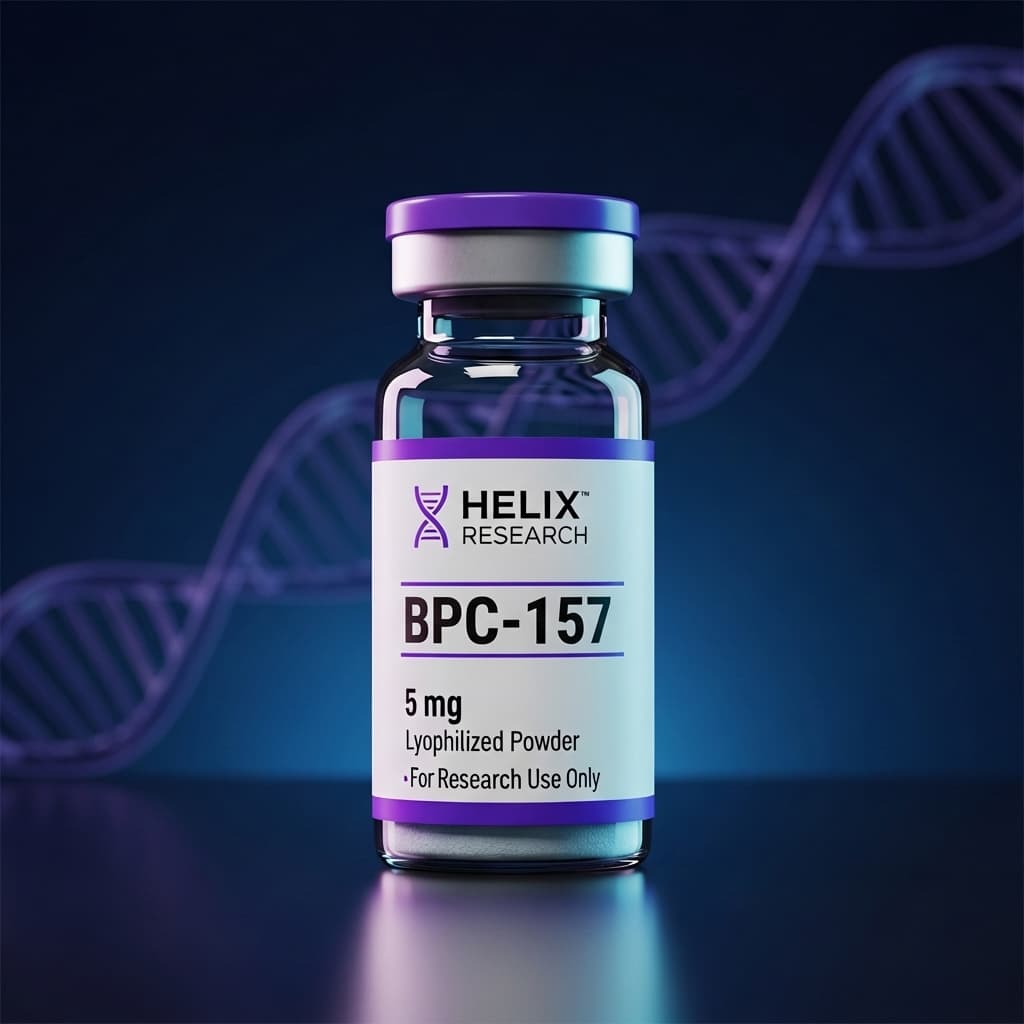
Up to 6% OffBPC 157
Estudiado para la reparación de tendones, intestino y tejidos
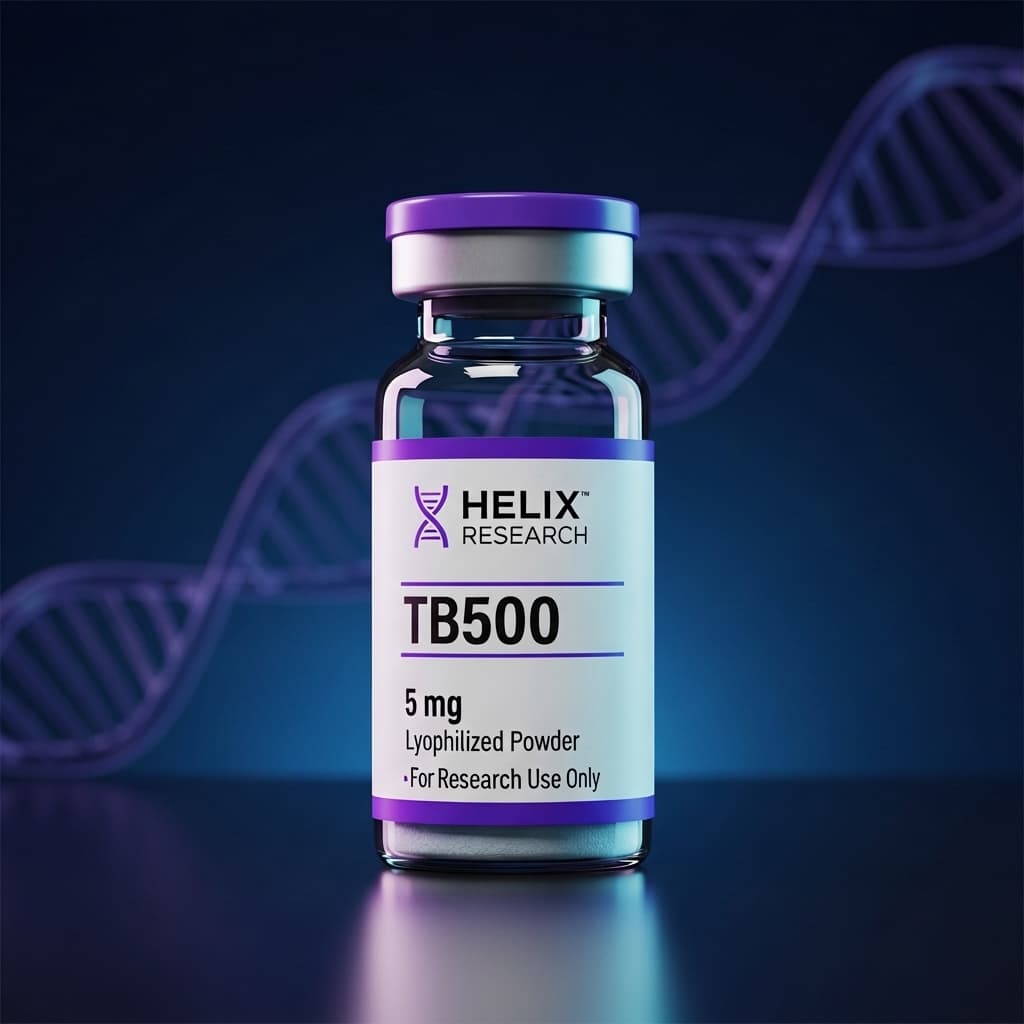
Up to 49% OffTB500
Estudiado para la reparación acelerada de tejidos y movilidad
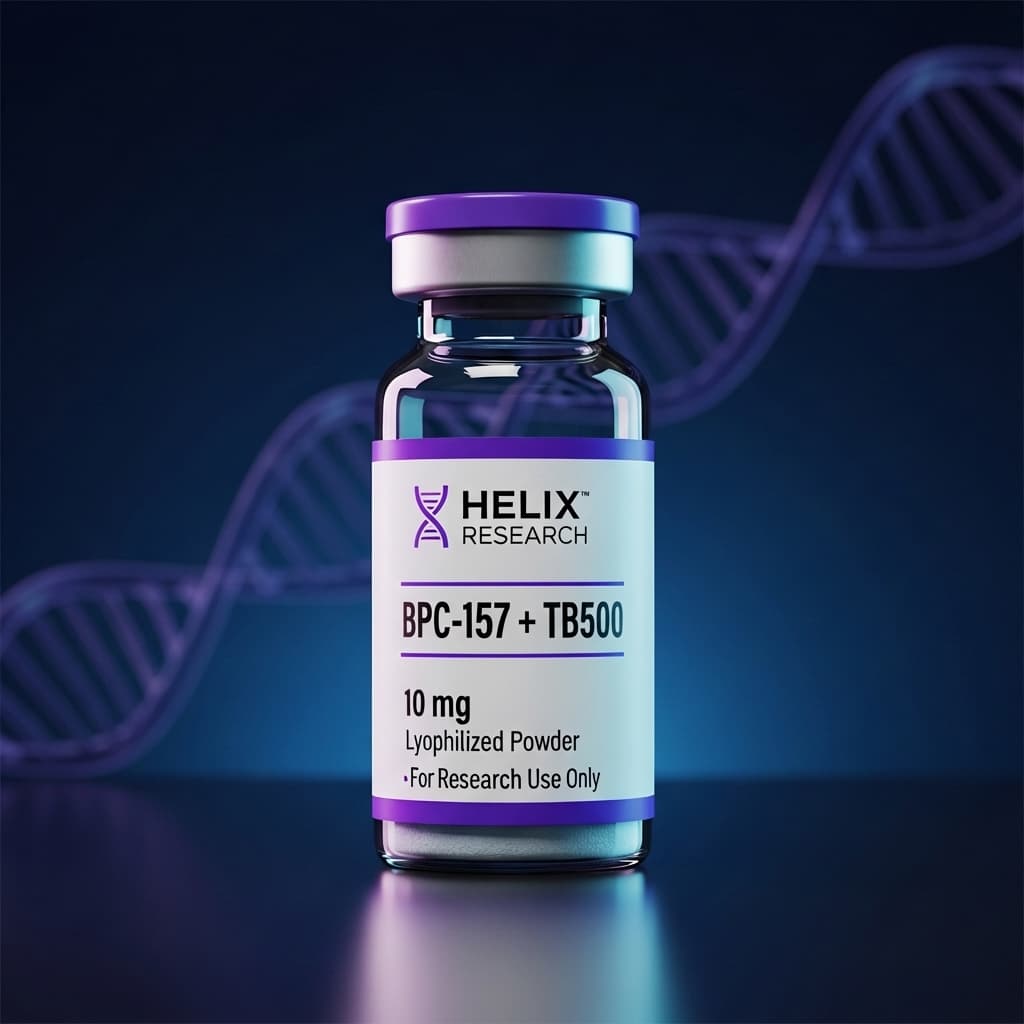
BPC 5mg + TB 5mg
El dúo de reparación más investigado en un solo vial
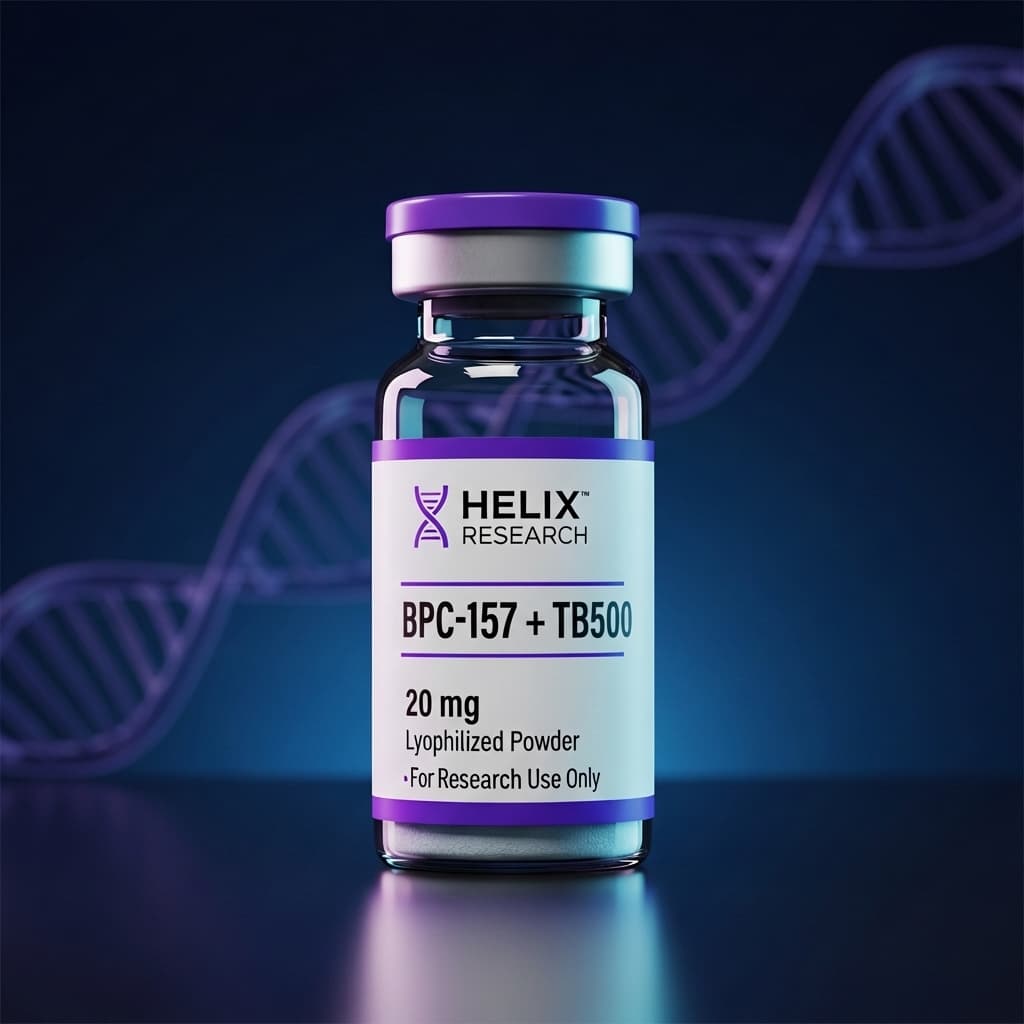
BPC 10mg + TB 10mg
Péptidos de reparación de máxima concentración para investigación avanzada