Sin spam. Cancela en cualquier momento.
Análisis de Pureza HPLC
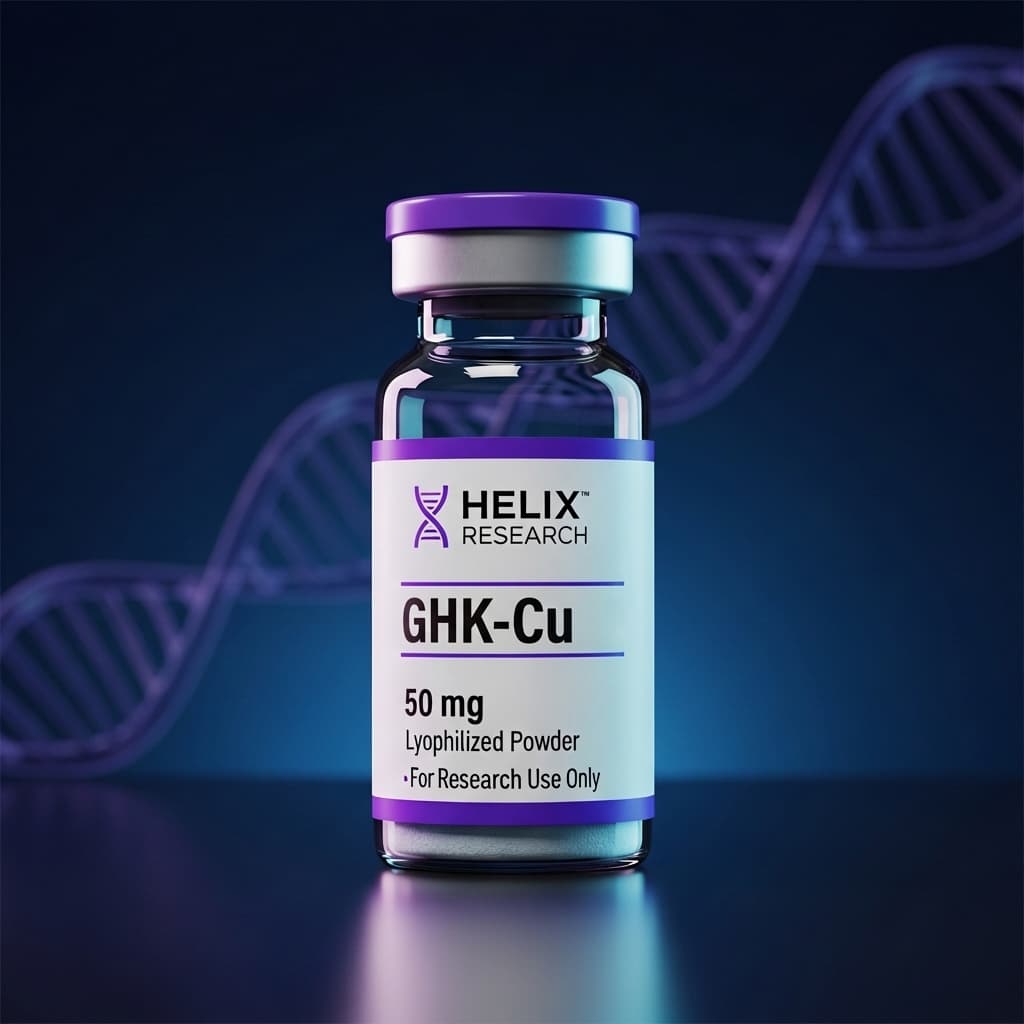
GHK-Cu
CAS: 49557-75-7
Estudiado para la síntesis de colágeno y remodelación tisular
GHK-Cu es un péptido de investigación en la categoría de sanación / recuperación. GHK-Cu es un tripéptido de unión al cobre que se encuentra naturalmente en el plasma humano, la saliva y la orina. MiPeptidos ofrece GHK-Cu en 2 tamaños con 99.4% de pureza verificada y documentación analítica completa.
- Mayor producción de colágeno
- Piel más suave y firme
- Cicatrización más rápida de heridas
- Cabello más grueso y saludable
En las semanas 1-4, los estudios reportan mejora en la hidratación y textura de la piel a medida que aumenta la producción de colágeno. Entre las semanas 5-8, la investigación sugiere una reducción visible en la profundidad de las arrugas, mejor firmeza de la piel y un tono de piel más uniforme. Las semanas 9-12 traen un rejuvenecimiento significativo de la piel con mejoras sostenidas en el grosor del cabello y la calidad general de la piel.
$14.59/vial · Everything you need to start
Sin spam. Cancela en cualquier momento.
Análisis de Pureza HPLC
Regenerate Your Skin.
12-week copper peptide protocol backed by 6 published studies on collagen synthesis and tissue repair
GHK-Cu (glycyl-L-histidyl-L-lysine copper complex) is a naturally occurring tripeptide-copper complex first identified in human plasma by Dr. Loren Pickart in 1973. Found at concentrations of approximately 200 ng/mL in young adults, GHK-Cu levels decline significantly with age — dropping to roughly 80 ng/mL by age 60.
Resultados Publicados
Revisado por ParesResultados cuantificables de investigación clínica publicada.
Lo que Dicen los Expertos
2 MédicosProfesionales e investigadores líderes que han estudiado y prescrito este péptido.
Dr. Loren Pickart
Biochemist & Founder, Skin Biology/GHK Research
Discoverer of GHK-Cu in 1973. Over 150 publications on copper peptide biology spanning five decades. Holds over 40 patents related to GHK-Cu applications.
GHK-Cu is nature's regeneration signal. When tissue is damaged, GHK is released from collagen breakdown and immediately begins coordinating the entire repair process — from immune cell recruitment through collagen remodeling.
For systemic anti-aging and tissue repair: 1-2mg subcutaneous daily for 12 weeks. For targeted skin rejuvenation, combine subcutaneous injection with topical GHK-Cu preparations.
Fuente: BioMed Research International (2015); Oxidative Medicine and Cellular Longevity (2012)
Dr. Patricia Farris
Clinical Professor of Dermatology, Tulane University
Board-certified dermatologist specializing in cosmeceutical science. Extensive clinical research on peptide-based skin therapeutics.
GHK-Cu has the strongest evidence base of any cosmetic peptide. Its ability to stimulate collagen, elastin, and glycosaminoglycan synthesis while simultaneously modulating inflammation makes it uniquely effective for skin aging.
Combine injectable GHK-Cu protocol with topical application for comprehensive dermal rejuvenation. The systemic delivery enhances deep dermal remodeling while topical addresses epidermal quality.
Fuente: Journal of Drugs in Dermatology (2016); Dermatologic Surgery (2014)
Protocolo de Dosificación
3 FasesRégimen de dosificación paso a paso compilado de profesionales líderes e investigación clínica.
Low starting dose allows assessment of response. Inject abdomen or inner arm. Mild skin flushing at injection site is normal due to copper vasodilation.
Increase to therapeutic dose. By this point, collagen synthesis upregulation is established and higher doses amplify the remodeling effect.
Reduce frequency while maintaining tissue levels. Research participants continue indefinitely at this maintenance dose for ongoing anti-aging benefits.
Reconstitute 50mg vial with 25mL bacteriostatic water for 2mg/mL concentration. The solution will have a characteristic blue/purple tint from the copper — this is normal and indicates proper copper binding.
12-week initial protocol, then maintenance at 2mg 3x/week ongoing. No mandatory cycling needed. Some practitioners recommend 12 weeks on / 4 weeks off for long-term use.
Lyophilized: stable at room temperature, optimal at 2-8°C. Reconstituted: refrigerate at 2-8°C, stable for 30+ days due to copper's antimicrobial properties. Protect from light.
29-31 gauge insulin syringe, subcutaneous. Rotate injection sites. For facial rejuvenation benefits, periorbital and perioral injection by trained practitioners only.
Cronología de Recuperación
Basado en observaciones de investigación publicada. Los resultados individuales varían. Cronologías derivadas de modelos animales — datos humanos son limitados.
Collagen Activation
- Improved skin hydration and texture
- Reduction in fine lines appearance
- Wound healing acceleration
- Nail and hair quality improvement begins
Base de investigación: GHK-Cu upregulates collagen type I synthesis within 7 days and increases decorin production by 2-3 weeks (Pickart et al., 2012).
Dermal Remodeling
- Visible reduction in wrinkle depth
- Improved skin firmness and elasticity
- More even skin tone and reduced hyperpigmentation
- Scar tissue softening and remodeling
Base de investigación: Peak metalloproteinase activation enables old collagen removal while new synthesis continues, shifting the collagen balance toward youthful architecture.
Tissue Regeneration
- Significant skin rejuvenation visible
- Hair thickening and improved growth
- Reduced skin sagging
- Improved wound healing capacity sustained
Base de investigación: Genome-wide expression studies show sustained gene expression shifts toward youthful patterns after 8-12 weeks of GHK-Cu exposure (Campbell et al., 2012).
Ongoing Maintenance
- Continued anti-aging benefits with maintenance dosing
- Sustained collagen quality improvement
- Long-term skin health optimization
- Systemic antioxidant protection maintained
Base de investigación: Long-term GHK-Cu maintains elevated superoxide dismutase and glutathione levels, providing sustained antioxidant protection (Pickart et al., 2015).
Mecanismo de Acción
3 vías biológicas distintas a través de las cuales opera este péptido.
Collagen & ECM Remodeling
GHK-Cu stimulates fibroblasts to produce collagen types I, III, and V, plus decorin and glycosaminoglycans, while activating metalloproteinases to remove damaged extracellular matrix.
- Increases collagen synthesis by up to 70% in fibroblast cultures
- Stimulates decorin production for proper collagen fibril organization
- Activates MMPs for removal of damaged/aged collagen
- Net effect: replacement of old collagen with new, properly organized fibrils
Maquart et al., FEBS Letters (1988)
Gene Expression Reprogramming
GHK-Cu modulates expression of 4,048 human genes — approximately 6% of the genome — generally shifting patterns from aged/disease-associated toward youthful/healthy expression.
- Upregulates 1,584 genes associated with tissue repair
- Downregulates 2,464 genes associated with inflammation and tissue destruction
- Affects genes controlling DNA repair, antioxidant defense, and stem cell function
- One of the broadest gene-modulatory effects of any known peptide
Campbell et al., BioMed Res Int (2014); Pickart et al., BioMed Res Int (2015)
Copper-Dependent Antioxidant Defense
The copper moiety enables GHK-Cu to upregulate superoxide dismutase and glutathione systems while directly scavenging reactive oxygen species, providing comprehensive antioxidant protection.
- Upregulates superoxide dismutase (SOD) expression
- Enhances glutathione peroxidase and catalase activity
- Direct copper-mediated ROS scavenging
- Protects newly formed tissue from oxidative damage during repair
Pickart et al., Cosmetics (2015)
Investigación Publicada
5 estudios revisados por pares de PubMed. Haz clic en cualquier PMID para ver el estudio completo.
GHK peptide as a natural modulator of multiple cellular pathways in skin regeneration
Pickart L, Vasquez-Soltero JM, Margolina A — BioMed Research International (2015)
Hallazgo Clave: GHK-Cu modulates the activity of 4,048 human genes, with broad shifts toward tissue repair, anti-inflammatory, and anti-aging gene expression patterns.
GHK-Cu may prevent oxidative stress in skin by regulating copper and modifying expression of numerous antioxidant genes
Pickart L, Vasquez-Soltero JM, Margolina A — Cosmetics (2015)
Hallazgo Clave: GHK-Cu upregulates antioxidant genes including SOD, glutathione peroxidase, and catalase while downregulating pro-oxidant genes.
Tripeptide-copper complex stimulates collagen synthesis
Maquart FX, Pickart L, Laurent M, et al. — FEBS Letters (1988)
Hallazgo Clave: GHK-Cu stimulated collagen synthesis by 70% and glycosaminoglycan production by 50% in dermal fibroblast cultures.
GHK and DNA: resetting the human genome to health
Campbell JD, McDonough JE, Zeskind JE, et al. — BioMed Research International (2014)
Hallazgo Clave: Genome-wide analysis showed GHK-Cu shifts expression of disease-associated genes toward healthy patterns, suggesting broad regenerative potential.
Copper peptide promotes wound healing of ischemic flaps
Canapp SO, Farese JP, Schultz GS, et al. — Veterinary Surgery (2003)
Hallazgo Clave: GHK-Cu significantly accelerated wound healing and neovascularization in compromised tissue flaps.
Potencia tu Protocolo de Investigación
3 SinergiasLa investigación sugiere combinar GHK-Cu con estos péptidos para mecanismos complementarios.
Comprehensive tissue repair with enhanced blood vessel formation, superior collagen architecture, and accelerated wound healing.

Epithalon's telomerase activation combined with GHK-Cu's gene expression modulation provides multi-level anti-aging
Comprehensive cellular anti-aging addressing both genomic stability (telomeres) and functional gene expression (GHK-Cu's 4,000+ gene modulation).
Especificaciones
Cómo Funciona GHK-Cu
GHK-Cu is a naturally occurring copper-binding tripeptide found in human plasma, saliva, and urine. It functions as a signaling molecule that resets gene expression to a healthier state, upregulating genes involved in antioxidant defense, DNA repair, and tissue remodeling while downregulating inflammatory and tissue-destructive genes. It stimulates collagen synthesis, glycosaminoglycan production, and angiogenesis. The copper ion is essential for activating copper-dependent enzymes like lysyl oxidase (collagen cross-linking) and superoxide dismutase.
Aplicaciones de Investigación
Precios
| Tamaño | Por Vial | Paquete de 10 | Ahorro |
|---|---|---|---|
50mgOferta | $39.95$60.00 | $339.57 | 33% descuento |
100mgMejor ValorOferta | $50.95$80.00 | $433.07 | 36% descuento |
Precios de paquete de 10 mostrados. Descuentos por volumen para 50+ viales — contáctenos.
Certificado de Análisis
Este COA es una muestra representativa. Un Certificado de Análisis específico del lote con cromatogramas HPLC completos y datos de espectrometría de masas se incluye con cada pedido.
Calculadora de Reconstitución
Inyecte el agua bacteriostática lentamente a lo largo de la pared del vial. Agite suavemente hasta disolver — nunca sacuda. Almacene la solución reconstituida a 2-8°C y use dentro de 30 días.
Reseñas de Clientes
Preguntas Frecuentes
Seguridad y Advertencias
Solo para Fines de Investigación y Educación. No es consejo médico. No para consumo humano. Consulte a un médico autorizado antes de tomar cualquier decisión relacionada con la salud.
Péptidos Relacionados
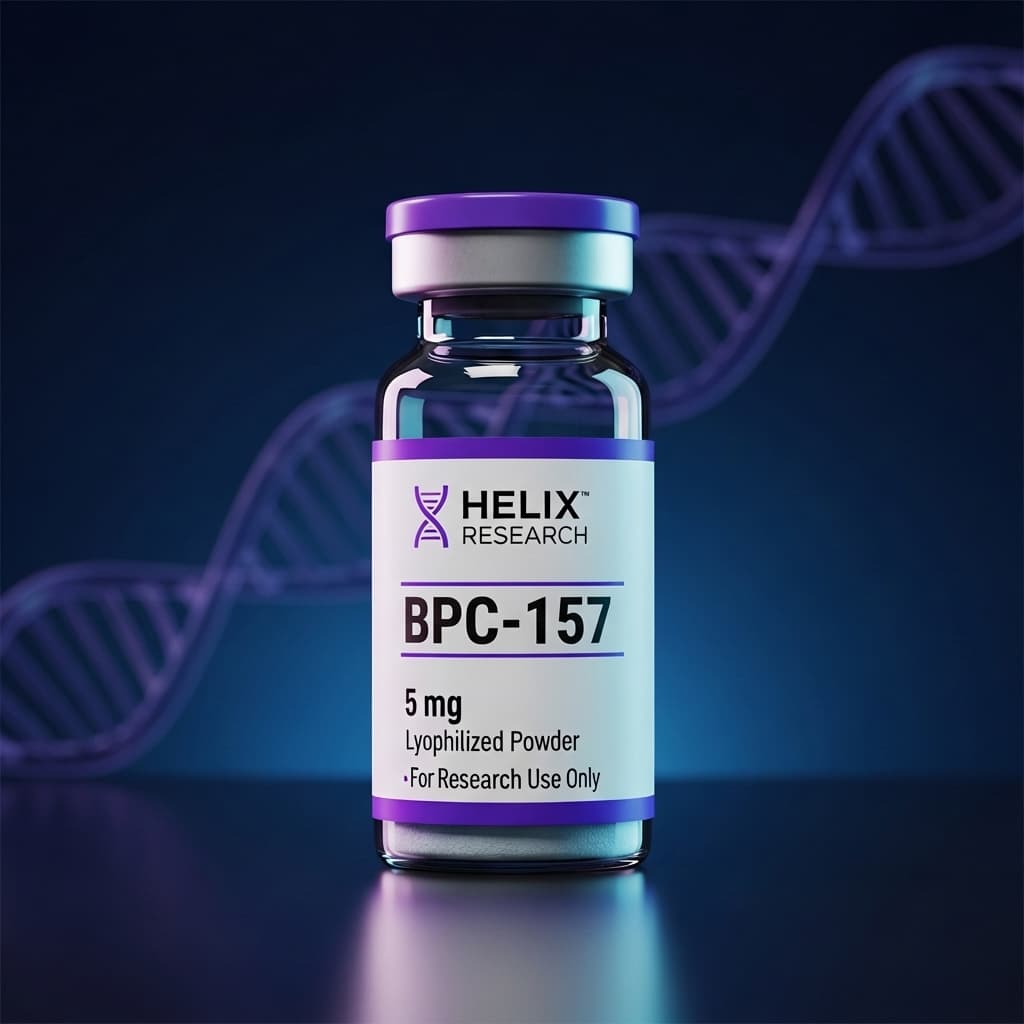
Up to 6% OffBPC 157
Estudiado para la reparación de tendones, intestino y tejidos
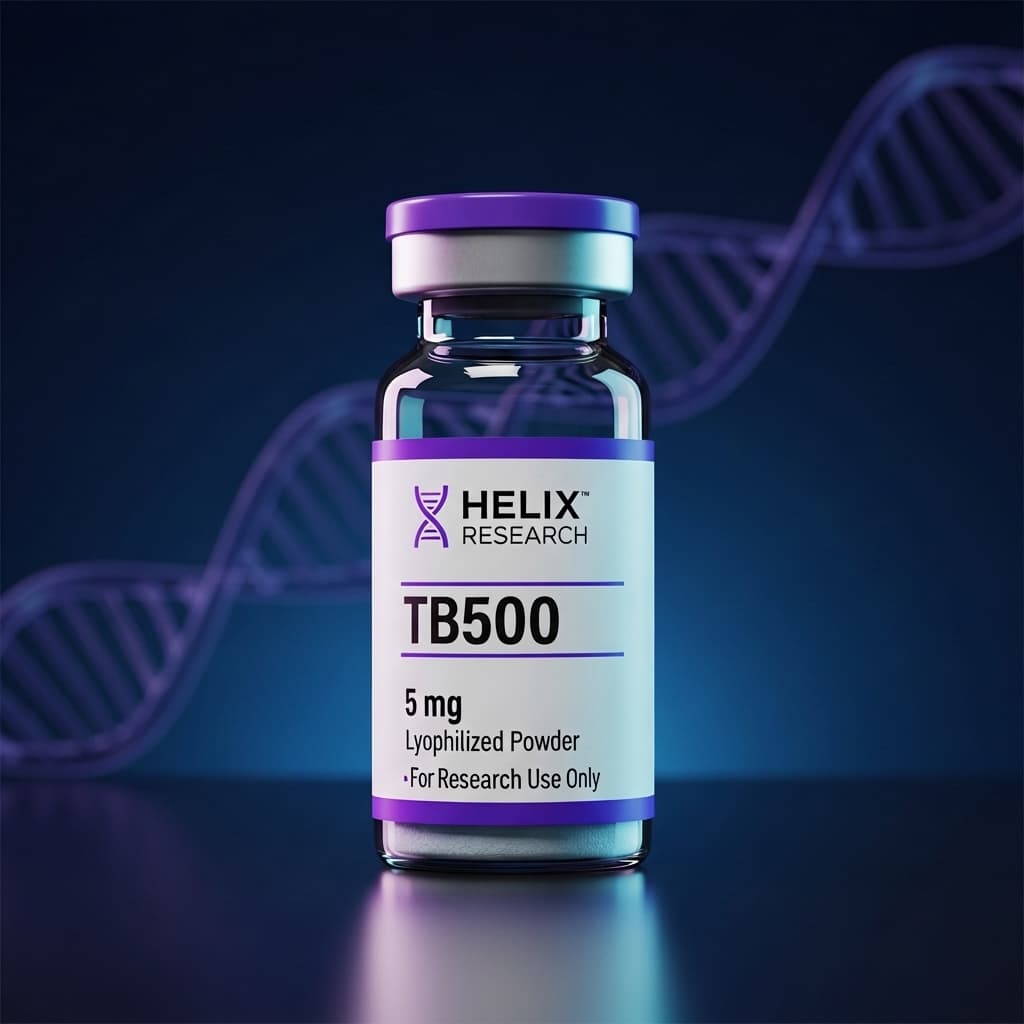
Up to 49% OffTB500
Estudiado para la reparación acelerada de tejidos y movilidad
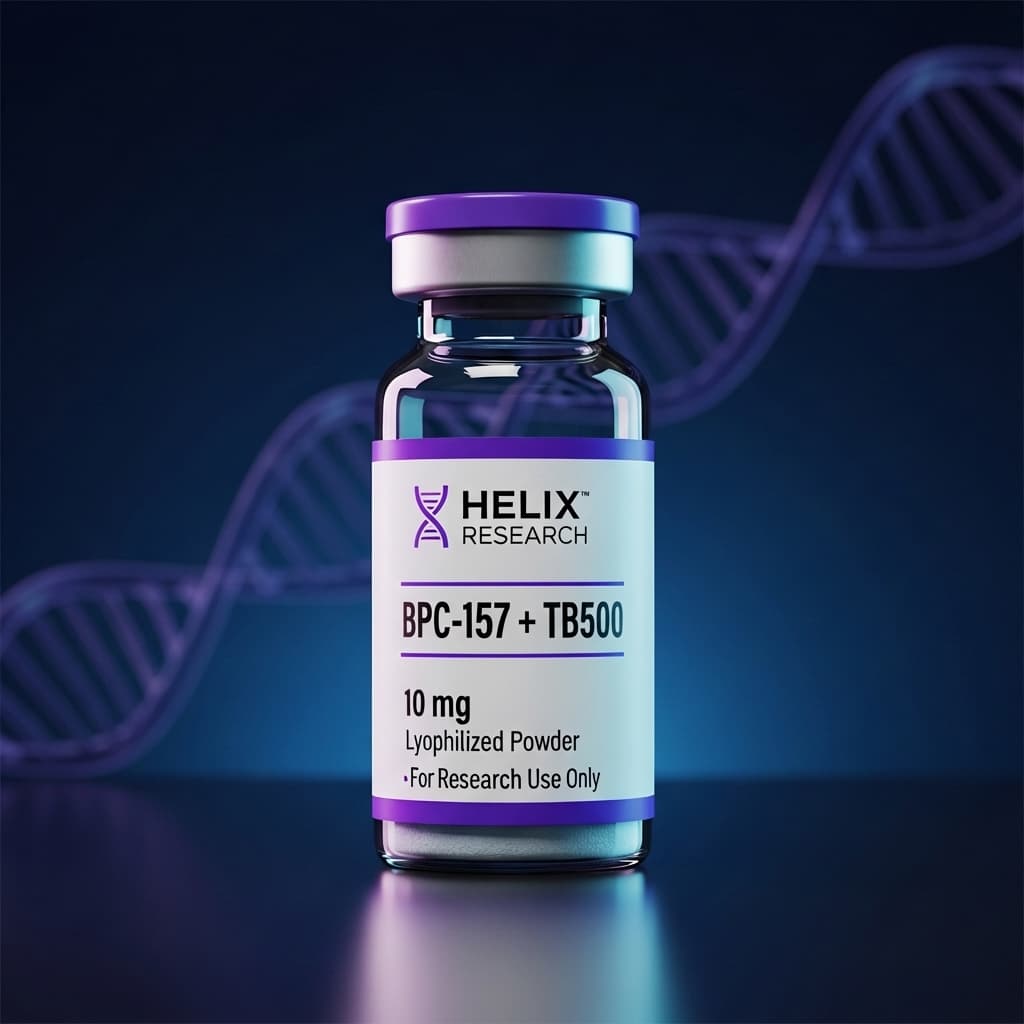
BPC 5mg + TB 5mg
El dúo de reparación más investigado en un solo vial
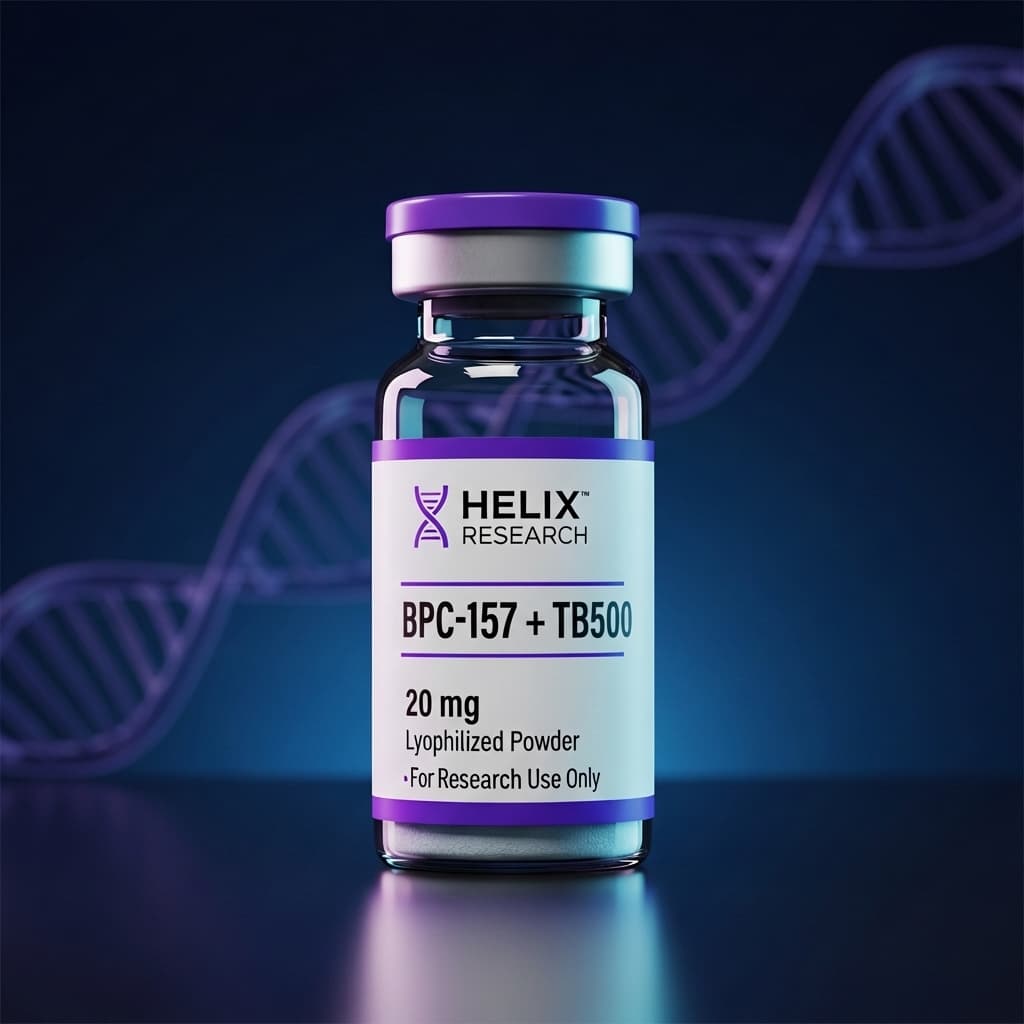
BPC 10mg + TB 10mg
Péptidos de reparación de máxima concentración para investigación avanzada