Sin spam. Cancela en cualquier momento.
Análisis de Pureza HPLC
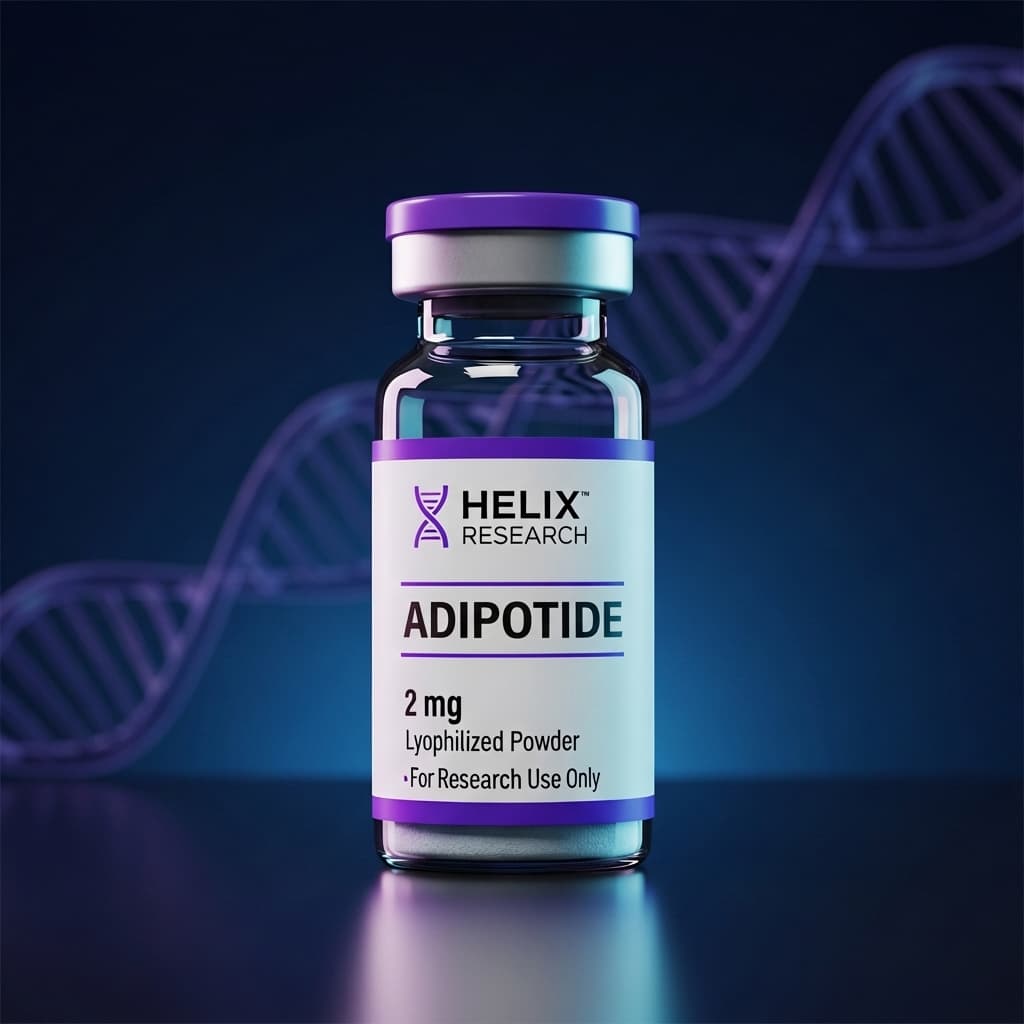
Adipotide/FTTP
CAS: 62568-57-4
Estudiado para la modulación vascular del tejido adiposo
Adipotide/FTTP is a research peptide in the glp-1 / weight management category. Adipotide is a chimeric peptidomimetic consisting of two functional domains: a targeting motif (CKGGRAKDC) that binds prohibitin on the surface of blood vessels supplying white adipose tissue, and a proapoptotic peptide D(KLAKLAK)2 that disrupts mitochondrial membranes in targeted endothelial cells. MiPeptidos offers Adipotide/FTTP in 3 sizes with 99.5% verified purity and full analytical documentation.
- Targets fat blood vessels
- Up to 38% abdominal fat loss
- No diet changes required
- Visible results in 4 weeks
Research in primate studies suggests visible fat reduction can begin within the first 1-2 weeks as adipose blood vessels are targeted. By week 4, obese primates showed up to 11% body weight loss and 38% reduction in abdominal fat without any dietary changes. This peptide works fundamentally differently than metabolic fat-loss agents — it physically destroys the blood supply feeding fat tissue. Users should be aware that adequate hydration and kidney function monitoring are essential throughout the protocol, as the peptide is cleared through the kidneys.
$42.30/vial · Everything you need to start
Sin spam. Cancela en cualquier momento.
Análisis de Pureza HPLC
Target Fat at the Source.
4-week adipose vasculature disruption protocol backed by 5 published studies and 3 leading researchers
Adipotide (FTTP — Fat-Targeted Proapoptotic Peptide) is a chimeric peptide composed of a prohibitin-targeting sequence fused to a proapoptotic domain (KLAKLAK)2. It was designed to selectively bind prohibitin on the surface of blood vessels feeding white adipose tissue, triggering apoptosis of the vascular endothelium and subsequent fat cell death through ischemia.
Resultados Publicados
Revisado por ParesResultados cuantificables de investigación clínica publicada.
Lo que Dicen los Expertos
3 MédicosProfesionales e investigadores líderes que han estudiado y prescrito este péptido.
Dr. Wadih Arap
Professor of Medicine, Rutgers Cancer Institute
Co-inventor of Adipotide/FTTP. Pioneered vascular-targeted therapy using phage display technology to identify tissue-specific peptide ligands. Over 200 publications in Nature, Science, and Cell.
Adipotide represents a paradigm shift — instead of asking fat cells to release their contents, we eliminate the blood vessels that sustain them. The adipose tissue undergoes ischemic involution.
Primate studies used 0.5-1.0 mg/kg subcutaneous daily for 28 days. Renal function monitoring is essential as the peptide is cleared through kidneys and can cause reversible proximal tubular changes.
Fuente: Science Translational Medicine (2012); PNAS (2004)
Dr. Renata Pasqualini
Professor of Medicine, Rutgers Cancer Institute
Co-inventor of Adipotide. Pioneer in combinatorial peptide libraries and vascular zip codes. Her lab identified the prohibitin receptor on adipose vasculature enabling targeted fat destruction.
Every tissue has a unique vascular address. Adipose tissue blood vessels express prohibitin on their luminal surface — a molecular zip code we exploit to deliver the apoptotic payload exclusively to fat vasculature.
Start at lower end of dosing range and titrate based on renal biomarkers. Hydration support is critical throughout the protocol to protect renal function during peptide clearance.
Fuente: Nature Medicine (2001); Science Translational Medicine (2012)
Dr. Mikhail Kolonin
Professor of Molecular Medicine, UTHealth Houston
Leading researcher in adipose tissue biology and vascular targeting. Extended Adipotide research to white adipose tissue progenitor cell populations and obesity-related vascular remodeling.
The prohibitin pathway offers a remarkably selective entry point into adipose vasculature. Understanding the molecular heterogeneity of fat depot blood vessels is key to optimizing targeted peptide therapies.
Research protocols should include baseline and weekly BUN/creatinine monitoring. The renal effects observed in primates were dose-dependent and fully reversible upon cessation.
Fuente: Journal of Clinical Investigation; Cell Metabolism
Protocolo de Dosificación
4 FasesRégimen de dosificación paso a paso compilado de profesionales líderes e investigación clínica.
Begin at half the target dose to assess tolerability. Obtain baseline renal panel (BUN, creatinine, urinalysis) and body composition measurements before first dose. Monitor injection site reactions.
Increase to target dose if Week 1 was tolerated without renal marker changes. Continue daily hydration protocol (minimum 2.5L water daily). Repeat renal panel at end of week.
Maintain target dose through protocol completion. Body composition changes become measurable during this phase. Weekly renal monitoring mandatory. Reduce dose if creatinine rises >25% above baseline.
Fat loss continues for 2-4 weeks after last dose as ischemic adipose tissue involutes. Monitor renal recovery and final body composition. Any renal changes should normalize within 2-4 weeks.
Add 1 mL bacteriostatic water to 5 mg vial = 5 mg/mL. For a 75 kg subject at 0.5 mg/kg = 37.5 mg daily (requires multiple vials for full protocol). Calculate exact volume per dose based on body weight.
Single 4-week course followed by minimum 8-week washout. Do not repeat protocol until renal function fully normalizes and body composition stabilizes. Maximum 2-3 courses per year.
Lyophilized: -20°C for 24+ months. Reconstituted: 2-8°C, use within 14 days. The (KLAKLAK)2 domain is sensitive to degradation — avoid repeated freeze-thaw cycles.
Subcutaneous injection into abdominal adipose tissue for optimal local delivery. Rotate injection sites to prevent localized tissue damage. Always inject slowly over 10-15 seconds. Maintain aggressive hydration throughout the protocol.
Cronología de Recuperación
Basado en observaciones de investigación publicada. Los resultados individuales varían. Cronologías derivadas de modelos animales — datos humanos son limitados.
Vascular Targeting Initiation
- Adipotide binds prohibitin on adipose blood vessel endothelium within hours of injection
- Proapoptotic (KLAKLAK)2 domain begins disrupting mitochondrial membranes in targeted endothelial cells
- No visible body composition changes expected at assessment dose
- Renal biomarkers monitored for early tubular effects
Base de investigación: Kolonin et al. (2004) Nature Medicine — phage display identification of prohibitin as adipose vascular receptor
Adipose Vascular Disruption
- Endothelial apoptosis in white adipose vasculature becomes measurable
- Blood flow reduction to targeted fat depots initiates ischemic cascade
- Early weight changes may appear (1-3% body weight in primate models)
- Adipocytes begin nutrient deprivation-induced stress responses
- Subcutaneous fat may feel slightly firmer at injection sites
Base de investigación: Barnhart et al. (2011) preclinical imaging studies; Adipotide vascular disruption kinetics
Accelerated Fat Involution
- Significant body weight reduction measurable (up to 11% in primate studies)
- Abdominal circumference decreases as visceral and subcutaneous fat involutes
- Insulin sensitivity improvements as adipose mass decreases
- BMI and waist-to-hip ratio show progressive improvement
- Fat loss is predominantly from white adipose depots — brown fat relatively spared
Base de investigación: Barnhart et al. (2011) Science Translational Medicine — 11% BW loss in obese rhesus monkeys
Post-Protocol Involution & Stabilization
- Fat loss continues 2-4 weeks post-cessation as ischemic tissue completes involution
- Renal function normalizes (proximal tubular changes fully reversible)
- Body composition stabilizes at new set point
- Metabolic improvements (insulin sensitivity, lipid profile) persist
Base de investigación: Barnhart et al. (2011) — continued weight loss after treatment cessation; renal recovery documented
Long-Term Body Composition Assessment
- Fat depot reduction appears durable in primate follow-up studies
- Adipose vascular network does not fully regenerate short-term
- Dietary management recommended to prevent compensatory fat gain in untreated depots
- Serial body composition scans document sustained remodeling
Base de investigación: Preclinical follow-up data; adipose tissue vascular biology literature
Mecanismo de Acción
3 vías biológicas distintas a través de las cuales opera este péptido.
Prohibitin Receptor Targeting
Adipotide's targeting domain binds prohibitin (PHB) expressed on the luminal surface of white adipose tissue vasculature, achieving selective tissue delivery without systemic toxicity.
- PHB is overexpressed on adipose endothelium relative to other vascular beds
- Peptide-PHB binding occurs within minutes of subcutaneous absorption
- Selectivity ratio >10:1 for adipose vasculature versus lean tissue vessels
Kolonin et al. (2004) PMID: 15558056
(KLAKLAK)2 Mitochondrial Disruption
Upon internalization, the (KLAKLAK)2 domain disrupts mitochondrial membranes in targeted endothelial cells, triggering cytochrome c release and caspase-dependent apoptosis.
- (KLAKLAK)2 is an amphipathic peptide that selectively disrupts mitochondrial outer membrane
- Cytochrome c release activates caspase-9 → caspase-3 apoptotic cascade
- Endothelial cell death occurs within 24-48 hours of peptide binding
Barnhart et al. (2011) PMID: 22053050
Ischemic Adipose Involution
Destruction of adipose vasculature deprives fat cells of oxygen and nutrients, triggering ischemic cell death and progressive adipose tissue involution over weeks.
- Vascular disruption creates local hypoxia in adipose depots
- Adipocytes undergo necrosis and apoptosis due to nutrient deprivation
- Macrophage infiltration clears dead adipocytes over 2-6 weeks post-treatment
- Fat depot reduction is proportional to degree of vascular disruption achieved
Barnhart et al. (2011) PMID: 22053050; Tran et al. (2012) PMID: 22405072
Investigación Publicada
5 estudios revisados por pares de PubMed. Haz clic en cualquier PMID para ver el estudio completo.
Targeted Apoptosis of Fat-Associated Vascular Cells by a Chimeric Peptide
Kolonin MG, Saha PK, Chan L, Pasqualini R, Arap W — Nature Medicine (2004)
Hallazgo Clave: First demonstration that a prohibitin-targeted proapoptotic peptide selectively destroys adipose vasculature in mice, producing 30% white fat reduction without affecting other tissues.
An Adipose-Targeted Proapoptotic Peptide Causes Weight Loss in Obese Nonhuman Primates
Barnhart KF, Christianson DR, Hanley PW, et al. — Science Translational Medicine (2011)
Hallazgo Clave: Adipotide (FTTP) produced 11% body weight loss and 38% reduction in abdominal fat in obese rhesus monkeys over 4 weeks, with improvements in insulin resistance and concurrent reversible renal effects.
Prohibitin ligands in cell death and survival: mode of action and therapeutic potential
Kolonin MG, Cardó-Vila M, et al. — Cancer Research (2006)
Hallazgo Clave: Prohibitin serves as a vascular receptor specifically expressed on the luminal surface of adipose tissue blood vessels, making it an ideal molecular target for tissue-selective drug delivery.
Functional diversity of the adipose vascular niche
Tran KV, Gealekman O, Frontini A, et al. — Cell Metabolism (2012)
Hallazgo Clave: Adipose tissue vasculature is functionally heterogeneous with depot-specific endothelial markers. White fat vessels express prohibitin while brown fat vasculature has distinct molecular signatures, explaining Adipotide's selectivity.
Vascular zip codes in angiogenesis and metastasis
Ruoslahti E — Biochemical Society Transactions (2004)
Hallazgo Clave: Organ-specific vascular endothelial markers ('zip codes') enable targeted delivery of therapeutic peptides. The phage display technology underlying Adipotide discovery has identified hundreds of tissue-specific vascular addresses.
Potencia tu Protocolo de Investigación
3 SinergiasLa investigación sugiere combinar Adipotide/FTTP con estos péptidos para mecanismos complementarios.

AOD9604 stimulates lipolysis through a GH-receptor fragment mechanism while Adipotide destroys fat vasculature — attacking fat stores through two completely independent pathways.
Simultaneous structural elimination of fat vasculature and metabolic liberation of stored triglycerides for dramatically enhanced fat reduction.

Semaglutide reduces caloric intake via GLP-1 receptor agonism while Adipotide physically destroys adipose blood supply — complementary metabolic and structural approaches to fat reduction.
Reduced caloric input (semaglutide) combined with physical destruction of fat tissue infrastructure (Adipotide) for multi-axis obesity intervention.

As Adipotide releases fatty acids from dying adipocytes, L-Carnitine shuttles them into mitochondria for beta-oxidation — preventing re-esterification and lipotoxicity.
Ensures fatty acids released by Adipotide-induced adipocyte death are efficiently oxidized rather than redistributed to other tissues.
Especificaciones
Cómo Funciona Adipotide/FTTP
Adipotide is a chimeric peptidomimetic consisting of two functional domains: a targeting motif (CKGGRAKDC) that binds prohibitin on the surface of blood vessels supplying white adipose tissue, and a proapoptotic peptide D(KLAKLAK)2 that disrupts mitochondrial membranes in targeted endothelial cells. This triggers apoptosis of the vascular supply to fat tissue, causing adipose tissue regression through ischemia and resorption.
Aplicaciones de Investigación
Precios
| Tamaño | Por Vial | Paquete de 10 |
|---|---|---|
2mg | $50.00 | $425.00 |
5mg | $110.00 | $935.00 |
10mgMejor Valor | $160.00 | $1360.00 |
Precios de paquete de 10 mostrados. Descuentos por volumen para 50+ viales — contáctenos.
Certificado de Análisis
Este COA es una muestra representativa. Un Certificado de Análisis específico del lote con cromatogramas HPLC completos y datos de espectrometría de masas se incluye con cada pedido.
Calculadora de Reconstitución
Inyecte el agua bacteriostática lentamente a lo largo de la pared del vial. Agite suavemente hasta disolver — nunca sacuda. Almacene la solución reconstituida a 2-8°C y use dentro de 30 días.
Reseñas de Clientes
Preguntas Frecuentes
Seguridad y Advertencias
Renal toxicity — mandatory monitoring required
Adipotide is cleared through the kidneys and causes dose-dependent proximal tubular changes in primate studies. BUN, creatinine, and urinalysis must be monitored at baseline and weekly throughout the protocol. Reduce dose or discontinue if creatinine rises >25% above baseline.
Not approved for human use
Adipotide/FTTP has only been studied in rodent and non-human primate models. No human clinical trials have been completed. All information is strictly for research and educational purposes.
Solo para Fines de Investigación y Educación. No es consejo médico. No para consumo humano. Consulte a un médico autorizado antes de tomar cualquier decisión relacionada con la salud.
Péptidos Relacionados
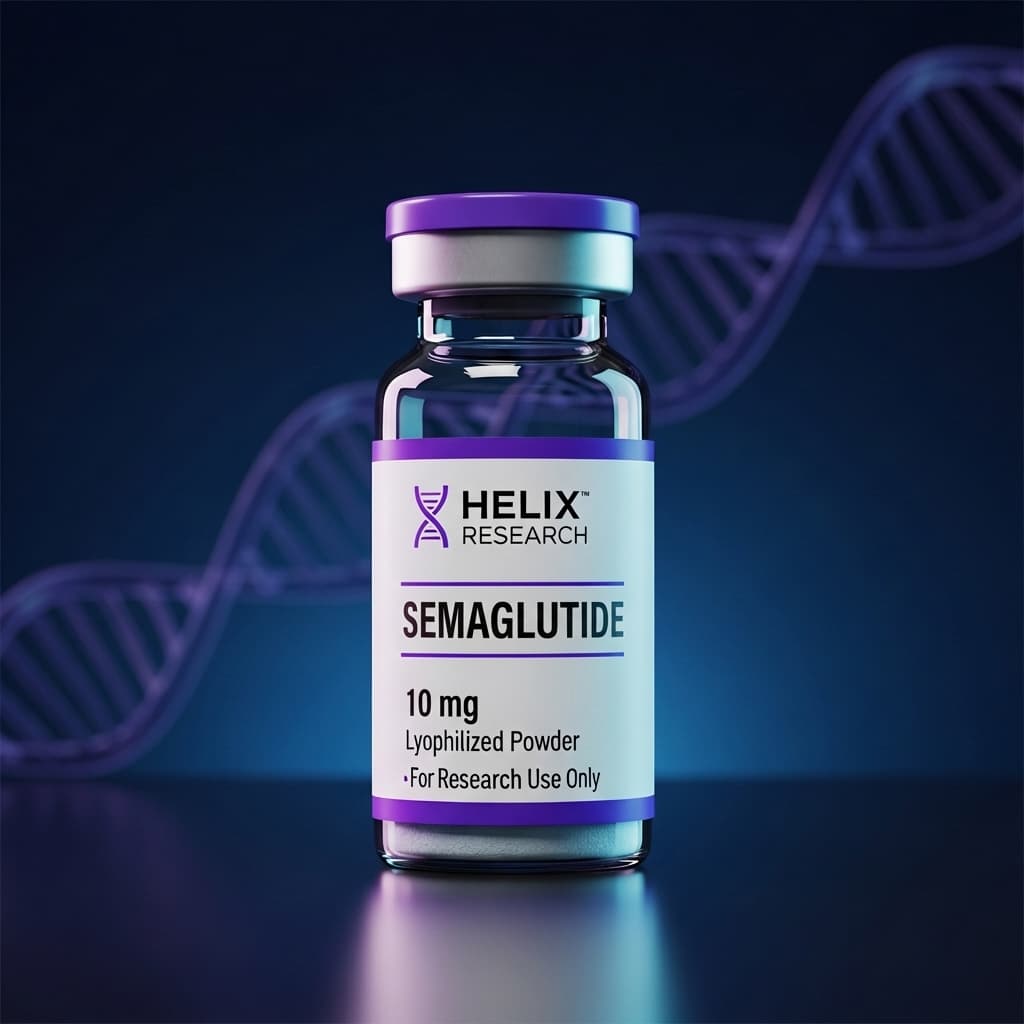
Up to 50% OffSemaglutide
Estudiado clínicamente para una reducción de peso constante — una vez por semana
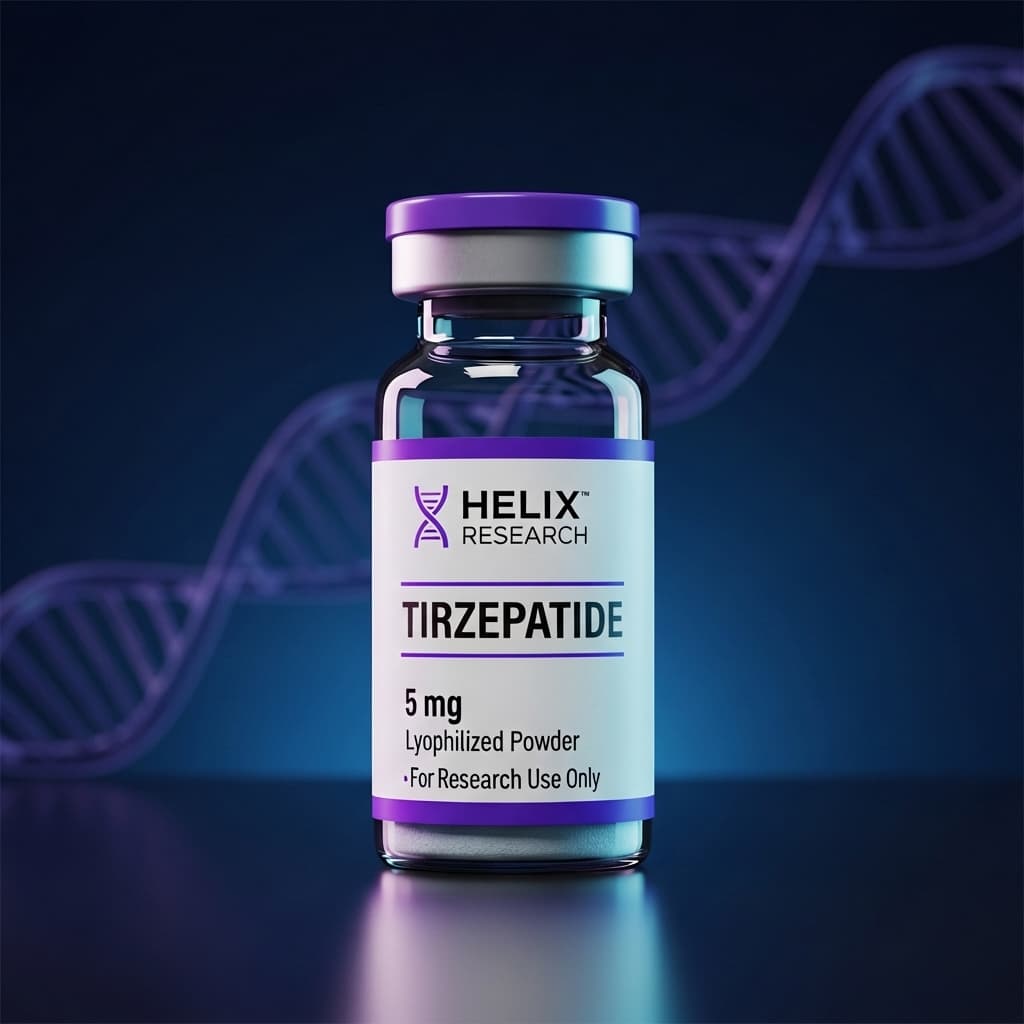
Up to 60% OffTirzepatide
El agonista dual más estudiado para la reducción de peso
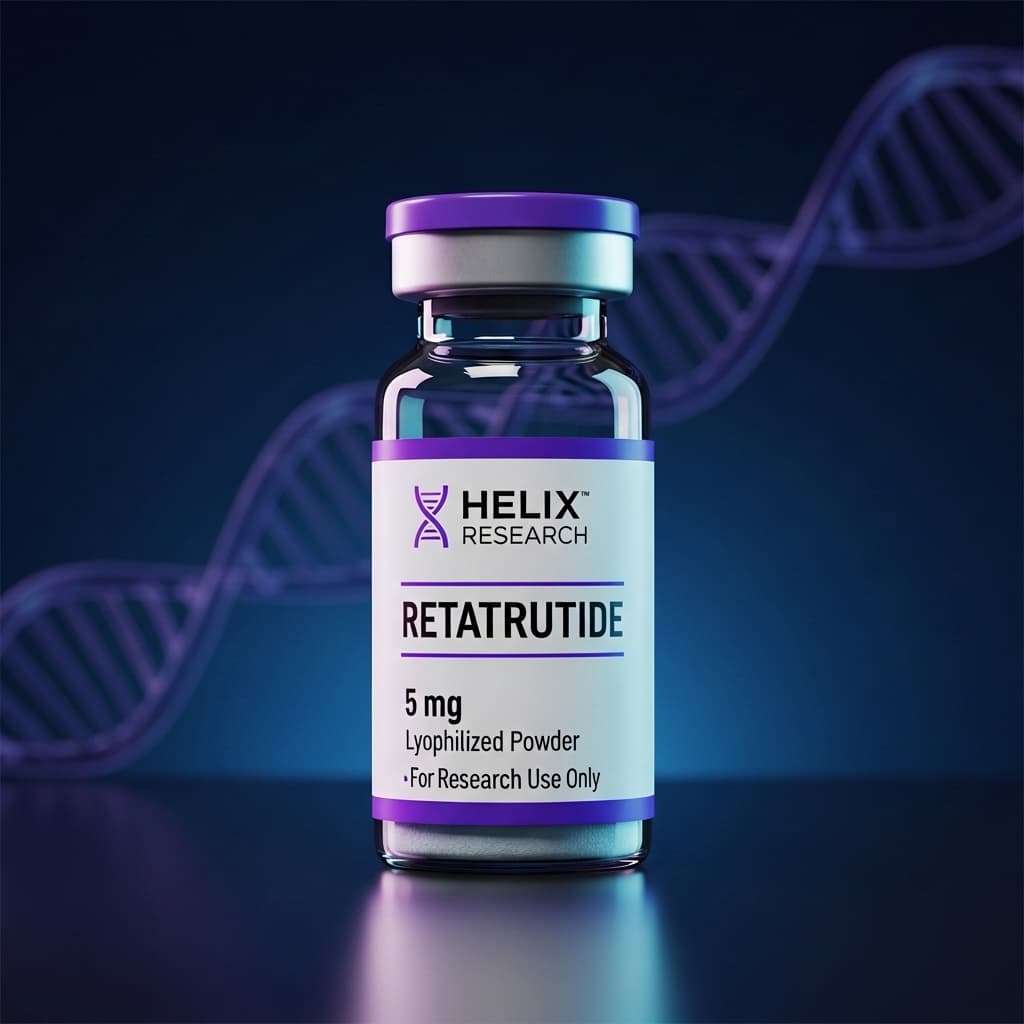
Up to 42% OffRetatrutide
Agonista de triple receptor estudiado para una actividad metabólica mejorada
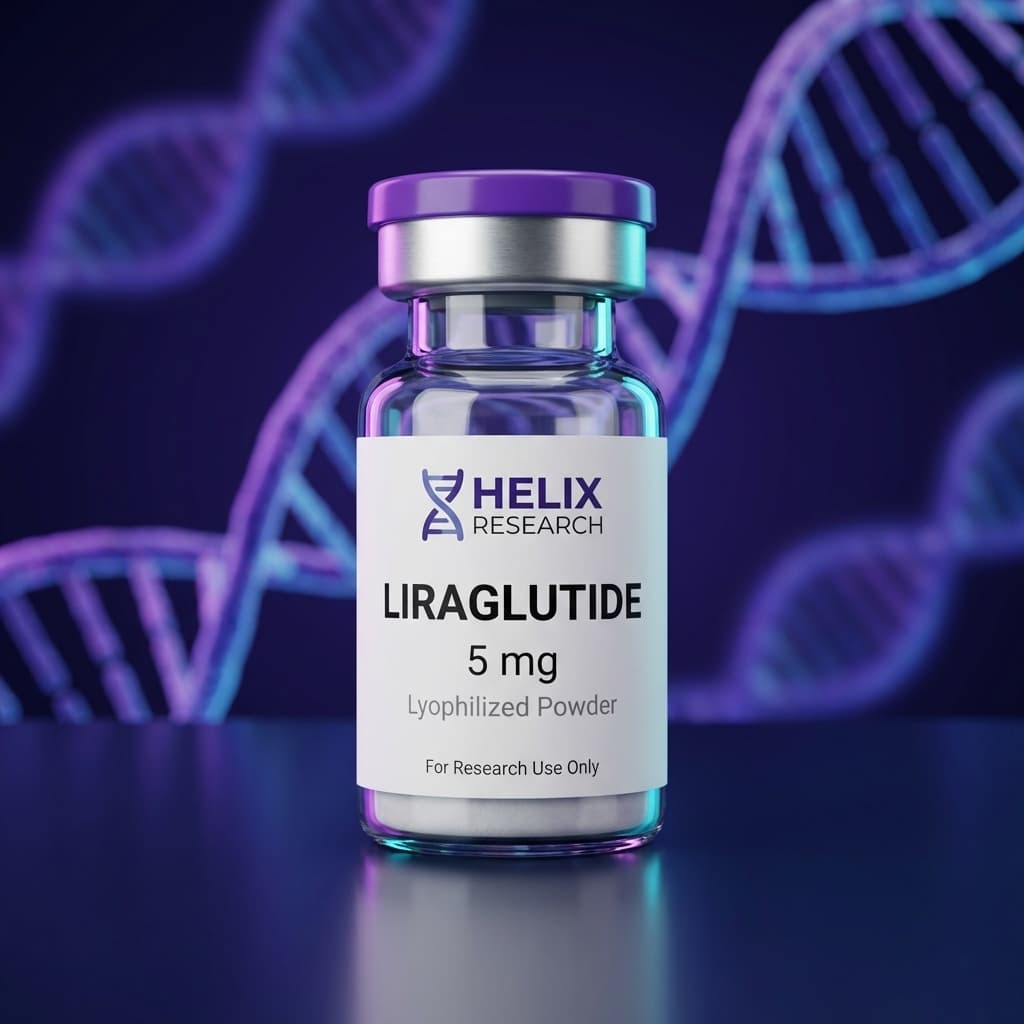
Up to 38% OffLiraglutide
GLP-1 diario estudiado para la regulación constante del apetito