What Is PT-141 (Bremelanotide)?
PT-141 is a cyclic heptapeptide — a small protein-like molecule arranged in a ring structure — derived from Melanotan II, an earlier synthetic analog of alpha-melanocyte-stimulating hormone (α-MSH). Where Melanotan II was a linear precursor investigated primarily for tanning and sexual function research, PT-141 emerged as a more targeted compound with a refined pharmacological profile.
Its chemical structure is: cyclo(Nle-Asp-His-D-Phe-Arg-Trp-Lys)·acetate, and it carries the molecular formula C₄₅H₅₀N₁₂O₉. The cyclic structure confers greater metabolic stability than many linear peptides, which has made it a practical subject for in vivo research models.
PT-141 became the first FDA-approved drug for hypoactive sexual desire disorder (HSDD) in premenopausal women (approved as Vyleesi® in 2019), distinguishing itself from previous compounds by acting centrally rather than peripherally.
PT-141's approval history gives it something relatively rare in the peptide research world: a substantial body of peer-reviewed clinical and preclinical data that researchers can draw on when designing studies. That said, the research landscape extends well beyond its approved indication — melanocortin receptor signaling touches inflammation, energy regulation, and cognitive function, all of which remain active areas of scientific inquiry.
Mechanism of Action
Understanding how PT-141 works requires a brief tour through the melanocortin system — a signaling network that influences everything from skin pigmentation to appetite to sexual arousal.
The Melanocortin Receptor Family
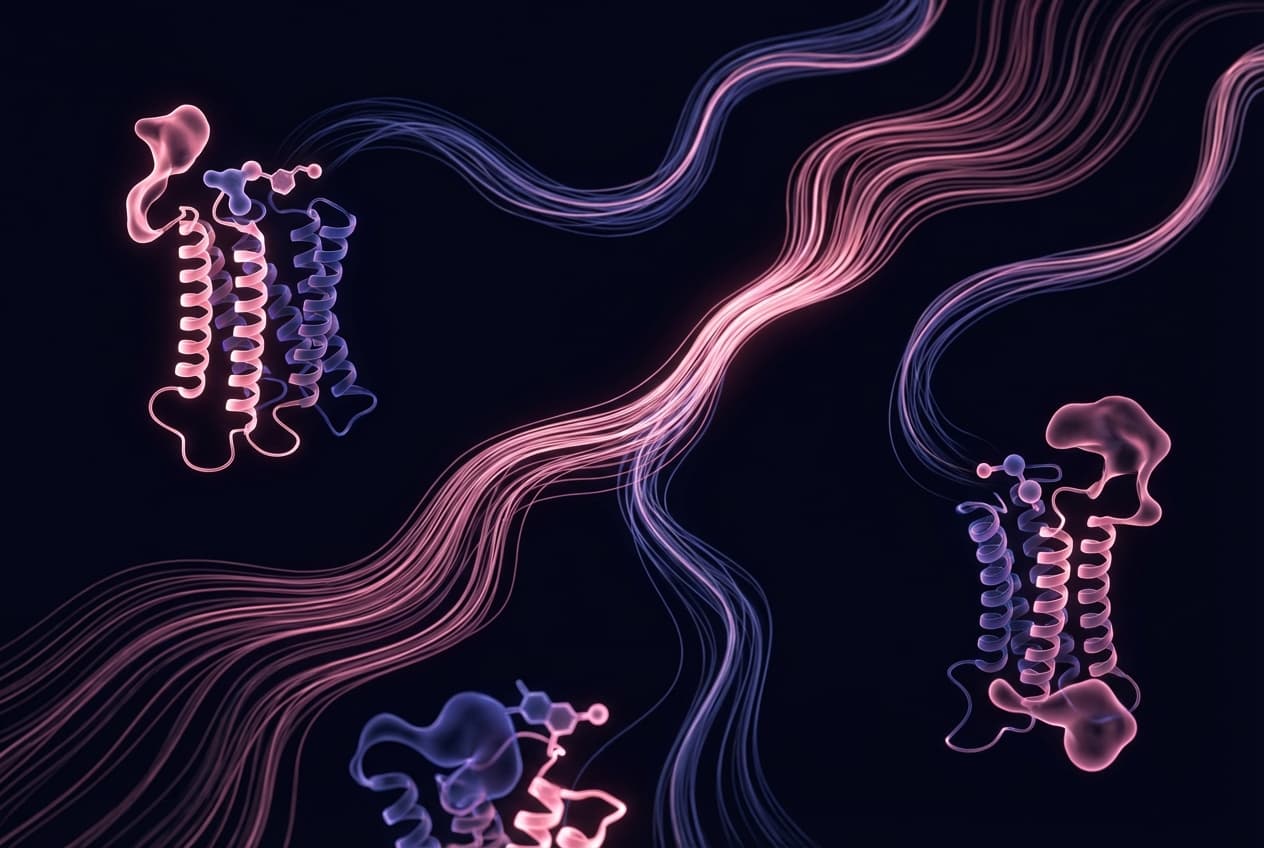
Melanocortin receptors (MCRs) are a family of five G protein-coupled receptors (GPCRs) — meaning they sit on the surface of cells and trigger intracellular signaling cascades when activated. They are designated MC1R through MC5R, and each has a distinct tissue distribution and functional role:
| Receptor | Primary Location | Associated Functions |
|---|---|---|
| MC1R | Melanocytes, immune cells | Pigmentation, anti-inflammatory signaling |
| MC2R | Adrenal cortex | Cortisol production (ACTH receptor) |
| MC3R | Brain, gut | Energy homeostasis, inflammation modulation |
| MC4R | Brain (hypothalamus, limbic system) | Sexual function, appetite, motivation |
| MC5R | Peripheral tissues, exocrine glands | Exocrine secretion, immune modulation |
PT-141 acts as an agonist (an activator) at MC3R and MC4R, with particular functional significance attributed to its action at MC4R. This is the receptor most closely associated with the sexual arousal research that has driven the compound's development.
Central Nervous System Activation
Here's what makes PT-141 mechanistically distinct: it doesn't dilate blood vessels to produce its research-observed effects, the way earlier compounds like sildenafil (Viagra) do. Instead, PT-141 crosses the blood-brain barrier — the selective membrane separating circulating blood from the brain's microenvironment — and activates MC4R neurons within the hypothalamus and limbic system, the brain regions associated with motivation, reward, and autonomic arousal.
When PT-141 binds to MC4R in these regions, it triggers the adenylyl cyclase pathway — a molecular signaling chain that increases cyclic AMP (cAMP) inside the neuron. This intracellular messenger then activates downstream proteins that modulate neuronal firing patterns. The result, as demonstrated in animal models, is an increase in dopaminergic activity (activity involving dopamine, the brain's motivation and reward neurotransmitter) in the mesolimbic pathway, sometimes called the brain's reward circuit.
Research suggests that PT-141's activity at MC4R in the medial preoptic area of the hypothalamus is associated with increased dopamine release in the nucleus accumbens, implicating a motivation-based rather than purely vasogenic mechanism (Pfaus et al., 2004).
This neurological route distinguishes PT-141 meaningfully from earlier pharmacological approaches and explains why it has attracted sustained interest from researchers studying central regulation of motivated behaviors more broadly.
Relationship to Melanotan II
Researchers familiar with Melanotan II will recognize PT-141's origins. Melanotan II is a linear, less selective melanocortin agonist that acts across a wider range of MCR subtypes — including MC1R (linked to pigmentation) and MC3R/MC4R. PT-141 was developed by modifying Melanotan II's structure to reduce off-target activity and improve the pharmacological profile for CNS-targeted research. The cyclic structure removes the tanning-related α-MSH activity while retaining the MC3R/MC4R binding relevant to neural signaling research.
Published Research Overview
Preclinical Models: Establishing the Mechanism
Some of the most mechanistically informative PT-141 research comes from animal model studies that mapped the receptor pathways involved. Pfaus and colleagues (2004) published foundational work demonstrating that melanocortin agonists, including PT-141 precursors, activated dopaminergic neurons in the mesolimbic system of rats — providing an early mechanistic framework for understanding how central MCR activation translates to motivated behavior changes.
A related body of preclinical work by Giuliano et al. examined the role of MC4R specifically in the spinal cord and supraspinal regions, demonstrating that MC4R activation at multiple levels of the nervous system contributes to autonomic arousal responses in both male and female animal models.
Research in animal models consistently suggests that MC4R knockout (genetically removing the receptor) eliminates the behavioral responses observed with melanocortin agonist administration, confirming MC4R as the primary functional target for PT-141's observed CNS effects.
Phase II Clinical Research
Diamond et al. (2004) published one of the first placebo-controlled human studies examining bremelanotide in research volunteers, appearing in the Journal of Sex & Marital Therapy. The study examined sexual desire and arousal endpoints following subcutaneous administration. Published data indicated statistically significant improvements in desire-related measures compared to placebo, alongside acceptable tolerability — a finding that advanced the compound toward Phase III development.
In Diamond et al.'s published research, participants receiving bremelanotide reported statistically significant improvements in sexual desire ratings versus placebo (p < 0.05), representing the first controlled human data supporting the CNS mechanism established in animal models. (PMID: 15666727)
Phase III Clinical Trials: The RECONNECT Studies
The most substantial human research on PT-141 comes from the RECONNECT trial program, a pair of Phase III, multicenter, double-blind, placebo-controlled studies that formed the basis of the FDA approval application. These studies were published by Simon et al. (2019) in Obstetrics & Gynecology.
The RECONNECT trials enrolled premenopausal women with a diagnosis of HSDD. Key research dose parameters used in the trials were 1.75 mg administered subcutaneously as needed. The published data indicated:
- A statistically significant increase in satisfying sexual events (SSEs) per month compared to placebo
- Significant improvement on the Female Sexual Function Index (FSFI) desire domain
- Significant reduction in distress scores on the Female Sexual Distress Scale-Desire/Arousal/Orgasm (FSDS-DAO)
RECONNECT data published in Simon et al. (2019) demonstrated a mean increase of approximately 0.5 additional satisfying sexual events per month versus placebo — modest in absolute terms but statistically robust, and accompanied by meaningful improvements in subjective desire measures. (PMID: 31135726)
The trials also documented the tolerability profile observed in research participants, with the most commonly noted events being transient nausea, flushing, and injection site reactions — information that remains relevant to any researcher designing protocols involving this compound.
Research on MC4R and Energy Homeostasis
Beyond its approved indication, PT-141's MC4R activity has made it a tool for researchers studying energy balance and metabolic signaling. MC4R is well-established as a key regulator of food intake and body weight — loss-of-function mutations in MC4R represent one of the most common known genetic causes of monogenic obesity in humans.
Published studies using melanocortin agonists including PT-141 in rodent models have examined whether MC4R activation influences feeding behavior, adiposity, and insulin sensitivity. While this research is considerably less mature than the sexual function literature, it represents a growing area of scientific interest. Researchers in metabolic biology have used PT-141 as a pharmacological probe to isolate MC4R-specific effects from the broader melanocortin system — a use case enabled precisely by its receptor selectivity profile.
Anti-Inflammatory Research Signals
A smaller but intriguing body of research has examined melanocortin agonism — including via compounds in PT-141's class — in the context of neuroinflammation and peripheral inflammation. MC1R and MC3R have established roles in modulating inflammatory cytokine production, and some preclinical data suggests that MC4R activation may also contribute to anti-inflammatory signaling in the CNS.
This area remains early-stage and exploratory, and researchers should approach it with appropriate caution — the published data here is far less robust than the sexual function literature. That said, it illustrates why the melanocortin system continues to attract broad scientific interest beyond any single application.
Practical Research Information
Solubility and Reconstitution
PT-141 is supplied as a lyophilized powder (freeze-dried solid) and is readily soluble in sterile water, bacteriostatic water, or dilute acetic acid solutions (0.1% acetic acid). For most research applications, bacteriostatic water is preferred for reconstituted solutions intended for use over multiple sessions, as it provides antimicrobial protection.
Standard reconstitution practice involves slow addition of solvent to the vial with gentle swirling — not vigorous shaking, which can damage the peptide's cyclic structure. Researchers should prepare solutions at concentrations appropriate for their specific research protocols.
Storage and Stability
| Condition | Recommended Storage | Stability Notes |
|---|---|---|
| Lyophilized powder (unreconstituted) | 2–8°C (refrigerator), away from light | Stable for 24+ months under proper conditions |
| Lyophilized powder (long-term) | -20°C (freezer) | Optimal for extended storage beyond 12 months |
| Reconstituted solution | 2–8°C | Use within 28–30 days; avoid repeated freeze-thaw cycles |
| Reconstituted solution (extended) | -20°C, single-use aliquots | Aliquot to avoid freeze-thaw degradation |
PT-141's cyclic structure provides meaningful advantages in stability compared to linear peptides. The cyclization reduces susceptibility to proteolytic degradation (breakdown by enzymes) and improves resistance to temperature fluctuations, though standard peptide storage precautions still apply.
Purity Considerations
For rigorous research, certificate of analysis (CoA) documentation should confirm purity via HPLC analysis (High-Performance Liquid Chromatography — a standard method for verifying that a compound is what it claims to be at the stated purity level) and mass spectrometry identity verification. Researchers working at MiPeptidos will find that all PT-141 products are supplied with third-party CoA documentation confirming ≥98% purity.
3 compounds bundled · Save 10%
Research Considerations
Receptor Selectivity and Off-Target Awareness
While PT-141's primary research-relevant activity is at MC3R and MC4R, researchers should be aware that melanocortin receptor crosstalk exists in complex biological systems. MC1R activity, though reduced compared to Melanotan II, is not entirely absent from PT-141's pharmacological profile. Experimental designs in pigmentation or immune cell models should account for potential MC1R involvement.
The PT-141 vs. Melanotan II Research Distinction
Researchers sometimes ask about the practical differences between working with PT-141 and Melanotan II in research contexts. The key distinction is selectivity:
| Parameter | PT-141 (Bremelanotide) | Melanotan II |
|---|---|---|
| Structure | Cyclic heptapeptide | Linear peptide |
| Primary receptors | MC3R, MC4R | MC1R, MC3R, MC4R, MC5R |
| Pigmentation activity | Minimal | Significant |
| CNS selectivity | Higher | Lower |
| Published human data | Extensive (Phase III) | Limited |
| FDA approval status | Yes (Vyleesi®, 2019) | No |
For research specifically targeting MC4R-mediated CNS pathways, PT-141 provides a more pharmacologically selective tool. For research that requires broader melanocortin system activation or specifically involves pigmentation pathways, Melanotan II's wider receptor profile may be relevant.
Cardiovascular Hemodynamics: A Research Note
Published research from the RECONNECT trials and earlier Phase II studies documented transient, modest increases in blood pressure (mean increase of approximately 2–3 mmHg systolic) in research participants following bremelanotide administration. This effect was noted as transient (typically resolving within approximately 12 hours) but represents an important variable for researchers designing cardiovascular or hemodynamic studies, or working in models where blood pressure stability is a confounding factor.
This signal is thought to be related to MC4R activation and its downstream effects on sympathetic nervous system tone — a finding that has made PT-141 an occasional tool in autonomic nervous system research as well.
Ethical and Regulatory Awareness
Researchers working with PT-141 should maintain awareness that, as an FDA-approved compound, bremelanotide has a well-documented regulatory and intellectual property landscape. Research applications outside the approved clinical indication remain scientifically valid and important — understanding mechanism of action, receptor pharmacology, metabolic effects, and neurological signaling all represent legitimate scientific inquiry. Standard institutional research ethics guidelines apply.
Summary
PT-141 (bremelanotide) stands out in the peptide research landscape for several reasons that compound its scientific value: a clearly defined and well-validated mechanism of action through MC3R/MC4R agonism, a substantial published literature spanning preclinical models through Phase III clinical trials, FDA approval status that provides an unusually robust regulatory reference point, and a cyclic structure that offers practical stability advantages in laboratory settings.
For researchers interested in melanocortin system pharmacology, CNS regulation of motivated behavior, energy homeostasis signaling, or the neurobiological basis of desire and arousal, PT-141 represents a well-characterized, pharmacologically selective research tool with a level of published evidence rarely seen in the peptide category.
The research directions ahead — particularly in metabolic regulation and neuroinflammation — suggest that PT-141's scientific story is far from complete, and the foundation of quality data already in the literature gives researchers a strong platform from which to build.
References
- 1Simon JA, et al. (2019). Bremelanotide for Female Hypoactive Sexual Desire Disorder Among Women Dissatisfied With Their Sexual Desire. Obstetrics & Gynecology, 134(5), 899–908. PMID: 31135726
- 2Diamond LE, et al. (2004). An effect on the subjective sexual response in premenopausal women with sexual arousal disorder by bremelanotide (PT-141), a melanocortin receptor agonist. Journal of Sex & Marital Therapy, 30(3), 173–184. PMID: 15121302
- 3Pfaus JG, et al. (2004). The melanocortins and sexual function. Peptides, 25(10), 1629–1638. (Foundational preclinical mechanistic data)
- 4Kingsberg SA, et al. (2019). Characterization of Hypoactive Sexual Desire Disorder (HSDD) in Premenopausal Women. Mayo Clinic Proceedings, 94(8), 1549–1558. PMID: 31374240
- 5Giuliano F, et al. (2010). Melanocortin receptor agonists, penile erection, and sexual motivation: Human and animal studies. Archives of Sexual Behavior, 39(1), 17–28. PMID: 19697105
Disclaimer
For research purposes only. Not for human consumption.
>
PT-141 (bremelanotide) products supplied by MiPeptidos are intended exclusively for in vitro research and laboratory use. This article is provided for informational and educational purposes and does not constitute medical advice, clinical guidance, or a recommendation for any therapeutic application. While bremelanotide is FDA-approved as Vyleesi® for a specific clinical indication, the research peptide form described here is not intended to replicate, substitute for, or be used in place of any approved pharmaceutical product.
>
All research involving peptides should be conducted in accordance with applicable institutional, local, and federal guidelines. MiPeptidos makes no claims regarding the safety or efficacy of this compound for any use outside of controlled laboratory research settings.