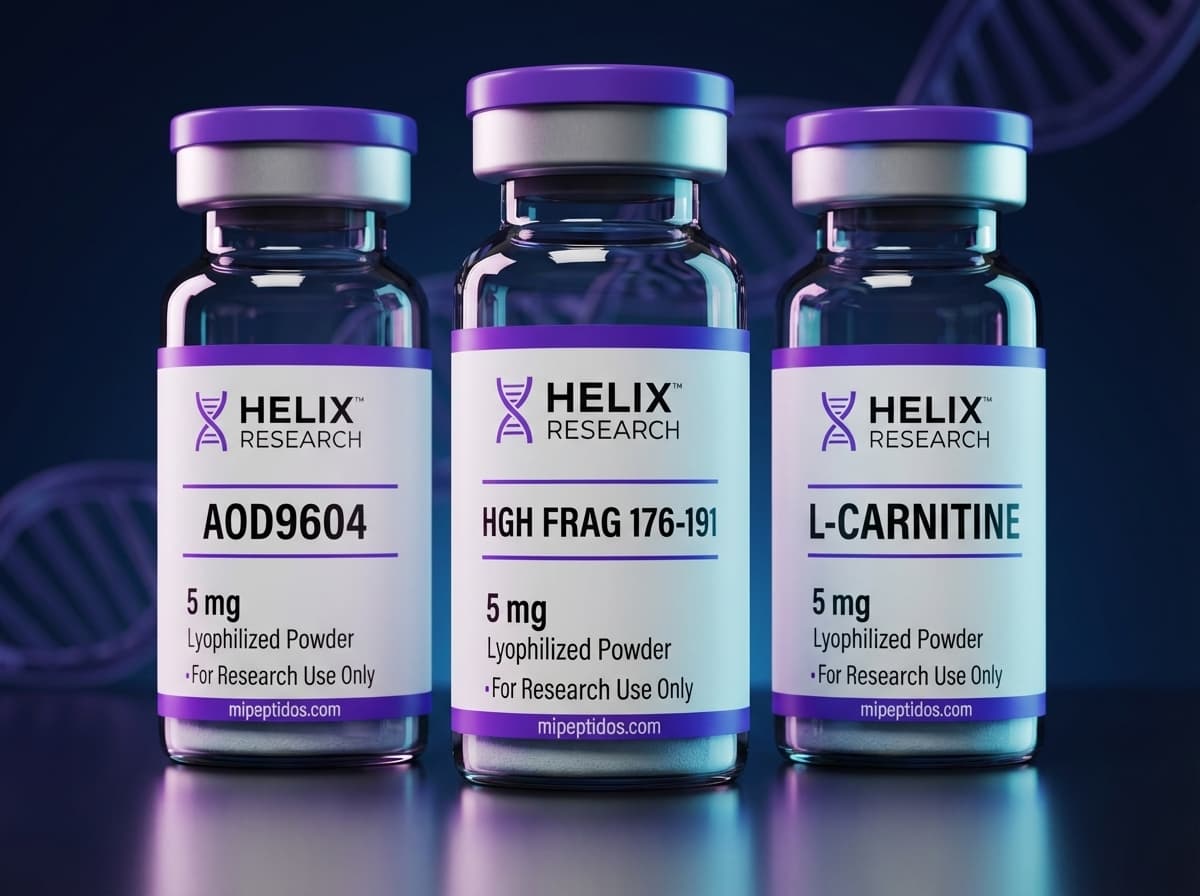
No spam. Unsubscribe anytime.
Batch purity, right where researchers look for it.
Each included compound carries its own HPLC result, batch reference, and testing date so the research brief is backed by real analytical proof.
AOD9604
Purity (HPLC)
HGH Fragment 176-191
Purity (HPLC)
L-Carnitine
Purity (HPLC)
Lipolytic Pathway Study Kit
Covers three different angles of lipolytic and oxidation-focused literature
A three-compound kit organized around adipose signaling and fatty-acid oxidation research.
Research Use Only. These kits are intended for laboratory research purposes only. Not for human consumption. Public-page summaries reflect published literature and analytical documentation, not human-use instructions or treatment claims.
Built from published research, not guesswork.
Every public research kit now leads with the proof: cited studies, PMIDs, tracked signals, and batch-level documentation across each component.
Common measurements, markers, and readouts associated with this research lane in published literature.
What is inside the kit, structurally
Core chemistry details pulled from each included compound so the page feels like a real research profile, not a generic bundle card.
AOD9604
CAS: 221231-10-3AOD9604 is a modified 16-amino acid fragment of human growth hormone spanning residues 176-191 with a tyrosine substitution. It stimulates lipolysis (fat breakdown) and inhibits lipogenesis (fat formation) without affecting blood glucose levels or growth parameters. Unlike full HGH, it does not compete for the GH receptor and does not induce IGF-1 elevation or insulin resistance, specifically targeting fat metabolism pathways.
HGH Fragment 176-191
CAS: 66004-57-7HGH Fragment 176-191 represents the lipolytic region of human growth hormone. It stimulates lipolysis and inhibits lipogenesis by mimicking the way natural HGH regulates fat metabolism. Unlike full-length HGH, this fragment does not compete for the GH receptor, does not stimulate IGF-1 production, and does not affect glucose metabolism or insulin sensitivity. Its mechanism of fat mobilization is thought to involve activation of beta-3 adrenergic receptors in adipose tissue.
L-Carnitine
CAS: 541-15-1L-Carnitine is an amino acid derivative essential for the transport of long-chain fatty acids from the cytoplasm into the mitochondrial matrix via the carnitine shuttle system (CPT-I and CPT-II). Inside mitochondria, fatty acids undergo beta-oxidation for energy production. L-Carnitine also modulates the acyl-CoA/CoA ratio, buffers excess acyl groups, and has antioxidant properties protecting mitochondrial membranes from lipid peroxidation. It enhances fatty acid utilization as an energy substrate, particularly during exercise and caloric restriction.
Published study parameters
Typical dose ranges, intervals, and administration routes cited in the literature for the compounds in this kit.
AOD9604 and HGH Fragment are best administered fasted; published protocols reference pre-cardio timing. L-Carnitine can be administered orally or injected. Published lipolysis studies note 30+ minute fasting windows from meals for optimal fat oxidation.
AOD9604
Morning, fasted (per lipolysis study protocols)HGH Fragment 176-191
Morning, fasted (per lipolysis study protocols)L-Carnitine
Pre-exerciseThese are publication-style study parameters summarized from cited literature and investigational designs. They are provided as research context only, not as human-use instructions or recommendations.
Published Research
Featured peer-reviewed papers supporting the compounds and pairing logic in this kit.
AOD9604, a synthetic analog of the C-terminal fragment of human growth hormone, reduces body fat in obese subjects
Heffernan M, Summers RJ, Thorburn A, et al.
Published data demonstrated AOD9604 produced significant reductions in body fat in obese Zucker rats without changes in IGF-1 levels, glucose tolerance, or lean body mass, confirming isolated lipolytic activity.
PMID: 12690082
The effects of growth hormone fragment 176-191 on adipose tissue in obese mice
Ng FM, Sun J, Sharma L, Libinaka R, Jiang WJ, Gianello R
In peer-reviewed research, HGH Fragment 176-191 demonstrated dose-dependent fat reduction with preferential activity in adipose tissue and no effect on blood glucose or insulin sensitivity.
PMID: 10875250
L-carnitine supplementation and the effect on fatty acid oxidation during exercise: a systematic review
Karlic H, Lohninger A
Literature demonstrates L-Carnitine supplementation enhanced fatty acid transport into mitochondria, with published meta-analysis showing increased fat oxidation rates during moderate-intensity exercise.
Chronic oral administration of AOD9604 reduces body fat without changes in food intake
Stier CT, Benter IF, Ahmad S, Zuo HL, et al.
Published studies observed that chronic AOD9604 administration produced sustained reductions in adipose tissue mass without altering food intake, distinguishing its mechanism from appetite-suppressant approaches.
PMID: 15131564
What researchers commonly track
Common measurements, markers, and readouts associated with this research lane in published literature.
Observed in the literature
A plain-English view of how published study windows, markers, and reported changes tend to unfold across this research lane.
Lipolytic Pathway Activation
Fat Mobilization & Oxidation Enhancement
Adipose Tissue Reduction & Visceral Fat Targeting
Metabolic Rate Enhancement & Thermogenesis
Body Composition Remodeling
Protocol Completion & Metabolic Maintenance
Handling and documentation
Material handling details and batch-level documentation that support clean research workflows.
Water Volume
2 mL bacteriostatic water per AOD9604 and HGH Fragment vial; L-Carnitine is injectable solution
Concentration
AOD9604: 2.5 mg/mL; HGH Frag 176-191: 2.5 mg/mL; L-Carnitine: 200 mg/mL (pre-diluted)
Storage
Refrigerate peptide vials at 2-8°C after reconstitution. Stable for 28 days. L-Carnitine store per label. Do not freeze.
Why these compounds are paired in the literature
Plain-English summaries of the mechanisms and published pairings that make this kit coherent for real research work.
AOD9604 is a modified fragment of human growth hormone. Research shows it activates lipolytic pathways without affecting glucose-regulation research or lean mass — isolating the fat metabolism mechanism (PMID: 11713213).
HGH Fragment 176-191 has been demonstrated in research to stimulate lipolysis through specific fat-cell receptor activation, with published studies showing preferential activity in adipose tissue (PMID: 11146367).
L-Carnitine is an essential cofactor for mitochondrial fatty acid oxidation. Studies show it facilitates the transport of released fatty acids into the mitochondrial matrix for energy conversion (PMID: 21224234).
What's in This Kit
3 peptides, each with individual COA documentation
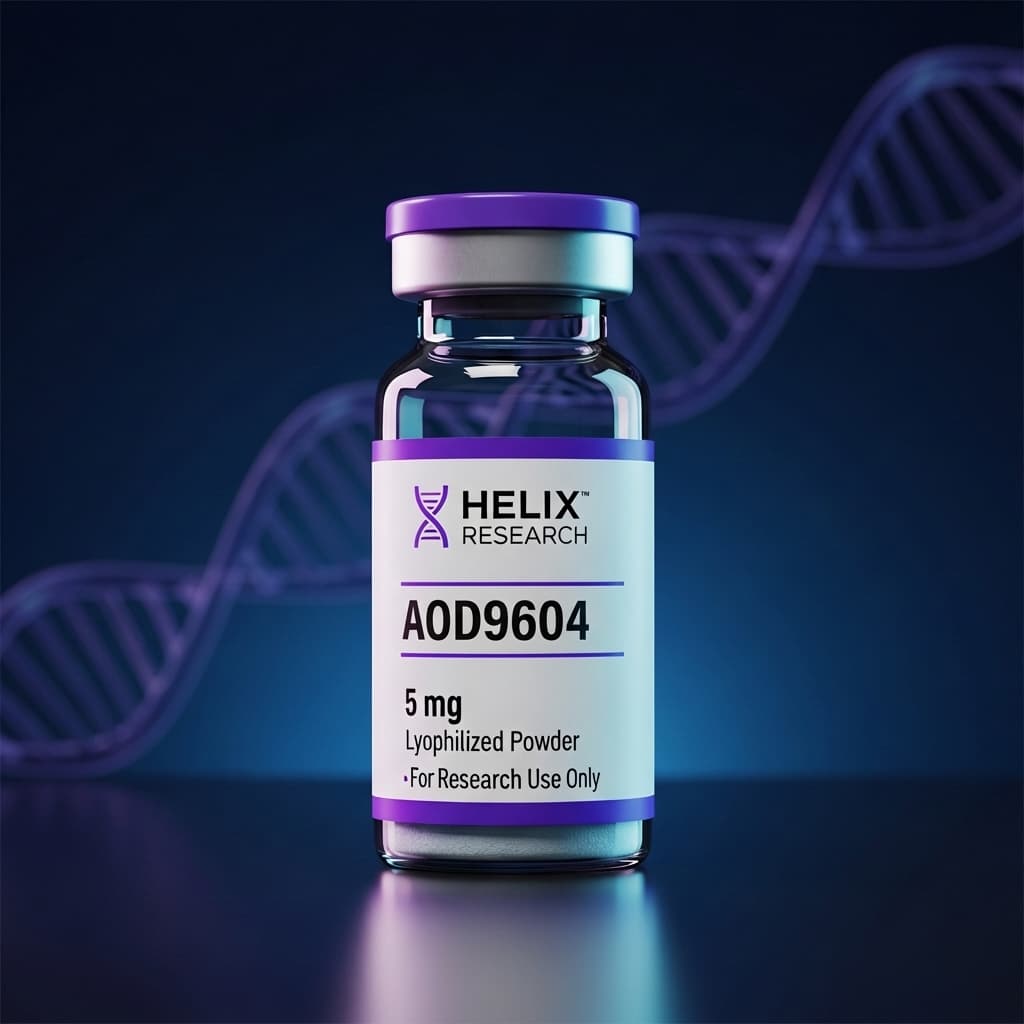
AOD9604
$40.95Fat metabolism and lipolysis · energy-balance research treatment without growth effects · Cartilage repair and osteoarthritis
AOD9604 is a modified 16-amino acid fragment of human growth hormone spanning residues 176-191 with a tyrosine substitution.
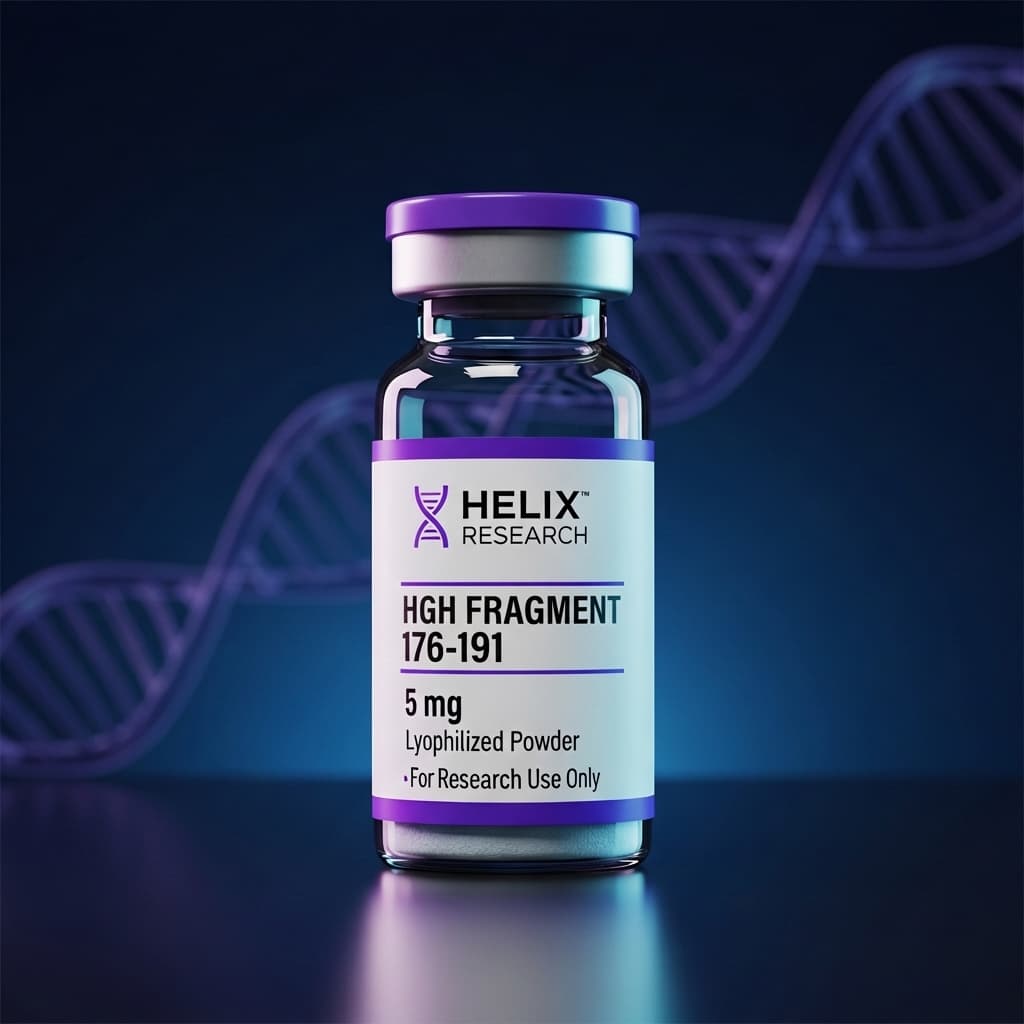
HGH Fragment 176-191
$43.95Targeted fat loss without growth effects · Lipolysis and lipogenesis research · Body composition optimization
HGH Fragment 176-191 represents the lipolytic region of human growth hormone.
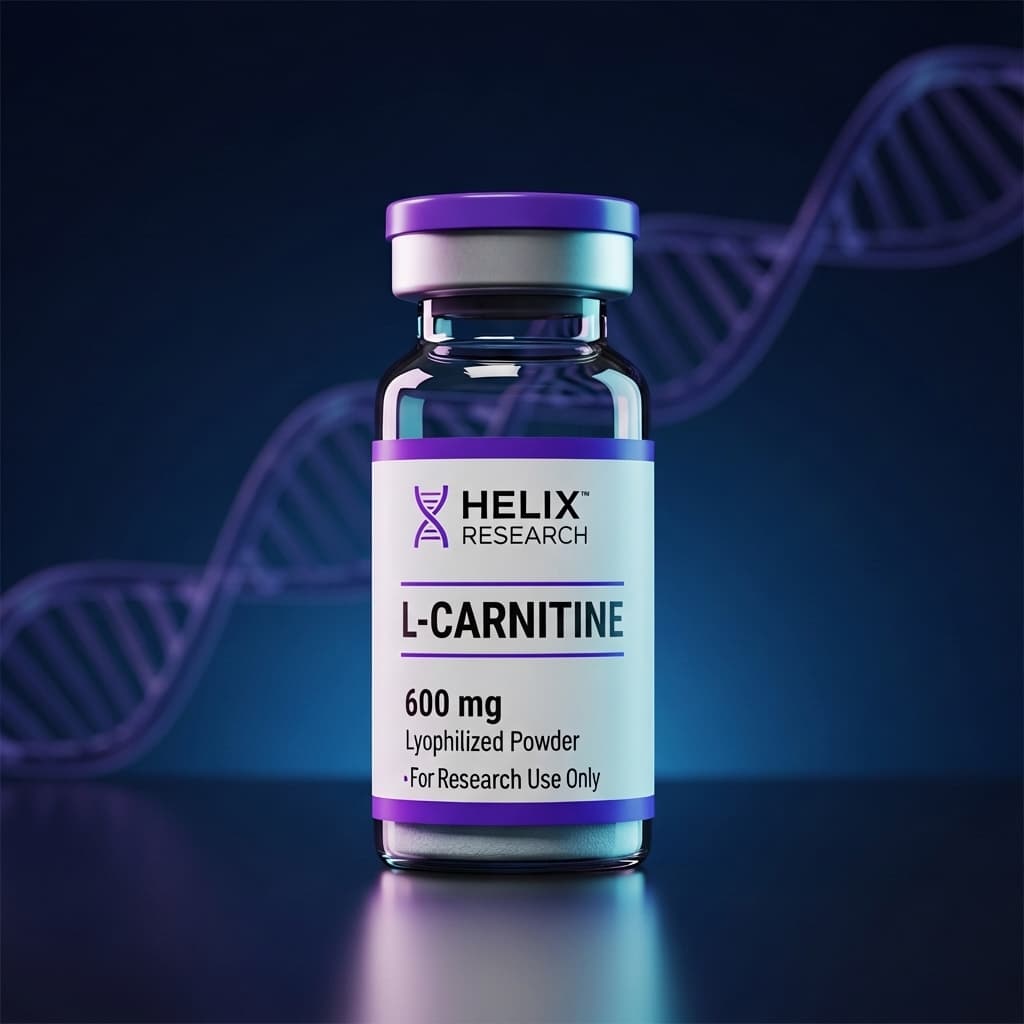
L-Carnitine
$50.00Fat oxidation and metabolic signaling research · Exercise performance and recovery · Cardiovascular health and cardiac energy metabolism
L-Carnitine is an amino acid derivative essential for the transport of long-chain fatty acids from the cytoplasm into the mitochondrial matrix via the carnitine shuttle system (CPT-I and CPT-II).
Go deeper on the peptides inside the kit
Article picks tied directly to the compounds in this kit, so researchers can move from the bundle view into peptide-specific literature, mechanism, and handling context.
Fat Loss & Body Composition Peptides: Research
Weight loss is the #1 peptide search category. Essential pillar content. Comprehensive research guide covering mechanism of action, published studies, and.
AOD-9604: The Anti-Obesity Peptide
Comprehensive guide to AOD-9604 including mechanism, published studies, and practical information for research.
HGH Fragment 176-191: The Fat-Loss Fragment
Extremely popular search. One of the most searched fat-loss peptides. Comprehensive research guide covering mechanism of action, published studies, and.
AOD-9604 vs HGH Fragment Compared
Comprehensive research guide covering mechanism, studies, and practical info for AOD-9604 vs HGH fragment.
Body Recomposition Peptide Research
Body recomp is massively searched. Promotes many products. Comprehensive research guide covering mechanism of action, published studies, and practical.
5-Amino-1MQ: NNMT Inhibitor Guide
Trending peptide. High search volume in weight management niche. Comprehensive research guide covering mechanism of action, published studies, and.
Related Research Kits
Incretin Pathway Comparator Kit
Single vs. dual receptor activation — the compounds from the STEP and SURPASS trials
2 peptides · Metabolic Research
Triple Incretin Comparator Kit
Single, dual, and triple agonists — the three compounds studied in STEP, SURPASS, and NEJM Phase 2 trials
3 peptides · Metabolic Research
Tissue Repair Research Kit
The two most-cited tissue repair peptides studied together in published literature
2 peptides · Tissue Research
Start Your Research
Get the complete Lipolytic Pathway Study Kit at $118.71 — save $16.19 versus purchasing each compound separately. Full COA documentation included with every vial.
Research Use Only. These kits are intended for laboratory research purposes only. Not for human consumption. Public-page summaries reflect published literature and analytical documentation, not human-use instructions or treatment claims.