Sin spam. Cancela en cualquier momento.
Análisis de Pureza HPLC
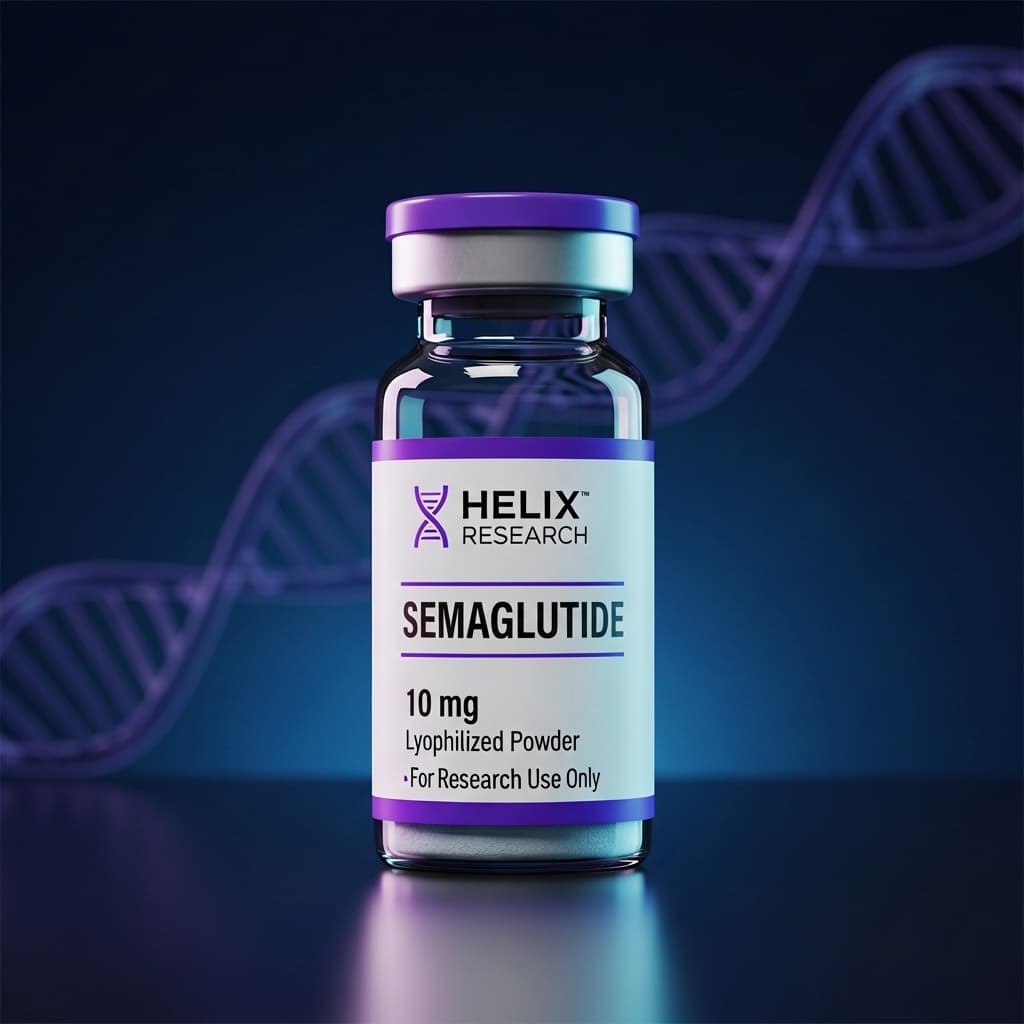
Semaglutide
CAS: 910463-68-2
Estudiado clínicamente para una reducción de peso constante — una vez por semana
Semaglutide es un péptido de investigación en la categoría de GLP-1 / control de peso. Semaglutide es un agonista del receptor GLP-1 que imita el GLP-1 nativo para estimular la secreción de insulina de manera dependiente de glucosa mientras suprime la liberación de glucagón. MiPeptidos ofrece Semaglutide en 6 tamaños con 99.1% de pureza verificada y documentación analítica completa.
- Reducción del apetito y antojos
- Pérdida de peso constante de 0.5-1 kg/semana
- Mejor control del azúcar en sangre
- Apoyo a la salud cardiovascular
Los estudios sugieren una reducción del apetito y menos antojos dentro de las primeras 1-2 semanas con la dosis inicial. Entre las semanas 5-8, a medida que aumenta la dosis, los estudios reportan una pérdida de peso constante de 0.5-1 kg por semana y porciones significativamente más pequeñas resultan satisfactorias. Los resultados completos generalmente se hacen visibles entre las semanas 12-17, con estudios que muestran un promedio de 15-17% de reducción del peso corporal total durante el protocolo completo.
$31.95/vial · Everything you need to start
Sin spam. Cancela en cualquier momento.
Análisis de Pureza HPLC
Transform Your Metabolism.
17-week evidence-based protocol backed by 25,000+ clinical trial participants
Semaglutide is a synthetic glucagon-like peptide-1 (GLP-1) receptor agonist originally developed for type 2 diabetes and later approved for chronic weight management. It is one of the most extensively studied peptides in metabolic medicine, with landmark clinical trials (STEP 1-5, SUSTAIN 1-6, SELECT) enrolling over 25,000 participants and demonstrating consistent 15-17% body weight reduction, significant HbA1c improvements, and a 20% reduction in major cardiovascular events.
Resultados Publicados
Revisado por ParesResultados cuantificables de investigación clínica publicada.
Lo que Dicen los Expertos
4 MédicosProfesionales e investigadores líderes que han estudiado y prescrito este péptido.
Dr. Peter Attia
Physician, Founder of Attia Medical PC
MD from Stanford. Host of 'The Drive,' one of the most influential health podcasts. Author of 'Outlive: The Science and Art of Longevity.' Specialist in longevity medicine.
If you're taking these drugs, really, really pay attention to your protein consumption and your resistance training... that's obviously going to be an important part of being on the right side of that body composition curve.
Emphasizes pairing GLP-1 therapy with high protein intake (1g/lb lean mass) and resistance training to preserve lean mass. Notes tirzepatide may be superior due to dual GIP/GLP-1 targeting. Advocates close metabolic monitoring throughout treatment.
Fuente: The Peter Attia Drive Podcast: AMA #45, AMA #64 (GLP-1 Agonists)
Dr. Caroline Apovian
Co-Director, Center for Weight Management and Wellness, Brigham and Women's Hospital
Professor of Medicine at Harvard Medical School. One of the world's premier obesity medicine researchers. New York Times bestselling author. FACP, FTOS.
We are utilizing as much of the GLP-1 agonists as we can since they are analogs of naturally occurring gut hormones that can be helpful in reducing body weight by up to 20%. The striking reduction in cardiovascular disease mortality is similar to that shown for bariatric surgery.
Advocates aggressive insurance coverage expansion for GLP-1 agonists. Notes that Ozempic and Wegovy are the same drug (semaglutide). Recommends long-term use as obesity is a chronic disease.
Fuente: Brigham Clinical & Research News (2023); TOS SELECT trial commentary
Dr. Fatima Cody Stanford
Obesity Medicine Physician, Massachusetts General Hospital
Associate Professor at Harvard Medical School. Director of scholarly engagement, Nutrition Obesity Research Center at Harvard. Featured on 60 Minutes (Jan 2023). MD, MPH, MPA, MBA.
Obesity is the most significant chronic disease in human history. GLP-1 receptor agonists may slow neurodegenerative disease progression.
Explains GLP-1s work by upregulating the brain pathway that tells us to eat less and store less, and downregulating the pathway that tells us to eat more and store more. Advocates recognizing obesity as a chronic disease requiring long-term pharmacotherapy.
Fuente: Harvard Magazine (Sept 2024); CBS 60 Minutes (Jan 2023)
Dr. Neil Paulvin
Functional & Regenerative Medicine Physician, Manhattan
Known as 'Dr. Peptide.' Specializes in anti-aging, regenerative medicine, and performance optimization. Works with Fortune 500 CEOs and professional athletes.
Right now, they're probably the most studied peptides. They're also probably the strongest. At the same time, they're the most railed against — they get a lot of criticism, which I don't quite understand.
Recommends two or three smaller meals per day while on GLP-1 therapy rather than fasting. Advises using about two-thirds of normal food portions. Emphasizes peptides work better in combination.
Fuente: U.S. News & World Report; Bustle; MindHack Podcast Ep. 92
Protocolo de Dosificación
5 FasesRégimen de dosificación paso a paso compilado de profesionales líderes e investigación clínica.
Starting dose to assess GI tolerability. Nausea is most common in this phase. Take on the same day each week. Can be administered at any time of day, with or without meals.
First dose increase. Meaningful appetite reduction typically begins. Monitor for GI side effects — if severe, remain at this dose for an additional 4 weeks before escalating.
Significant weight loss typically measurable by this phase. This is the maximum approved dose for diabetes (Ozempic). Some research protocols maintain at this dose.
Higher dose for weight management protocols. Continue to monitor tolerability. Ensure adequate protein intake (1g/lb lean mass) and resistance training to preserve muscle.
Target maintenance dose used in STEP trials. STEP 5 showed sustained -15.2% weight loss at 2 years. Long-term use intended — weight regain occurs upon discontinuation.
Research-grade lyophilized semaglutide: reconstitute with bacteriostatic water per supplier instructions. Typical research concentrations vary by supplier. Use insulin syringes for precise dosing. Calculate volume carefully based on concentration.
Unlike most peptides, semaglutide is designed for continuous long-term use — not cycled. STEP 5 demonstrated sustained efficacy at 104 weeks. STEP 4 showed significant weight regain upon discontinuation. If stopping, taper gradually over 4-8 weeks to minimize rebound.
Lyophilized: store at -20°C. Reconstituted: refrigerate at 2-8°C, use within 30 days. Protect from light and heat. Branded pens (Ozempic/Wegovy): refrigerate unused; once in use, room temperature up to 56 days.
Subcutaneous injection only. Rotate injection sites (abdomen, thigh, upper arm). Inject on the same day each week — timing of day does not matter. If a dose is missed, administer within 5 days; if more than 5 days, skip and resume regular schedule.
Cronología de Recuperación
Basado en observaciones de investigación publicada. Los resultados individuales varían. Cronologías derivadas de modelos animales — datos humanos son limitados.
GI Adaptation & Initial Appetite Suppression
- GLP-1 receptor activation begins — glucose-dependent insulin secretion enhanced
- Appetite reduction and early satiety signals from hypothalamic GLP-1R activation
- Gastric emptying slows, contributing to reduced meal size
- Nausea most common in this phase (affects ~40-44% of patients)
- Typical weight loss: 1-3% of body weight
Base de investigación: STEP 1 (Wilding et al., 2021, NEJM, PMID: 33567185)
Dose Escalation & Accelerating Weight Loss
- Progressive dose increases from 0.5mg to 1.0mg enhance metabolic effects
- Fasting glucose and insulin levels measurably improved
- Food cravings and reward-driven eating significantly reduced
- GI side effects typically stabilize as tolerance develops
- Typical weight loss: 5-8% of body weight
Base de investigación: STEP 2 (Davies et al., 2021, Lancet, PMID: 33667417); SUSTAIN-1 (PMID: 28110911)
Target Dose & Peak Metabolic Effect
- Reaching 1.7-2.4mg target dose by weeks 16-17
- HbA1c reductions of 1.5-1.8% in diabetic populations at therapeutic doses
- Visceral fat preferentially reduced (27.4% reduction in STEP 1 substudy)
- Lean-to-fat mass ratio improving despite overall weight loss
- Typical weight loss: 10-12% of body weight
Base de investigación: STEP 1 body composition analysis (Wilding et al., 2021)
Sustained Loss & Metabolic Remodeling
- Weight loss continues to progress through week 60-68
- Mean weight loss reaches 14.9% (STEP 1) to 16.0% (STEP 3 with behavioral therapy)
- 86.4% of patients achieve ≥5% weight loss (STEP 1)
- Cardiovascular risk markers (blood pressure, lipids, CRP) significantly improved
- NASH resolution achieved in 59% at 0.4mg daily dose in hepatic studies
Base de investigación: STEP 1 (PMID: 33567185); STEP 3 (PMID: 33625476); Newsome et al. (2021, NEJM, PMID: 33185364)
Long-Term Maintenance
- STEP 5 confirmed sustained -15.2% weight loss at 104 weeks
- 77.1% maintained ≥5% weight loss at 2 years
- SELECT trial: 20% reduction in MACE events over mean 33 months
- Cardiovascular benefits persist independent of weight loss magnitude
- Discontinuation leads to significant weight regain — ongoing treatment recommended
Base de investigación: STEP 5 (Garvey et al., 2022, Nature Medicine, PMID: 36216945); SELECT (Lincoff et al., 2023, NEJM, PMID: 37952131)
Mecanismo de Acción
6 vías biológicas distintas a través de las cuales opera este péptido.
GLP-1 Receptor Agonism (Pancreatic Beta Cells)
Binds GLP-1 receptors on pancreatic beta cells, triggering cAMP/PKA and EPAC2 signaling cascades that potentiate glucose-dependent insulin secretion.
- Activates adenylyl cyclase → elevated cAMP → PKA and EPAC2 activation
- Insulin secretion is glucose-dependent — minimal hypoglycemia risk as monotherapy
- CREB activation drives insulin gene expression and beta-cell proliferation
- Strong albumin binding gives semaglutide a 7-day half-life (vs minutes for native GLP-1)
Zhao et al. (2024) Signal Transduction and Targeted Therapy; SUSTAIN-6 (PMID: 27633186)
Hypothalamic Appetite & Satiety Regulation
Crosses the blood-brain barrier to act on GLP-1 receptors in the hypothalamus and brainstem, upregulating satiety signals and downregulating hunger drive.
- Upregulates POMC/CART pathway (eat less, store less)
- Downregulates NPY/AgRP pathway (eat more, store more)
- Reduces reward-driven eating via modulation of mesolimbic dopamine signaling
- Dr. Stanford: 'They upregulate the pathway that tells us to eat less and downregulate the pathway that tells us to eat more'
Trapp & Brierley (2022) British J of Pharmacology; Harvard Magazine (2024)
Gastric Emptying Delay
Slows gastric motility, prolonging gastric emptying time and contributing to early satiety and reduced postprandial glucose spikes.
- Delayed gastric emptying reduces postprandial glucose excursions
- Contributes to feelings of fullness after smaller meals
- Primary driver of GI side effects (nausea, vomiting) during dose escalation
- Effect partially attenuates over time — GI tolerance typically improves by weeks 8-12
STEP 1 (PMID: 33567185); Ozempic prescribing information (FDA)
Cardiovascular Protection
Reduces major adverse cardiovascular events through mechanisms that appear independent of — and additive to — weight loss effects.
- SELECT trial: 20% MACE reduction in obese patients without diabetes (HR 0.80)
- SUSTAIN-6: 26% MACE reduction in T2D patients (HR 0.74)
- Reduces systemic inflammation (CRP), blood pressure, and atherogenic lipids
- Direct anti-atherosclerotic effects on vascular endothelium emerging in research
SELECT (PMID: 37952131); SUSTAIN-6 (PMID: 27633186)
Neuroprotective Potential
GLP-1 receptor activation in the brain shows anti-inflammatory, anti-apoptotic, and neurotrophic effects with potential implications for neurodegeneration.
- GLP-1R activation increases CREB → BDNF expression (neuroplasticity, memory)
- Suppresses microglial activation and reduces pro-inflammatory cytokines in brain
- Modulates SIRT1 pathway for autophagy regulation and inflammation reduction
- Animal models show improved motor performance and dopaminergic neuron survival
Frontiers in Neuroscience (2019); Anti-Inflammatory Effects of GLP-1RA review
Hepatoprotective Effects (NAFLD/NASH)
Reduces hepatic steatosis and promotes NASH resolution through combined metabolic improvement and potential direct hepatic effects.
- 59% NASH resolution at semaglutide 0.4mg daily vs 17% placebo
- Significant reduction in liver enzymes (ALT, AST) and liver fat content
- ≥30% reduction in liver fat achieved by significantly more semaglutide patients
- Fibrosis improvement not yet demonstrated — a limitation of current evidence
Newsome et al. (2021) NEJM (PMID: 33185364)
Investigación Publicada
8 estudios revisados por pares de PubMed. Haz clic en cualquier PMID para ver el estudio completo.
Once-Weekly Semaglutide in Adults with Overweight or Obesity
Wilding JPH, Batterham RL, Calanna S, Davies M, Van Gaal LF, Lingvay I, et al. — New England Journal of Medicine (2021)
Hallazgo Clave: STEP 1: Semaglutide 2.4mg produced 14.9% mean weight loss vs 2.4% placebo over 68 weeks (n=1,961). 86.4% achieved ≥5% weight loss.
Semaglutide 2.4 mg once a week in adults with overweight or obesity, and type 2 diabetes (STEP 2)
Davies M, Færch L, Jeppesen OK, Pakseresht A, Pedersen SD, Perreault L, et al. — The Lancet (2021)
Hallazgo Clave: STEP 2: In adults with T2D and obesity, semaglutide 2.4mg produced 9.6% weight loss vs 3.4% placebo over 68 weeks. Lower efficacy than non-diabetic populations.
Effect of Subcutaneous Semaglutide vs Placebo as an Adjunct to Intensive Behavioral Therapy on Body Weight (STEP 3)
Wadden TA, Bailey TS, Billings LK, Davies M, Frias JP, Koroleva A, et al. — JAMA (2021)
Hallazgo Clave: Semaglutide combined with intensive behavioral therapy achieved 16.0% weight loss vs 5.7% placebo — the highest of any STEP trial, demonstrating synergy with lifestyle intervention.
Two-year effects of semaglutide in adults with overweight or obesity: the STEP 5 trial
Garvey WT, Batterham RL, Bhatta M, Buscemi S, Christensen LN, Frias JP, et al. — Nature Medicine (2022)
Hallazgo Clave: Sustained 15.2% weight loss at 104 weeks (2 years) vs 2.6% placebo. 77.1% maintained ≥5% loss. Confirms long-term durability with continued treatment.
Semaglutide and Cardiovascular Outcomes in Patients with Type 2 Diabetes (SUSTAIN-6)
Marso SP, Bain SC, Consoli A, Eliaschewitz FG, Jódar E, Leiter LA, et al. — New England Journal of Medicine (2016)
Hallazgo Clave: SUSTAIN-6: Semaglutide reduced MACE by 26% (HR 0.74, 95% CI 0.58-0.95) in T2D patients at high CV risk. 6.6% vs 8.9% placebo over 2.1 years.
Semaglutide and Cardiovascular Outcomes in Obesity without Diabetes (SELECT)
Lincoff AM, Brown-Frandsen K, Colhoun HM, Deanfield J, Emerson SS, Esbjerg S, et al. — New England Journal of Medicine (2023)
Hallazgo Clave: In 17,604 patients with obesity and CVD (no diabetes), semaglutide 2.4mg reduced MACE by 20% (HR 0.80). First GLP-1 RA to demonstrate CV benefit in non-diabetic obese population.
A Placebo-Controlled Trial of Subcutaneous Semaglutide in Nonalcoholic Steatohepatitis
Newsome PN, Buchholtz K, Cusi K, Linder M, Okanoue T, Ratziu V, et al. — New England Journal of Medicine (2021)
Hallazgo Clave: 59% of patients on semaglutide 0.4mg daily achieved NASH resolution with no worsening of fibrosis vs 17% placebo. Mean 13% weight loss.
Effect of Weekly Subcutaneous Semaglutide vs Daily Liraglutide on Body Weight (STEP 8)
Rubino DM, Greenway FL, Khalid U, O'Neil PM, Rosenstock J, Sørrig R, et al. — JAMA (2022)
Hallazgo Clave: Head-to-head: semaglutide 2.4mg achieved 15.8% weight loss vs 6.4% with liraglutide 3.0mg daily. Semaglutide was 2.5x more effective than its predecessor GLP-1 agonist.
Potencia tu Protocolo de Investigación
4 SinergiasLa investigación sugiere combinar Semaglutide con estos péptidos para mecanismos complementarios.

Tirzepatide targets both GLP-1 and GIP receptors for enhanced metabolic effects that exceed single GLP-1 agonism alone.
Tirzepatide achieved nearly double the weight loss of semaglutide 1.0mg in head-to-head SURPASS-2 trial. Consider as an upgrade pathway if semaglutide response is suboptimal.

AOD-9604 directly stimulates fat cell metabolism through HGH fragment pathways, complementing semaglutide's appetite-mediated weight loss.
Theoretical synergy: semaglutide handles caloric reduction while AOD-9604 may enhance fat breakdown in stubborn areas. Limited clinical evidence for the combination.

BPC-157 provides GI mucosal protection that can mitigate semaglutide's most common side effects: nausea, vomiting, and GI distress.
BPC-157 may reduce GI side effects that cause ~7% of patients to discontinue GLP-1 therapy. A US patent application covers the semaglutide + BPC-157 combination, hypothesizing synergistic physiological responses.

Growth hormone secretagogues help preserve lean muscle mass during the rapid weight loss induced by semaglutide.
Addresses the primary concern of GLP-1 therapy: muscle loss during rapid weight reduction. GH-mediated anabolic signaling counterbalances the catabolic effects of significant caloric deficit.
Especificaciones
Cómo Funciona Semaglutide
Semaglutide is a GLP-1 receptor agonist that mimics native GLP-1 to stimulate insulin secretion in a glucose-dependent manner while suppressing glucagon release. The Aib substitution at position 2 confers resistance to DPP-IV enzymatic degradation, and the C18 fatty diacid chain enables high-affinity albumin binding, extending its half-life substantially. It also acts on hypothalamic appetite centers to reduce food intake and delay gastric emptying.
Aplicaciones de Investigación
Precios
| Tamaño | Por Vial | Paquete de 10 | Ahorro |
|---|---|---|---|
2mg | $80.00 | $680.00 | — |
5mgOferta | $84.95$100.00 | $722.07 | 15% descuento |
10mgOferta | $99.99$140.00 | $849.91 | 29% descuento |
15mgOferta | $105.00$180.00 | $892.50 | 42% descuento |
20mgOferta | $114.95$200.00 | $977.07 | 43% descuento |
50mgMejor ValorOferta | $150.00$300.00 | $1275.00 | 50% descuento |
Precios de paquete de 10 mostrados. Descuentos por volumen para 50+ viales — contáctenos.
Certificado de Análisis
Este COA es una muestra representativa. Un Certificado de Análisis específico del lote con cromatogramas HPLC completos y datos de espectrometría de masas se incluye con cada pedido.
Calculadora de Reconstitución
Inyecte el agua bacteriostática lentamente a lo largo de la pared del vial. Agite suavemente hasta disolver — nunca sacuda. Almacene la solución reconstituida a 2-8°C y use dentro de 30 días.
Reseñas de Clientes
Preguntas Frecuentes
Seguridad y Advertencias
Not FDA-approved in research peptide form
Only branded Ozempic (0.5mg, 1.0mg for diabetes) and Wegovy (2.4mg for obesity) are FDA-approved. Research-grade semaglutide peptide is not approved for human use. Compounded versions face regulatory scrutiny.
Thyroid C-cell tumors (Boxed Warning)
In rodents, semaglutide causes thyroid C-cell tumors at clinically relevant exposures. Human relevance unknown. CONTRAINDICATED in patients with personal or family history of medullary thyroid carcinoma (MTC) or Multiple Endocrine Neoplasia syndrome type 2 (MEN 2).
Pancreatitis risk
Acute pancreatitis, including fatal hemorrhagic and necrotizing forms, has been observed with GLP-1 receptor agonists. Discontinue immediately if persistent severe abdominal pain occurs. Do not restart after confirmed pancreatitis.
Solo para Fines de Investigación y Educación. No es consejo médico. No para consumo humano. Consulte a un médico autorizado antes de tomar cualquier decisión relacionada con la salud.
Péptidos Relacionados
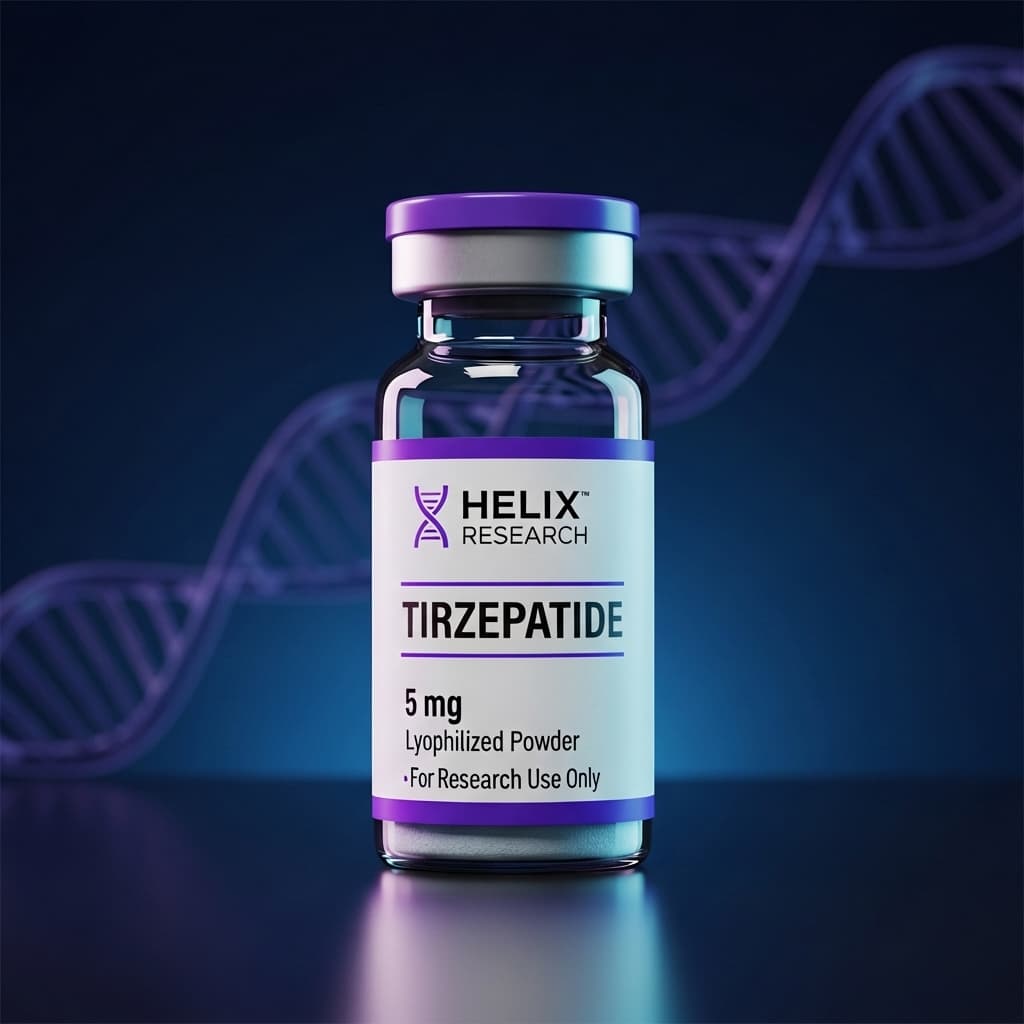
Up to 60% OffTirzepatide
El agonista dual más estudiado para la reducción de peso
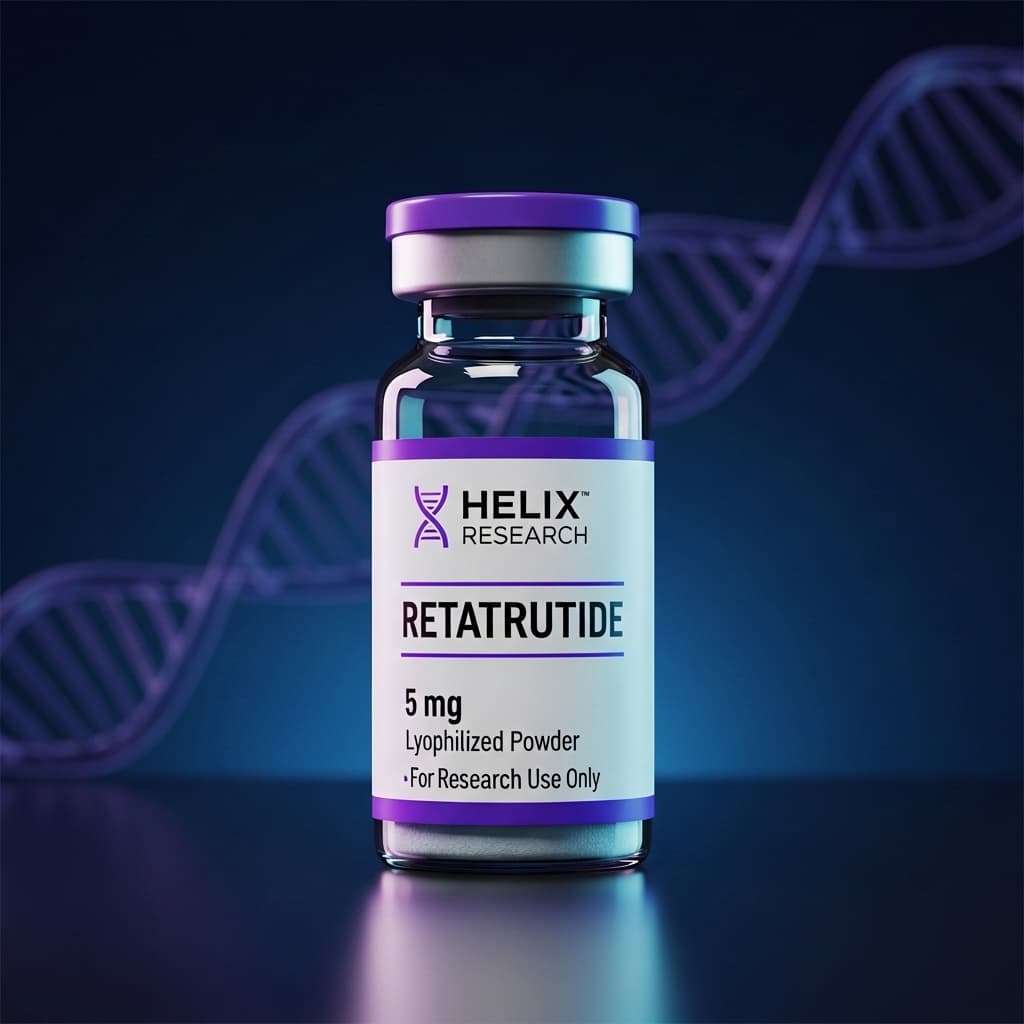
Up to 42% OffRetatrutide
Agonista de triple receptor estudiado para una actividad metabólica mejorada
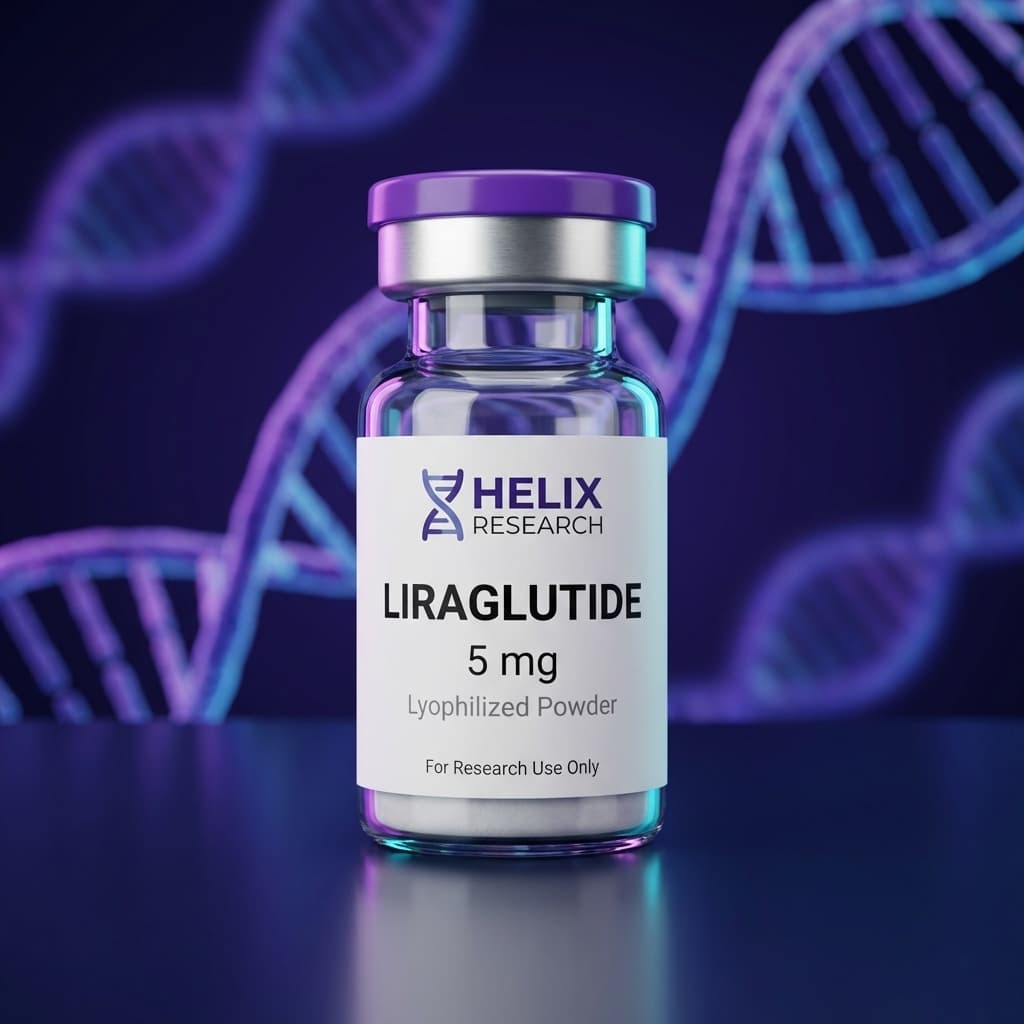
Up to 38% OffLiraglutide
GLP-1 diario estudiado para la regulación constante del apetito
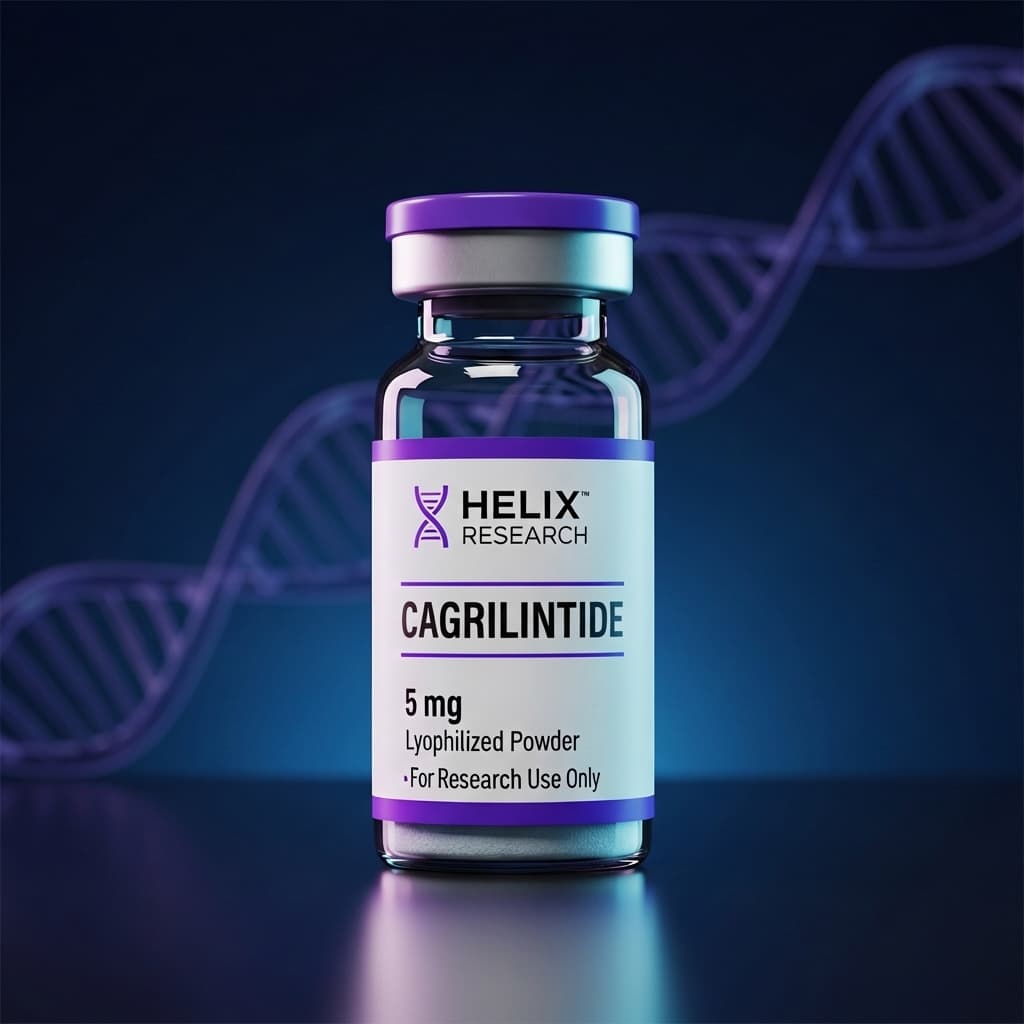
Up to 15% OffCagrilintide
Estudiado para vías de saciedad mediadas por amilina más allá del GLP-1